Introduction
Understanding the size of a 500 square foot apartment can be tricky if you have never measured space in square footage before. While 500 square feet may sound small, it can be surprisingly functional with thoughtful planning. Whether you are renting, buying, or redesigning, knowing how to use every inch efficiently can transform a compact apartment into a cozy, stylish, and highly livable home.
What Does 500 Square Feet Mean in Real Life?
A 500 square foot apartment typically includes one bedroom, one bathroom, a kitchen, and a living area. It is roughly equivalent to the size of a standard one-bedroom apartment in many cities. To visualize, imagine a space measuring 25 feet by 20 feet. It may also be arranged as a rectangular 50 by 10 feet space or in slightly different configurations depending on the building. The key is that the total living area adds up to 500 square feet, including walls, closets, and storage.
Despite being compact, a 500 square foot apartment can feel roomy if designed smartly. Open floor plans, strategic furniture placement, and multifunctional pieces can make it feel much larger than it actually is. The perception of space depends largely on light, furniture, and layout choices.
Typical Layouts for a 500 Square Foot Apartment
Open Concept Layout
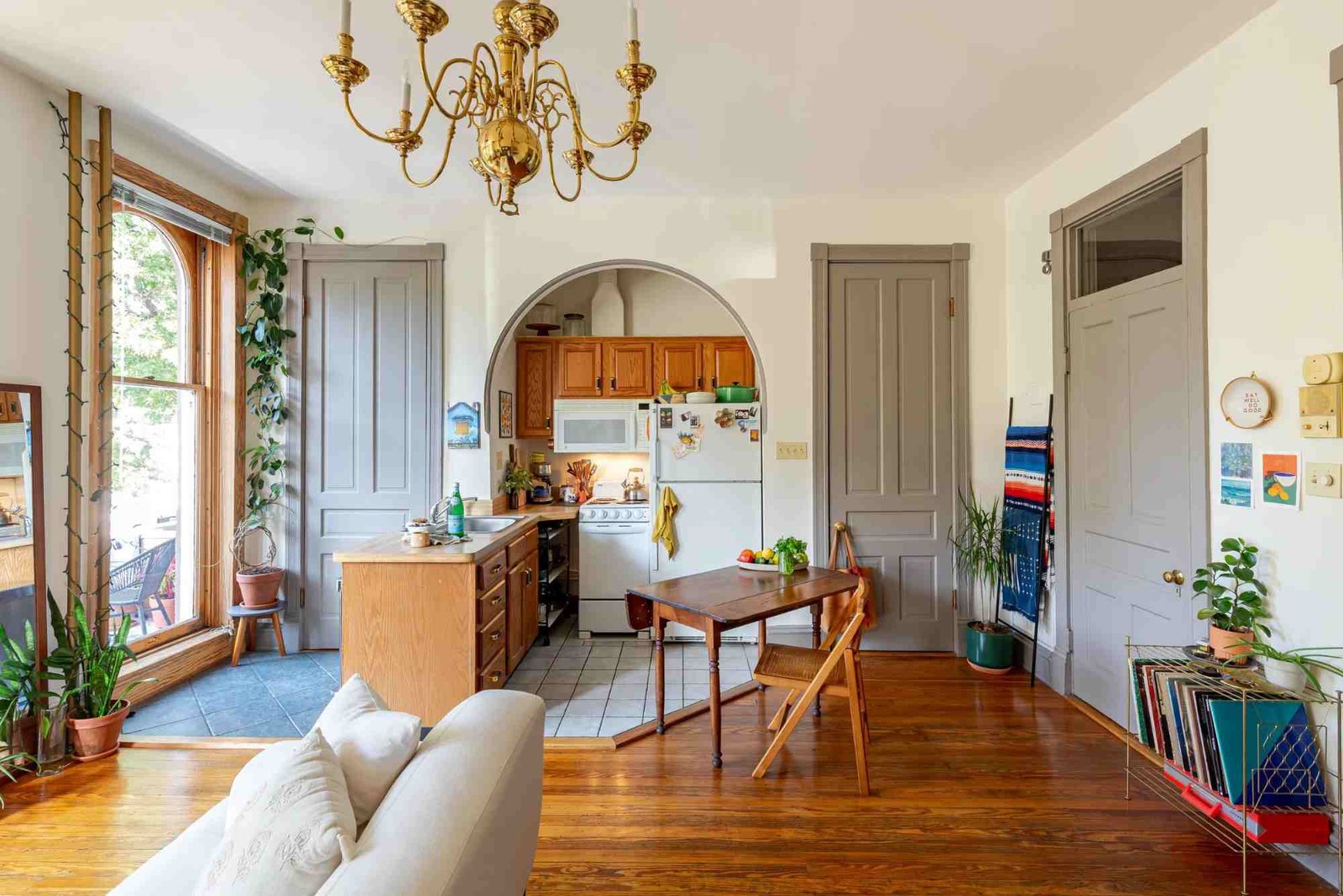
Open concept layouts are ideal for small apartments. In a 500 square foot space, combining the kitchen, dining area, and living room into one open area can make the apartment feel spacious. Using light colors, mirrors, and minimal partitions allows light to flow, creating an airy atmosphere. For instance, a kitchen along one wall with a small island or breakfast bar can double as a dining area. A compact sofa and a foldable table can accommodate guests without crowding the room.
Studio Layout
A studio layout fits naturally into 500 square feet. In a studio, the bedroom, living area, and kitchen share the same space. Clever use of furniture, like a Murphy bed or a sofa bed, helps differentiate zones without walls. Room dividers, shelving units, or curtains can create visual separation, giving the illusion of multiple rooms. In many urban apartments, studios are favored because they maximize space efficiency while keeping costs lower.
One-Bedroom Layout
A traditional one-bedroom apartment within 500 square feet usually places the bedroom in a corner with a small bathroom and a combined kitchen-living area. This setup balances privacy with communal space. Sliding doors or pocket doors can save space compared to standard doors. A small dining nook or bar counter can provide a dedicated eating area while leaving more floor space for movement. The goal is to ensure each area has a purpose without feeling cramped.
Tips to Maximize a 500 Square Foot Apartment
Use Multifunctional Furniture
Choosing furniture that serves multiple purposes is essential in a small apartment. For example, a bed with storage drawers underneath reduces the need for bulky dressers. A sofa that converts into a guest bed adds functionality to the living room. Foldable tables, stackable chairs, and nesting coffee tables allow you to adjust the space depending on your needs. Multifunctional furniture keeps the apartment organized and prevents overcrowding.
Prioritize Vertical Storage
Vertical storage is a game-changer in small apartments. Wall-mounted shelves, tall bookcases, and hanging storage options help keep items off the floor while maximizing usable space. Kitchen cabinets that extend to the ceiling, hooks for hanging pots and utensils, and pegboards for accessories free up counter space and reduce clutter. Using vertical space not only increases storage but also draws the eyes upward, creating a sense of height and openness.
Opt for Light Colors and Reflective Surfaces
Light colors on walls, floors, and furniture can make a small apartment appear larger. Whites, creams, soft grays, and pastels reflect light, brightening the space. Mirrors amplify natural light and give the illusion of more square footage. Glass or acrylic furniture maintains openness while still being functional. Avoid dark colors on large surfaces, as they can make the apartment feel cramped.
Define Zones Without Walls
In 500 square feet, creating distinct functional zones helps the apartment feel more organized. Rugs can delineate a living area from a dining or sleeping space. Open shelving units or low partitions provide separation without blocking light or airflow. Using lighting strategically, like floor lamps or pendant lights over a dining area, also helps define zones subtly. This approach keeps the space flexible while maintaining visual clarity.
Keep the Space Uncluttered
Clutter can make a small apartment feel even smaller. Regularly decluttering and using smart storage solutions ensures the apartment remains functional and visually appealing. Storage ottomans, under-bed bins, and hidden compartments allow you to store items without sacrificing aesthetics. Minimalism does not mean you cannot have personality—decorate with a few statement pieces while keeping surfaces clean.
Real-Life Examples of 500 Square Foot Apartments
A typical 500 square foot one-bedroom apartment may have a bedroom measuring 10 by 12 feet, a living-dining area of 15 by 12 feet, and a compact kitchen of 8 by 10 feet. Bathrooms are often around 5 by 8 feet. In a studio layout, the living and sleeping space may occupy 20 by 25 feet, leaving room for a small kitchen and bathroom. Many city apartments in New York, San Francisco, or Chicago fall into this size range, proving that small spaces can be stylish, functional, and comfortable.
Furniture Arrangement Examples
In a living area, placing the sofa against the longest wall frees up walking space and allows a small coffee table in the center. Adding a wall-mounted TV or projector screen avoids bulky furniture. In the bedroom, a loft bed or bed with drawers underneath maximizes storage. Placing the dining table near the kitchen or using a fold-down wall-mounted table saves space. Multipurpose corners, like a small work-from-home desk tucked into a nook, make every inch count.
Decor and Lighting Strategies
Decor should enhance space rather than overwhelm it. Mirrors, artwork, and light-colored curtains open up the apartment visually. Use a mix of overhead lighting, floor lamps, and task lighting to create layers without crowding surfaces. Curtains hung close to the ceiling rather than the window frame make the ceilings appear taller. Plants and small decorative accents can add warmth without consuming much space.
A 500 square foot apartment may seem small at first glance, but with thoughtful layout choices, multifunctional furniture, and smart design strategies, it can become a comfortable and stylish living space. Open concepts, studio or one-bedroom configurations, and vertical storage solutions make the apartment feel larger than it is. Light colors, mirrors, and clutter management enhance the perception of space. By understanding how big 500 square feet truly is and planning strategically, residents can enjoy a functional and aesthetically pleasing home.
Whether you are moving into your first apartment or downsizing, a 500 square foot space can be more than adequate. With creativity and planning, every square foot counts. Start experimenting with layouts, furniture, and design ideas today to make the most of your compact apartment. A 500 square foot apartment offers a compact but manageable living space when designed thoughtfully. Embrace multifunctional furniture, clever layouts, and smart decor choices to maximize comfort. Start planning your apartment today and turn every square foot into a stylish, functional home.
FAQs
How many rooms are in a 500 square foot apartment?
A typical 500 square foot apartment has one bedroom, one bathroom, a kitchen, and a living area, though studio layouts combine living and sleeping areas.
Can a 500 square foot apartment feel spacious?
Yes, open layouts, multifunctional furniture, vertical storage, and light colors can make a 500 square foot apartment feel roomy and comfortable.
What furniture works best in a 500 square foot apartment?
Opt for multifunctional furniture like sofa beds, storage beds, foldable tables, and wall-mounted shelves to maximize space efficiency.
Is 500 square feet enough for two people?
It can work for two people with careful planning, shared storage solutions, and efficient use of space, but it may feel tight without organization.
How can I make a 500 square foot apartment look bigger?
Use light colors, mirrors, vertical storage, uncluttered spaces, open layouts, and proper lighting to create a sense of openness and height.