Introduction
Renting an apartment in Dubai can be an exciting step, whether you are moving for work, study, or lifestyle reasons. Dubai’s property market is dynamic, offering a variety of apartments ranging from luxurious high-rises to affordable community flats. However, the rental process in Dubai differs from other countries, requiring careful preparation and understanding of the local rules. Knowing what documents are required, how deposits work, and how to navigate rental contracts will help you avoid complications and ensure a smooth experience.
Understanding Dubai’s Rental Market
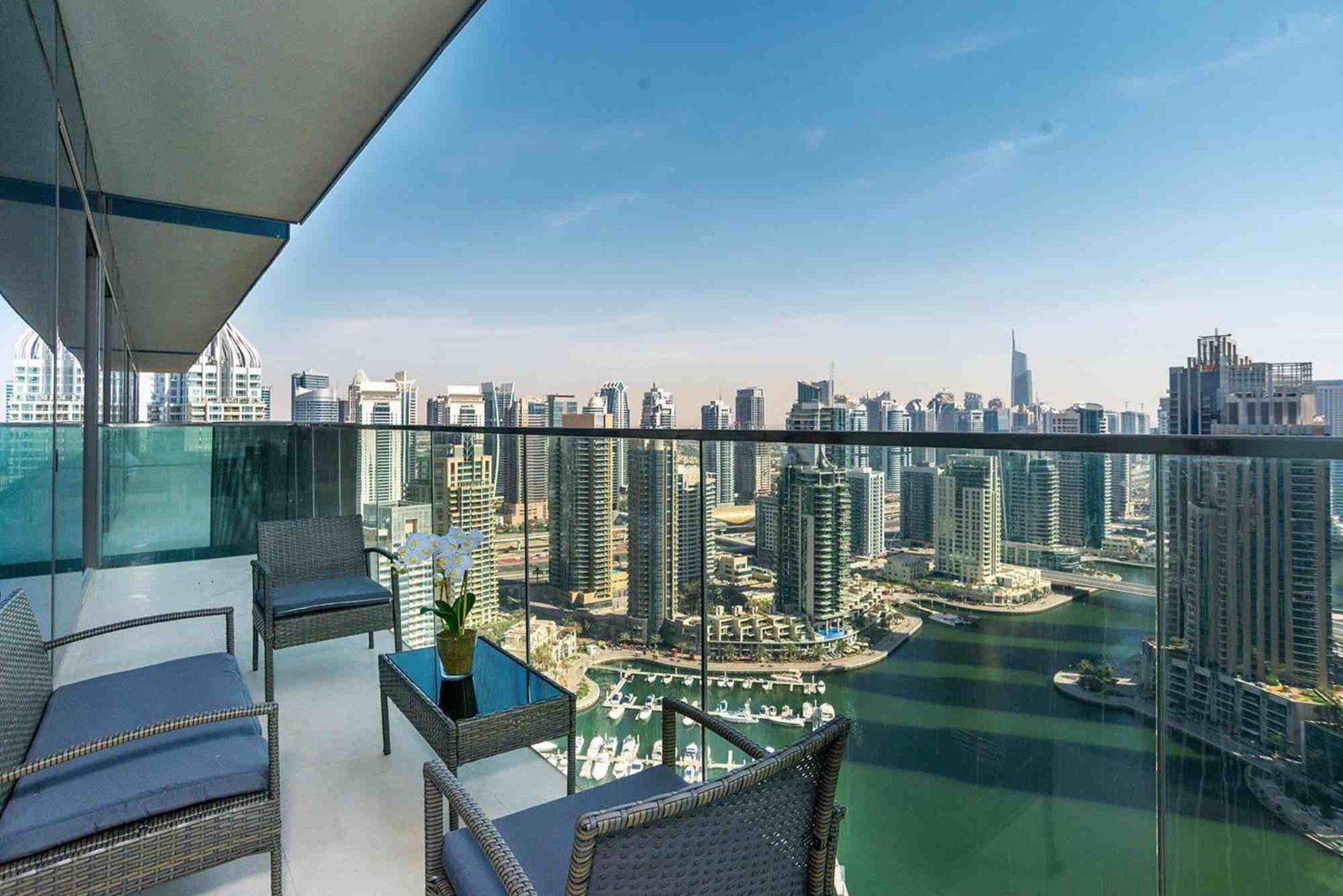
Dubai has a structured and well-regulated rental market. Apartments are available across various neighborhoods, each offering unique advantages in terms of amenities, transportation, and lifestyle. Popular areas like Downtown Dubai, Dubai Marina, Jumeirah Lake Towers, and Business Bay attract professionals and expatriates, while communities such as Al Barsha and Jumeirah Village Circle offer more budget-friendly options. The rental prices vary based on location, building type, apartment size, and facilities such as swimming pools, gyms, and security services. It is important to research neighborhoods carefully to find an apartment that aligns with your lifestyle and budget.
Documents Required to Rent an Apartment
Renting an apartment in Dubai requires specific documentation to comply with legal and administrative requirements. For expatriates, the most important document is a valid residency visa. Landlords and real estate agencies will usually ask for your Emirates ID, passport copy, and visa page to verify your legal status in the UAE. Additionally, proof of income or employment, such as a salary certificate or a bank statement, may be requested to ensure that you can afford the rent. In some cases, references from previous landlords can also be helpful. Tenants should ensure all documents are up to date and accurate, as incomplete paperwork can delay the rental process.
Understanding Security Deposits
Security deposits are a standard part of renting an apartment in Dubai. Typically, landlords require a security deposit equivalent to five percent of the annual rent for unfurnished apartments and ten percent for furnished ones. This deposit serves as protection against property damage or unpaid rent. It is refundable at the end of the tenancy, provided there are no damages or outstanding bills. When handing over the deposit, it is important to get a receipt and have a clear understanding of the conditions under which the deposit can be partially or fully retained. Being proactive about inspecting the apartment and documenting its condition can help avoid disputes when moving out.
Rental Payment Methods
In Dubai, rent is commonly paid through post-dated cheques, which are issued for the full year of tenancy. While some landlords accept monthly or quarterly payments, post-dated cheques remain the preferred method. Digital payment options and bank transfers are increasingly accepted, offering convenience and security. Tenants should ensure that they understand the payment schedule outlined in the rental contract. It is also essential to retain copies of all payment records for future reference, as these documents serve as proof in case of any disagreement regarding payments.
The Rental Contract
The rental contract, known locally as a tenancy agreement, is a legal document binding both the landlord and tenant. The agreement specifies the apartment details, monthly rent, payment terms, duration of tenancy, and responsibilities of both parties. Most residential leases in Dubai are signed for a period of one year, with automatic renewal options available upon mutual consent. Contracts should be carefully read and understood before signing, particularly regarding maintenance obligations, early termination clauses, and penalties. Dubai’s Real Estate Regulatory Agency (RERA) provides a standardized rental contract template to ensure fairness and clarity. Tenants should also check whether the contract includes any provisions regarding rent increases, as the Dubai Rental Law governs allowable adjustments.
Ejari Registration
After signing the tenancy contract, registering it with Ejari is mandatory. Ejari is an online system run by RERA to regulate and authenticate tenancy contracts in Dubai. Registration ensures legal recognition of the rental agreement, which is required for obtaining utility connections, visas, and other official services. The process involves submitting the signed contract, tenant and landlord identification documents, and payment of a nominal registration fee. Once registered, tenants receive an Ejari certificate, providing legal protection for both parties. It is highly recommended to complete this step immediately after signing the contract.
Utilities and Service Charges
Renting an apartment in Dubai involves additional costs beyond monthly rent. Utilities such as electricity, water, and cooling are billed separately, and tenants are responsible for arranging these accounts. DEWA (Dubai Electricity and Water Authority) is the primary provider, and bills are usually issued monthly. Some apartments include maintenance or service charges in the rent, while others require tenants to pay directly to the management company. Understanding the breakdown of these costs upfront prevents unexpected expenses and helps in budgeting.
Tips for Choosing the Right Apartment
When selecting an apartment, consider factors such as proximity to work, schools, public transport, and shopping areas. Inspect the property personally, checking for structural issues, plumbing, air conditioning, and electrical systems. Understanding the community rules and amenities offered, such as security, gym access, and parking, can significantly impact your living experience. Engaging with reputable real estate agents can simplify the process, as they have access to verified listings and can guide you through the documentation and contract requirements.
Negotiating Rent and Terms
Negotiation is a common practice in Dubai’s rental market. Landlords may be open to adjusting the rent, especially during low-demand periods or for long-term tenants. Tenants can also negotiate payment terms, maintenance responsibilities, or inclusion of certain utilities. Approach negotiations respectfully and with a clear understanding of market rates, as this can result in better deals and mutually beneficial agreements.
Renting an apartment in Dubai requires careful preparation, from understanding the local rental market to completing the necessary documentation. Ensuring that you have all required papers, understanding deposit requirements, signing a clear tenancy contract, and registering with Ejari will protect your interests and make the rental process smooth. By conducting thorough research and planning your budget for rent, utilities, and service charges, you can enjoy a hassle-free living experience in Dubai. Start your apartment search today and secure a comfortable home in this vibrant city.
Looking to rent your next apartment hassle-free? Our comprehensive guide covers everything from application tips to screening processes and lease agreements. Make your renting experience smooth and informed by checking out this detailed apartment rental guide here.
Discover a wide range of services and solutions tailored to your needs at Finders.ae. From expert advice to innovative tools, our platform makes finding the right options easy and efficient. Explore now and see how we can help you achieve your goals:
FAQs
What documents are needed to rent an apartment in Dubai?
You need a valid residency visa, Emirates ID, passport copy, proof of income, and sometimes previous landlord references.
How much is the security deposit for renting in Dubai?
Typically, five percent of annual rent for unfurnished apartments and ten percent for furnished units.
Can I pay rent monthly instead of yearly in Dubai?
Some landlords accept monthly or quarterly payments, but post-dated cheques for the year are most common.
What is Ejari, and why is it important?
Ejari is a system to register rental contracts with RERA, providing legal recognition and protecting tenants’ rights.
Are utilities included in Dubai rent?
Utilities like water, electricity, and cooling are usually billed separately unless specified in the contract.
Can I negotiate the rent in Dubai?
Yes, landlords may agree to adjust rent or terms, especially for long-term leases or off-peak seasons.
How long is a typical rental contract in Dubai?
Most tenancy agreements are for one year, with options to renew after mutual consent.
Do I need to inspect the apartment before renting?
Yes, inspecting the apartment ensures you understand its condition and prevents disputes later.