
Introduction
The Netherlands has long been a magnet for investors, expatriates, and property seekers alike. With its thriving economy, excellent quality of life, and rich cultural heritage, owning property in this European gem offers both lifestyle benefits and investment opportunities. From vibrant Amsterdam apartments to serene countryside homes, the Dutch real estate market caters to diverse tastes and budgets. In this guide, we’ll explore everything you need to know about Netherlands property for sale, including the types of properties available, key locations, market trends, buying tips, and frequently asked questions.
Why Invest in Netherlands Property?
Investing in Dutch real estate is more than buying a home; it’s an opportunity to secure a valuable asset in a stable, well-regulated market.
Strong Economic Stability
The Netherlands boasts a resilient economy, with low unemployment rates and a high standard of living. Cities like Amsterdam, Rotterdam, and The Hague offer robust job markets, attracting both locals and international professionals. Property values in these areas have shown steady growth over the past decade, making real estate a reliable investment.
Attractive Rental Market
Amsterdam, in particular, has a booming rental market due to high demand from students, expatriates, and short-term visitors. Investors can benefit from consistent rental income, especially in centrally located apartments.
Lifestyle and Culture
The Dutch lifestyle emphasizes work-life balance, excellent healthcare, and world-class education. Living in cities like Amsterdam means access to cultural events, art museums, historic architecture, and vibrant nightlife, while rural areas provide peaceful retreats surrounded by canals, windmills, and scenic landscapes.
Types of Netherlands Property for Sale
The Dutch property market offers a diverse range of options, from modern city apartments to historic townhouses and countryside estates.


Amsterdam Apartments
Amsterdam apartments are highly sought-after due to the city’s popularity among expatriates and tourists.
Studio and One-Bedroom Apartments
Ideal for young professionals or singles, these compact units offer convenience and affordability. They are usually located near public transport hubs and city centers.
Luxury Apartments
High-end apartments in Amsterdam feature modern amenities, panoramic canal views, and proximity to cultural landmarks. These properties attract investors looking for long-term appreciation and premium rental income.
Canal Houses
Historic canal houses, often converted into multi-unit apartments, are a signature of Amsterdam’s architecture. They offer a unique blend of history, charm, and modern comfort, making them highly desirable.
Dutch Homes Outside Amsterdam
For buyers seeking more space, quieter surroundings, or family-friendly environments, properties outside Amsterdam are excellent options.
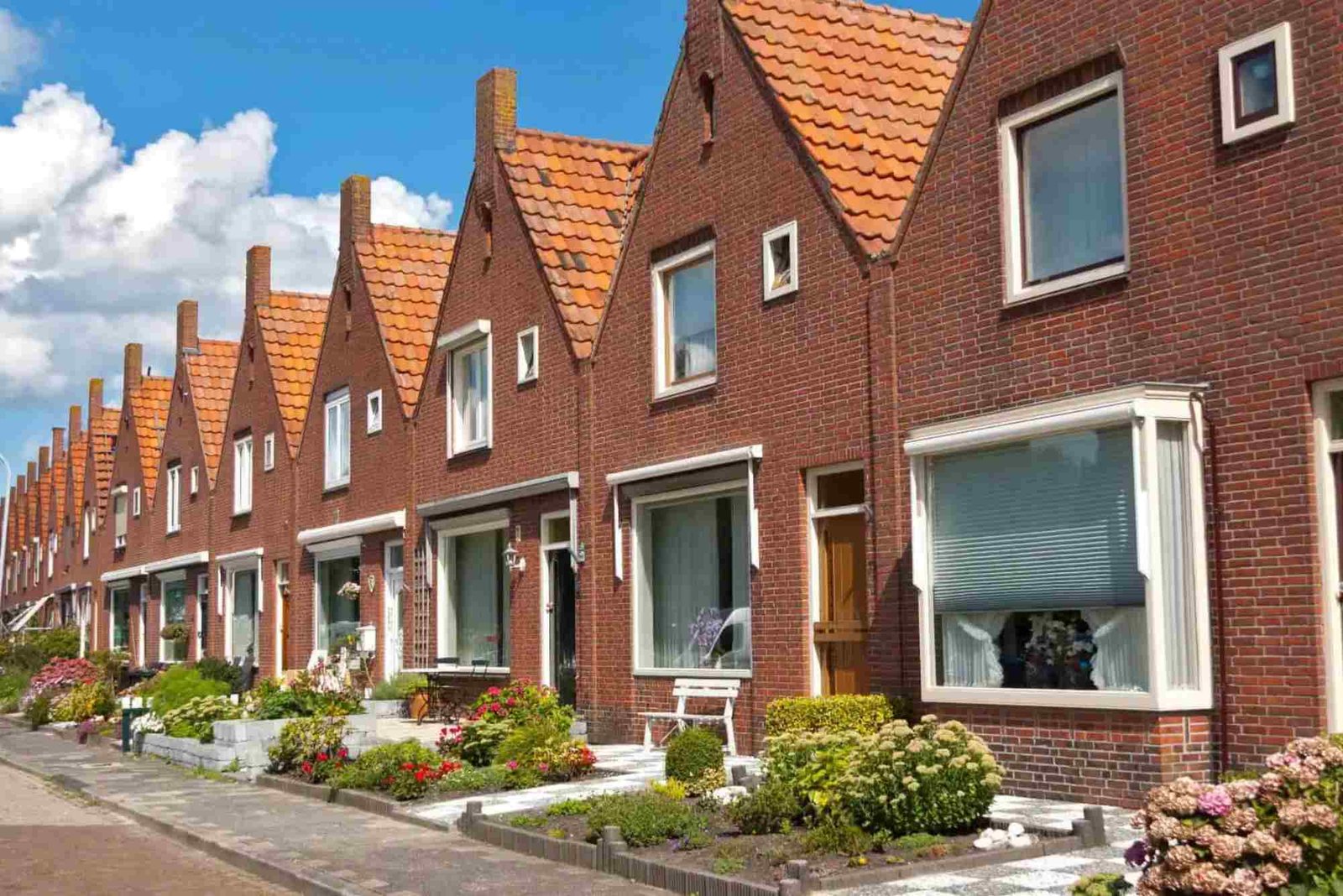
Townhouses and Row Houses
Common in cities like Utrecht and Haarlem, these homes offer more square footage than typical city apartments while maintaining accessibility to urban amenities.
Detached Houses
Detached homes in suburban or rural areas provide privacy, gardens, and larger living spaces. Cities like Eindhoven and Maastricht have a variety of modern detached homes suitable for families.
Farmhouses and Country Estates
For those who dream of countryside living, Dutch farmhouses and estates offer scenic landscapes, traditional architecture, and opportunities for agricultural or recreational use.
Key Locations to Consider
Choosing the right location is critical when investing in Netherlands property.
Amsterdam
The capital city is the hub of business, culture, and tourism. Neighborhoods like Jordaan, De Pijp, and Oud Zuid offer a mix of luxury apartments, historic homes, and vibrant street life.
Rotterdam
Known for its modern architecture and bustling port, Rotterdam offers more affordable property options compared to Amsterdam. Its contemporary apartments and waterfront developments appeal to both investors and residents.
The Hague
The political heart of the Netherlands, The Hague is ideal for professionals working in government or international organizations. It offers elegant townhouses, coastal apartments, and a strong rental market.
Utrecht and Haarlem
Both cities provide a perfect balance of city life and calm residential areas. Utrecht is renowned for its canals and historic city center, while Haarlem offers charming streets, boutique shops, and proximity to beaches.
Navigating the Buying Process
Buying property in the Netherlands requires careful planning, knowledge of regulations, and often, professional guidance.
Understanding the Legal Framework
Non-residents are allowed to purchase property in the Netherlands, but it is essential to understand tax implications, ownership laws, and mortgage options.
Financing Your Purchase
Dutch banks provide mortgages to foreign buyers, but eligibility depends on factors such as income, residency status, and credit history. Many buyers also consider investment mortgages for rental properties.
Working with Real Estate Agents
Local agents provide insights into market trends, property valuations, and negotiation strategies. Choosing a reputable agent ensures smoother transactions and helps avoid potential pitfalls.
Conducting Inspections
Properties, especially older ones, require thorough inspections. Checking structural integrity, plumbing, insulation, and energy efficiency can prevent unexpected costs after purchase.
Market Trends to Watch
The Netherlands property market has unique dynamics that buyers should monitor:
Rising Property Prices
Property values, particularly in Amsterdam, have consistently risen due to high demand and limited supply. Long-term buyers and investors can benefit from this trend.
Sustainability Focus
Dutch buyers increasingly prioritize energy-efficient and sustainable homes. Properties with solar panels, insulation, and modern heating systems tend to retain value and attract environmentally conscious tenants.
Urban Renewal Projects
Cities like Amsterdam and Rotterdam are undergoing redevelopment and infrastructure improvements, opening opportunities for new constructions and profitable investments in emerging neighborhoods.
Tips for Buying Netherlands Property
- Research neighborhoods thoroughly: Consider lifestyle, commute, and amenities.
- Understand total costs: Factor in taxes, notary fees, and potential renovation expenses.
- Work with professionals: Use lawyers, agents, and mortgage advisors familiar with Dutch property law.
- Plan for rental opportunities: High-demand areas can generate consistent rental income.
- Consider long-term value: Focus on location, property quality, and market trends.
Start Your Netherlands Property Journey
Investing in Netherlands property offers both lifestyle advantages and financial opportunities. Whether you’re drawn to a stylish Amsterdam apartment, a charming canal house, or a peaceful countryside estate, careful planning and informed decisions are key. Begin by exploring listings, consulting local agents, and understanding the legal framework to secure your dream Dutch property.
FAQs
Can non-residents buy property in the Netherlands?
Yes, non-residents can purchase property. Legal and tax guidance is recommended.
What is the average price of an apartment in Amsterdam?
Prices vary widely, but one-bedroom apartments typically range from €300,000 to €600,000, depending on location and amenities.
Are Dutch homes energy-efficient?
Modern homes are built with energy efficiency in mind. Older properties may require upgrades such as insulation, double-glazing, or solar panels.
How long does the buying process take?
The process usually takes 8–12 weeks, including mortgage approval, inspections, and notarization.
Is it better to buy in Amsterdam or other cities?
Amsterdam offers high demand and rental potential but comes at a premium price. Other cities like Rotterdam, Utrecht, and The Hague provide more affordable options with growth potential.