Can You Install Solar Panels in an Apartment? Options for Renters and Owners
Installing solar panels in an apartment might seem impossible, but there are actually several ways both renters and owners can tap into solar energy. While traditional rooftop solar systems are usually reserved for single-family homes, apartments present unique challenges and opportunities. Understanding the options and legal considerations can help you reduce energy bills, support clean energy, and even increase property value.
Understanding Solar Power for Apartments
Solar energy converts sunlight into electricity using photovoltaic (PV) panels. For apartments, space constraints and shared ownership can complicate installation, but modern solutions make it possible. Apartment residents can either install panels on their unit’s accessible roof space or participate in community solar programs. Knowing the pros and cons of each approach helps determine the best fit for your situation.


Options for Apartment Owners
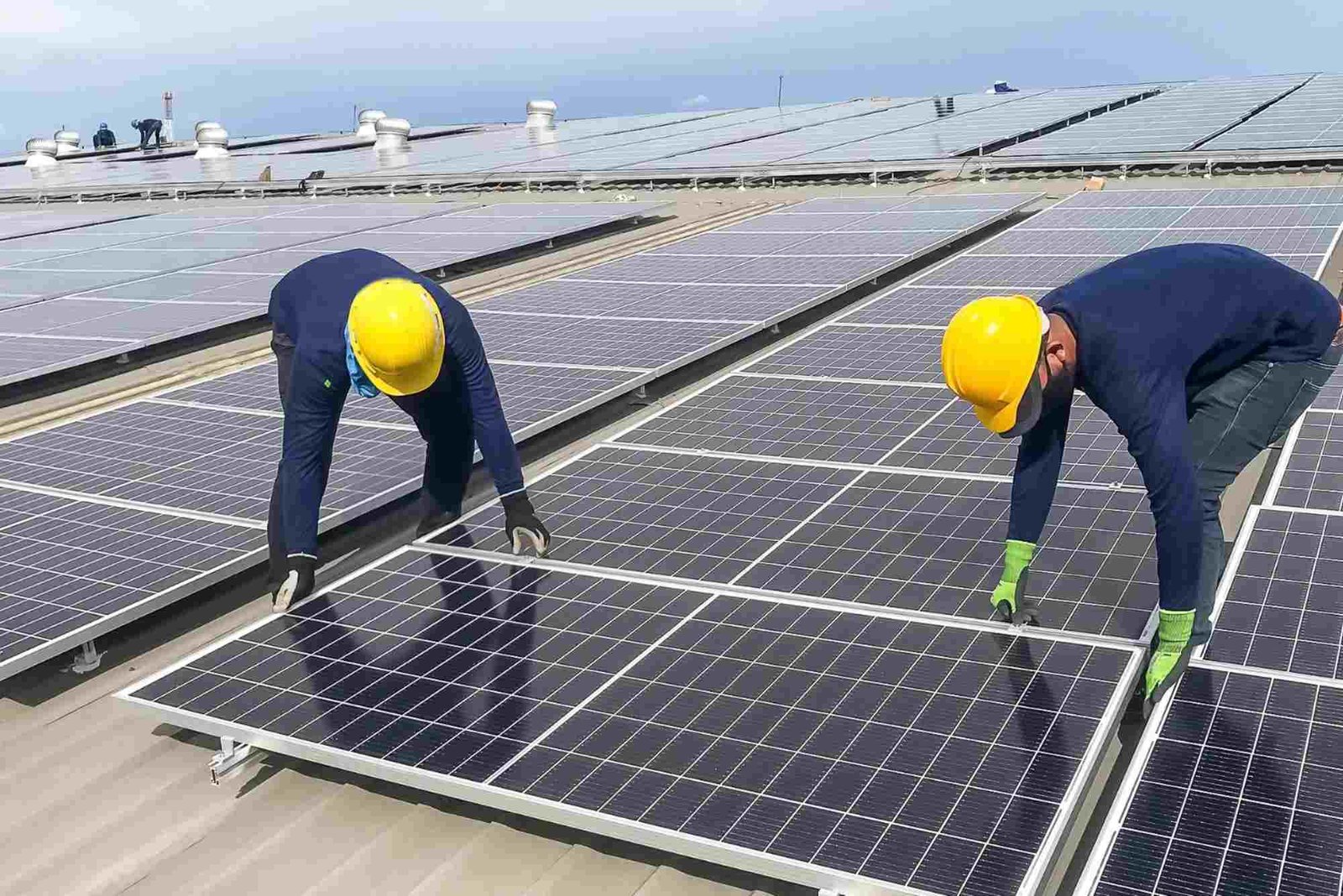
Apartment owners who control the building’s roof have the most flexibility. Installing solar panels on a shared roof can significantly reduce electricity costs for multiple units. Owners can choose to cover installation costs upfront or explore financing options, such as solar loans or leases, which spread payments over time. Panels can be connected to the building’s electrical system or used with individual smart meters to track unit-specific consumption. Apartment owners may also benefit from local incentives, tax credits, and rebates, making the investment more affordable.
H3 Benefits of Solar Panels for Owners
Solar panels provide apartment owners with long-term financial advantages. By generating their own electricity, owners can lower utility bills and reduce dependence on the grid. Over time, these savings can offset installation costs and even increase the building’s market value. Solar panels also appeal to environmentally conscious tenants, which may improve occupancy rates. Additionally, using solar energy contributes to reduced carbon emissions, supporting sustainability goals and enhancing the building’s reputation.
Options for Renters
Renters typically cannot install panels directly on the apartment roof. However, there are creative alternatives. Community solar programs allow multiple participants to buy or lease a portion of a shared solar installation. Participants receive credits on their energy bills based on the energy produced by their share. Portable solar devices, such as balcony or window-mounted panels, can also generate electricity for small appliances. Some landlords may be open to cooperative arrangements where tenants and owners share installation and energy savings.
How Community Solar Works
Community solar projects provide a subscription model where multiple participants invest in a single large solar installation. Each participant receives a portion of the generated electricity, reflected as credits on their utility bill. This model allows renters to access solar energy without modifying their apartment or obtaining special permits. Participants benefit from the same environmental and financial advantages as direct solar users while supporting local clean energy initiatives.
Portable and Balcony Solar Solutions
Portable solar panels are small, lightweight, and easy to install on balconies or near windows. These panels can power small appliances, charge batteries, or supplement electricity use. While they don’t replace full energy consumption, they offer a practical entry point for renters interested in renewable energy. Portable panels are also convenient for temporary living arrangements, allowing renters to take their system with them when moving.
Legal and Regulatory Considerations
Before installing solar panels in an apartment, it is crucial to check local laws, building codes, and HOA regulations. Some cities have solar access laws that protect the right to install solar panels, while others may require permits or approvals. For shared buildings, owner consent is essential, and tenant-landlord agreements should clearly outline responsibilities and benefits. Understanding local incentives and tax credits can also maximize financial returns and avoid unexpected costs.
Permits and Approvals
Installing solar panels often requires permits from municipal authorities. Permits ensure safety, compliance with electrical codes, and structural integrity of the building. Apartment owners should work with licensed solar installers familiar with local regulations to navigate the process smoothly. Tenants participating in community solar or using portable panels generally face fewer legal hurdles, but confirming local rules is still recommended.
Tax Incentives and Rebates
Many governments and utility providers offer incentives to encourage solar adoption. Apartment owners may qualify for federal tax credits, state rebates, or utility-based incentive programs. Renters participating in community solar projects may also benefit indirectly through reduced energy bills or subscription discounts. Researching available programs ensures maximum savings and a quicker return on investment.
Challenges of Apartment Solar Installations
Despite the options, installing solar panels in apartments comes with challenges. Roof access may be limited, and shared electrical systems complicate meter readings and billing. Building orientation, shading, and structural limitations can affect panel efficiency. For renters, the inability to modify the property and reliance on owner consent are significant barriers. Addressing these challenges requires careful planning, collaboration, and creative solutions.
Maximizing Efficiency in Apartments
To maximize solar efficiency, apartment owners should conduct a professional site assessment to evaluate sunlight exposure and roof capacity. Choosing high-efficiency panels, optimizing placement, and installing smart inverters can increase electricity generation. For renters, selecting community solar programs with high production rates and minimal fees ensures better returns. Energy conservation measures, such as LED lighting and efficient appliances, complement solar investments for greater savings.
Environmental and Financial Impact
Adopting solar energy in apartments benefits both the environment and finances. Solar power reduces greenhouse gas emissions, decreases reliance on fossil fuels, and supports sustainable energy growth. Financially, apartments that integrate solar energy experience lower electricity bills, potential tax savings, and higher property values. Even small contributions through portable panels or community solar programs make a meaningful difference over time.
Long-Term Savings
Solar panels have a lifespan of 25–30 years, offering long-term savings for apartment owners and tenants participating in shared solar projects. Initial costs may seem high, but incentives, energy bill reductions, and potential resale value gains often outweigh the investment. The predictable energy costs also provide protection against future utility rate increases, making solar an attractive, stable investment for apartments.
Installing solar panels in an apartment is possible for both owners and renters, though the approaches differ. Apartment owners can utilize rooftop installations and benefit from long-term savings, while renters can explore community solar programs or portable panel solutions. Understanding legal requirements, incentives, and installation options ensures the best results. Embracing solar energy not only reduces costs but also contributes to a sustainable future. Explore the available options today and take the first step toward cleaner, smarter energy for your apartment.
Struggling to rent after past issues? Discover practical tips on how to get an apartment with an eviction on record and improve your chances. From preparing your rental history to securing references, learn the strategies that landlords value most. Read more here: how to get an apartment with an eviction on record.
Looking for reliable resources and expert guidance on real estate, rentals, and property solutions? Visit our comprehensive platform at Finders to explore the latest listings, helpful tips, and in-depth insights. Your next property decision starts here with trusted advice and updated information.”
FAQ Section
Can renters install solar panels on their apartment balcony?
Yes, renters can use portable or balcony-mounted solar panels to power small devices or supplement energy use without modifying the building.
Do apartment owners need permits to install solar panels?
Yes, rooftop solar installations usually require permits to ensure safety, structural integrity, and compliance with local building codes.
What is a community solar program?
Community solar allows multiple participants to share a single solar installation, receiving energy credits on their bills proportional to their investment.
Are there financial incentives for solar in apartments?
Apartment owners may qualify for tax credits, rebates, and utility incentives. Renters benefit indirectly through reduced bills or discounted community solar subscriptions.
Can solar panels increase apartment property value?
Yes, solar-equipped apartments often see higher resale value and appeal to environmentally conscious buyers or tenants.