
Introduction
The market for Scotland church property for sale has become increasingly popular among investors, developers, and individuals seeking unique and character-filled buildings. Across Scotland, many former churches are being released onto the market due to declining congregations and high maintenance costs, creating rare opportunities for conversion projects.
These buildings are often rich in heritage, featuring stone architecture, stained glass windows, and large open interiors that are difficult to find in modern properties. As a result, interest in Scotland church property for sale continues to grow, especially among buyers looking for residential conversions, boutique hospitality projects, or creative commercial spaces.
However, purchasing a church is not a typical real estate transaction. It involves planning permissions, structural assessments, and a clear understanding of heritage regulations. This guide explains everything you need to know before investing in a church conversion in Scotland.
Why Scotland Church Property for Sale Is Increasing
The rise in Scotland church property for sale listings is mainly driven by changes in religious participation and financial sustainability.
Many churches across Scotland are no longer able to support the cost of maintaining large, historic buildings. Heating, roofing, and structural repairs can be extremely expensive, especially for properties that are over a century old.
At the same time, church organizations are restructuring their operations and focusing on fewer active buildings. This has led to the release of surplus properties into the open market.


Another important factor is demographic change. Rural depopulation and urban migration have reduced regular attendance in many areas, leaving buildings underused. As a result, selling these assets becomes a practical decision.
Types of Scotland Church Property for Sale
When exploring Scotland church property for sale, buyers will find a wide range of property types, each with unique characteristics and investment potential.
Rural Churches in Remote Areas
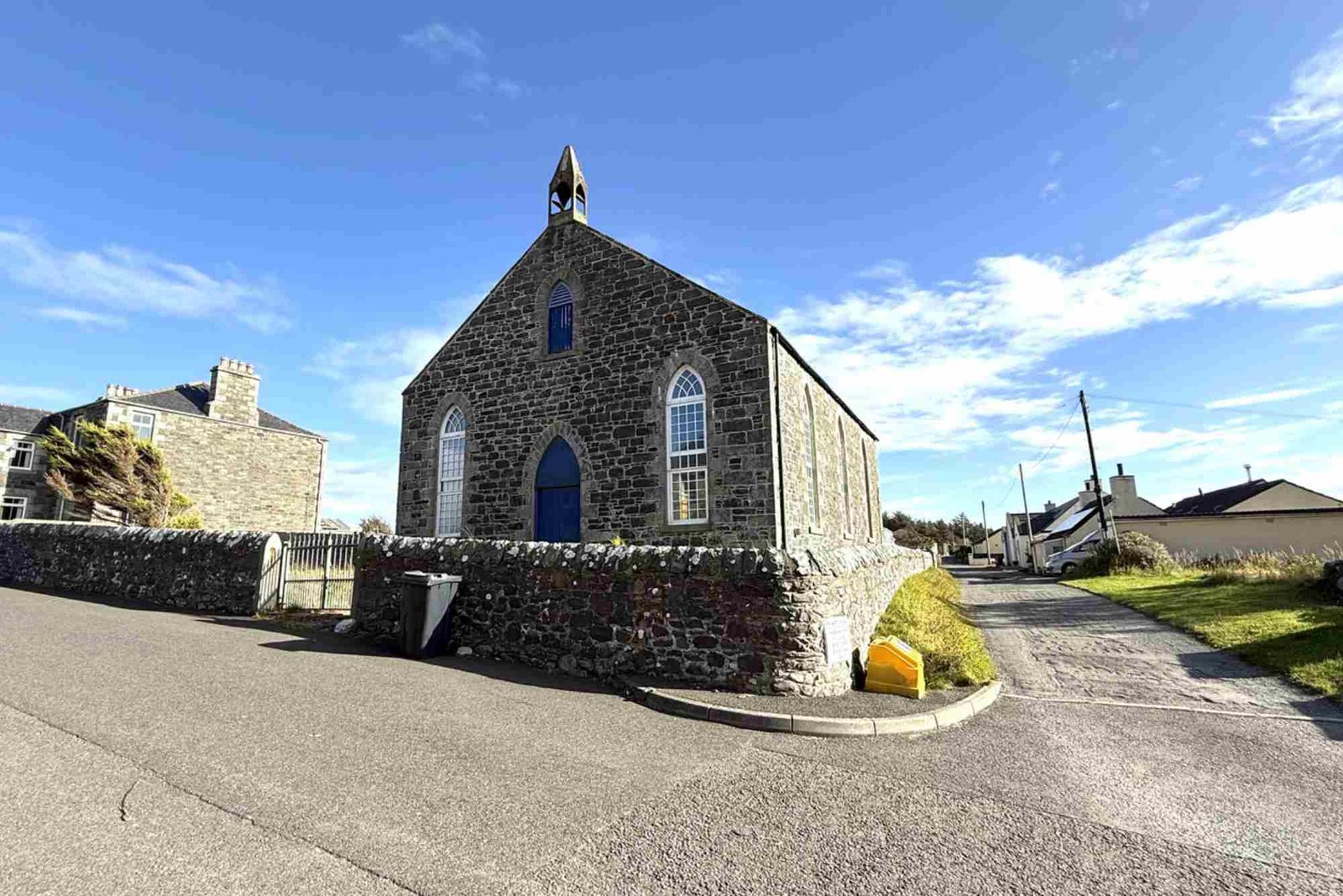
Rural churches are often located in scenic villages, coastal regions, or the Scottish Highlands. These properties are usually more affordable but require significant renovation work.
They are ideal for buyers seeking privacy, tourism projects, or holiday rental conversions. However, access to utilities and infrastructure can sometimes be limited.
Urban Churches in Cities and Towns
Urban church buildings are commonly found in cities like Glasgow, Edinburgh, and Aberdeen. These properties tend to be more expensive due to location advantages.
They offer better access to transport, services, and potential customers if used for commercial purposes. Urban Scotland church property for sale listings are particularly attractive for developers planning apartments, offices, or hospitality venues.
Historic and Listed Churches
Many churches in Scotland are protected as listed buildings due to their architectural or cultural importance. These properties often feature intricate stonework, stained glass, and traditional wooden interiors.
While they offer exceptional character, they also come with strict renovation rules. Any changes must preserve the building’s historic integrity.
Price Range and Market Overview
The cost of Scotland church property for sale varies widely depending on size, condition, and location.
Smaller rural churches in need of renovation may start at relatively low prices, while larger or well-located properties can reach significantly higher values. On average, buyers should expect a broad range that reflects both opportunity and risk.
Lower-priced churches often require full restoration, including structural repairs and interior rebuilding. Mid-range properties may already have basic upgrades but still need conversion work. High-end properties are usually in prime locations or already partially converted.
Buyers should also consider additional costs beyond purchase price, including planning applications, architectural services, and renovation budgets.
Conversion Opportunities for Church Properties
One of the main reasons people search for Scotland church property for sale is the creative potential these buildings offer.
Residential Conversions
Churches can be transformed into stunning private homes with open-plan living spaces, mezzanine levels, and dramatic architectural features. High ceilings and large windows create bright, unique interiors.
Holiday Accommodation and Rentals
Converted churches are highly attractive in the short-term rental market. Tourists often seek unusual stays, making church conversions ideal for Airbnb or boutique holiday lets.
Commercial Use
Some buyers convert churches into cafés, restaurants, art galleries, or event venues. The spacious interiors make them suitable for businesses that require open floor layouts.
Community and Cultural Spaces
In some cases, churches are preserved for community use, becoming libraries, performance spaces, or cultural centers.
Planning Permission and Legal Requirements
Purchasing Scotland church property for sale requires careful attention to legal and planning regulations.
A key requirement is change of use approval. Since most churches are not classified as residential or commercial properties, buyers must apply for planning permission before conversion.
If the building is listed, additional consent is required for any structural or interior modifications. This ensures that historical features are preserved.
It is also important to check property boundaries. In some cases, churchyards or burial grounds may not be included in the sale and remain under separate ownership.
Legal due diligence is essential, as restrictions can significantly affect renovation plans.
Challenges of Church Conversion Projects
While Scotland church property for sale offers exciting opportunities, it also comes with challenges.
Structural issues are common in older buildings. Roof damage, dampness, and stone deterioration often require extensive repair work.
Heating and insulation can also be difficult due to large internal volumes. Without proper planning, energy efficiency can become a major long-term cost.
Another challenge is design complexity. Converting a large open hall into functional living or working spaces requires skilled architectural planning.
Budget overruns are also common, especially in heritage buildings where unexpected issues may arise during renovation.
Benefits of Investing in Church Property
Despite the challenges, there are strong advantages to purchasing Scotland church property for sale.
These buildings offer unmatched architectural character that cannot be replicated in modern construction. Features like vaulted ceilings, stone columns, and stained glass add long-term value.
There is also strong investment potential. Well-executed conversions often increase property value significantly due to their uniqueness and desirability.
Additionally, buyers enjoy creative freedom. Unlike standard homes, churches offer flexible layouts that can be adapted into highly personalized spaces.
Risks to Consider Before Buying
Investing in Scotland church property for sale is not without risks.
Renovation costs can be unpredictable and may exceed initial estimates. Older buildings often reveal hidden structural problems once work begins.
Planning permission delays can also slow down projects significantly, especially for listed buildings.
Resale demand is another consideration. While unique, converted churches appeal to a niche market, which can affect future selling timelines.
Proper research and financial planning are essential before committing to a purchase.
Tips for Buying a Church in Scotland
Anyone interested in Scotland church property for sale should follow several important steps before making a decision.
A full structural survey should always be carried out to assess the condition of the building. This helps identify potential repair costs early.
Working with architects experienced in heritage and conversion projects is highly recommended. Their expertise can help navigate planning restrictions.
Buyers should also carefully review planning history and any previous applications related to the property.
Finally, budgeting should include a significant contingency fund for unexpected renovation costs.
The growing interest in Scotland church property for sale reflects a wider trend toward unique and character-driven real estate investments. These historic buildings offer exceptional architectural beauty and strong conversion potential, making them attractive to both homeowners and developers.
Saxton Mee Property for Sale – Sheffield & Peak District Homes: Discover premium homes with Saxton Mee across Sheffield and the Peak District, offering a range of modern apartments, family houses, and countryside properties. Ideal for buyers seeking comfort, investment value, and scenic living in one of the UK’s most desirable property markets today. Contact agents for latest listings now online!!
FAQs
Can you live in a converted church in Scotland?
Yes, but you must obtain planning permission to change the building’s use from religious to residential.
How much does a church cost in Scotland?
Prices vary widely depending on condition and location, ranging from affordable rural buildings to high-value city properties.
Do church properties come with land?
Sometimes they do, but not always. Churchyards or burial grounds may be excluded from the sale.
Is it expensive to convert a church into a house?
Yes, conversion costs can be high due to structural repairs, insulation needs, and heritage requirements.
Are church conversions a good investment?
They can be, especially if well-designed, but they carry higher risk and require careful planning compared to standard properties.