Introduction
Staying comfortable during hot weather starts with knowing how to properly use your apartment air conditioner. Many renters move into a new apartment and feel confused about thermostats, cooling settings, or AC controls. Fortunately, learning how to turn on and use the air conditioner in your apartment is easier than most people think.
Whether your apartment has central air conditioning, a wall-mounted unit, or a window AC system, understanding the basics can improve comfort and lower energy costs. Proper AC use also helps prevent unnecessary maintenance issues and keeps indoor air fresh during summer months.
Understanding the Type of Air Conditioner in Your Apartment
Before turning on your air conditioner, identify the type of cooling system installed in your apartment. Different systems work differently and require specific controls.
Most apartments use one of three common systems. Central air conditioning is controlled through a thermostat on the wall. Window air conditioners fit inside a window frame and have manual or digital controls. Wall-mounted units are fixed into the wall and usually include a remote control or built-in buttons.
How to Turn On Central Air Conditioning in an Apartment
Central air conditioning is common in modern apartments. It cools the entire apartment using vents connected to a central system.
Locate the Thermostat
The thermostat is usually installed on a wall in the living room or hallway. It controls the apartment temperature and cooling settings.


Most thermostats have options such as Cool, Heat, Fan, and Auto. Digital models may include touchscreens and programmable schedules.
Switch the Thermostat to Cool Mode
To start the air conditioner, change the thermostat setting from Off or Heat to Cool. Then adjust the temperature lower than the current room temperature.
For example, if the room is 80°F, set the thermostat to 72°F. The AC system should start within a few seconds.
Adjust the Fan Setting
Most thermostats include Auto and On fan settings. Auto allows the fan to run only while cooling. On keeps the fan running continuously.
Auto is more energy efficient and recommended for most apartments.
Check the Air Vents
After turning on the AC, place your hand near the air vents. Cool air should flow steadily. If airflow feels weak, check whether furniture blocks the vents.
Clean airflow improves cooling performance throughout the apartment.
How to Turn On a Window Air Conditioner
Window air conditioners are popular in smaller apartments and studio units. They are simple to operate and cool single rooms effectively.
Plug In the Unit Safely
Make sure the AC unit is plugged directly into a wall outlet. Avoid extension cords because they can overheat.
Check that the power cord is secure before turning on the system.
Press the Power Button
Most window units include a power button on the front panel or remote control. Press the button to activate the system.
Once powered on, choose the cooling mode and desired temperature.
Select the Right Cooling Setting
Many units include Low Cool, High Cool, Eco Mode, and Fan Only options. Start with High Cool if the room feels very hot.
Later, switch to Eco Mode to reduce electricity usage.
Adjust Air Direction
Most window AC units allow you to direct airflow using adjustable vents. Point the airflow toward the center of the room for even cooling.
This helps reduce hot spots and improves comfort.
How to Use a Wall-Mounted Air Conditioner
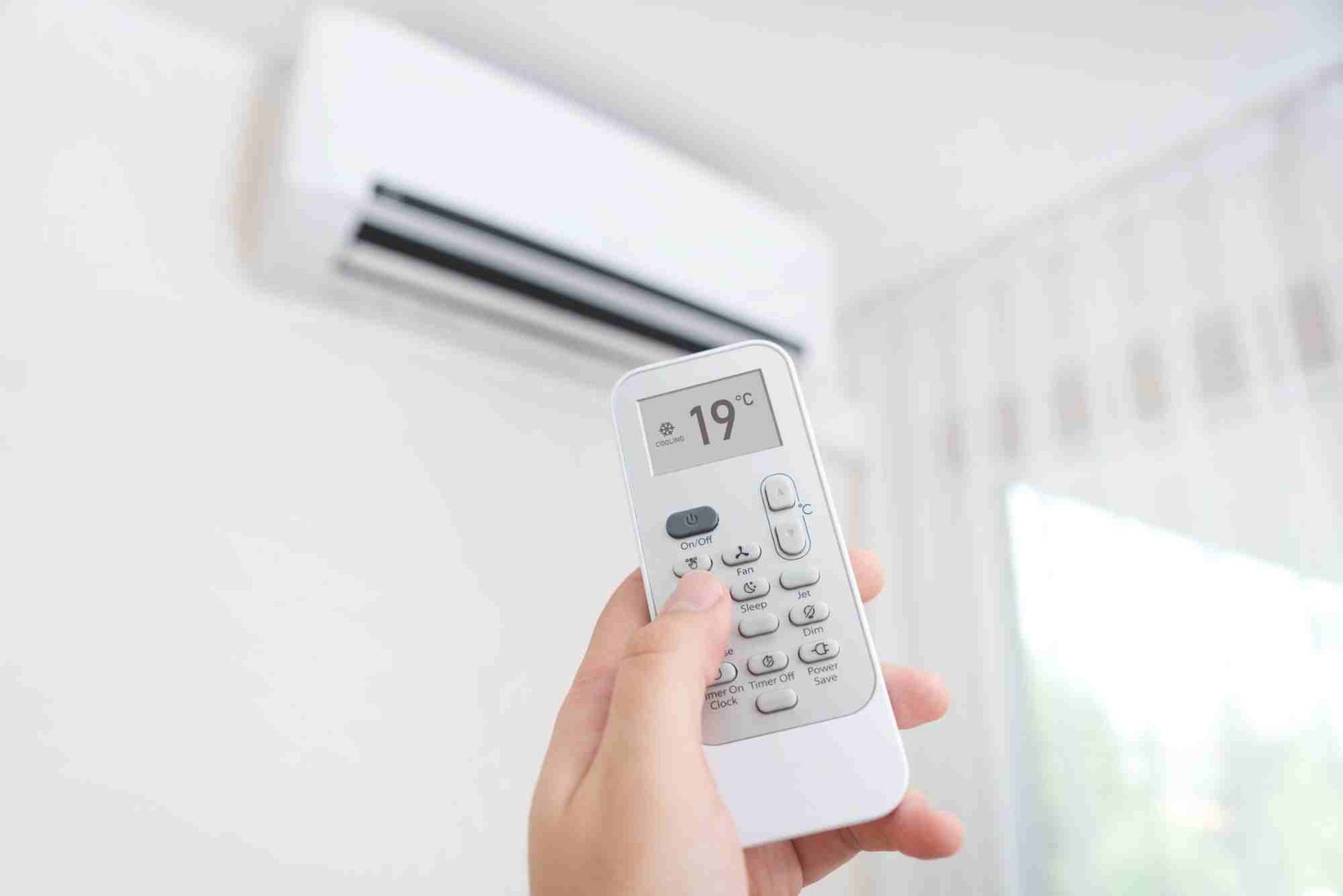
Wall-mounted systems are common in apartments with ductless mini-split technology. These systems are quiet, efficient, and easy to control. Use the remote control to power on the unit. Choose Cool Mode and lower the temperature setting. Most systems cool quickly within minutes.
Many wall-mounted units also include Sleep Mode and Timer functions. These settings improve comfort at night and reduce energy costs. Keep the indoor unit free from dust and avoid blocking airflow with curtains or furniture.
Best Temperature Settings for Apartment Air Conditioning
Finding the right temperature is important for comfort and efficiency. Setting the AC too low increases electricity costs and may strain the system.
Energy experts often recommend 72°F to 78°F during summer. A slightly higher setting saves energy while still keeping the apartment comfortable.
At night, raising the temperature a few degrees can reduce energy consumption. Ceiling fans also help circulate cool air more effectively. If you leave the apartment during the day, increase the thermostat setting before leaving. This prevents unnecessary cooling while the apartment is empty.
How to Improve Air Conditioner Performance in Your Apartment
Sometimes an air conditioner runs constantly without cooling effectively. Simple adjustments can improve performance quickly.
Keep Doors and Windows Closed
Open windows allow hot air to enter the apartment. Always keep windows and doors closed while the AC runs.
This helps the system maintain a stable indoor temperature.
Use Curtains and Blinds
Sunlight increases indoor heat significantly. Closing curtains during the hottest part of the day helps keep rooms cooler.
Blackout curtains work especially well in apartments with direct sunlight.
Clean the Air Filter
Dirty air filters reduce airflow and cooling efficiency. Many apartment AC units have removable filters that should be cleaned regularly.
Wash reusable filters with water and allow them to dry completely before reinstalling.
Avoid Heat-Producing Appliances
Ovens, stoves, and dryers create additional heat. Try using these appliances during cooler evening hours.
Reducing indoor heat helps the air conditioner work more efficiently.
Common Air Conditioner Problems in Apartments
Even well-maintained AC systems can experience problems. Understanding common issues helps you respond quickly.
The AC Does Not Turn On
First, check the thermostat settings or power connection. Make sure the circuit breaker has not tripped.
If the unit still does not work, contact apartment maintenance.
The Air Is Not Cold
Dirty filters, blocked vents, or incorrect thermostat settings often cause weak cooling.
Lower the thermostat temperature and clean the filter before requesting repairs.
The Unit Makes Strange Noises
Buzzing, rattling, or grinding sounds may indicate loose parts or internal damage.
Turn off the system and report the issue to maintenance immediately.
Water Is Leaking From the Unit
Window and wall-mounted units sometimes produce condensation leaks. Check whether the drainage system is blocked.
Persistent leaking should be inspected professionally.
Energy-Saving Tips for Apartment Air Conditioning
Learning how to turn on and use the air conditioner in your apartment efficiently can lower monthly utility bills. Use ceiling fans to improve air circulation. Fans make rooms feel cooler even at slightly higher temperatures. Keep filters clean and schedule maintenance if required by your apartment management. Avoid setting the thermostat extremely low. The AC cools at the same speed regardless of temperature settings.
Use programmable thermostats whenever possible. Automated schedules prevent wasted energy while you sleep or work. You can also seal small air leaks around windows and doors. This prevents cool air from escaping the apartment.
Apartment Air Conditioner Safety Tips
Air conditioner safety is often overlooked by renters. However, simple precautions help prevent electrical issues and system damage. Never overload electrical outlets with multiple appliances. Large AC units require stable electrical connections.
Keep water away from power cords and control panels. Moisture can create electrical hazards. Do not attempt major repairs yourself. Apartment maintenance teams or licensed technicians should handle serious AC problems. If you smell burning odors or notice sparks, turn off the unit immediately and seek professional assistance.
When to Contact Apartment Maintenance
Some air conditioner issues require professional repair. Contact maintenance if the system blows warm air continuously, leaks heavily, or stops working completely. You should also report frozen coils, electrical smells, or loud mechanical noises.
Most apartment leases include maintenance responsibilities for HVAC systems. Reporting problems early may prevent larger repairs later. Take photos or videos of visible issues when submitting maintenance requests. This helps technicians diagnose problems faster.
Why Proper Air Conditioner Use Matters
Looking for trusted local services, businesses, and lifestyle recommendations in the UAE? Finders.ae is a reliable platform that helps users explore top companies, trending services, and useful business information all in one place. Whether you need home services, shopping guides, or professional solutions, visit to discover helpful resources and connect with trusted providers easily.
Many renters accidentally misuse air conditioners by setting temperatures too low or ignoring filter maintenance. Small adjustments can make a major difference in cooling performance. By learning how your apartment AC system works, you create a more comfortable and energy-efficient living space.
Conclusion
Learning how to turn on and use the air conditioner in your apartment is an essential skill for comfortable living. Whether you use central air, a window unit, or a wall-mounted system, proper operation helps maintain steady cooling while reducing energy costs. Start by understanding your AC type and thermostat controls. Keep filters clean, block excess sunlight, and use smart temperature settings for better performance.
Ending a rental agreement can be stressful, especially if you are unsure about legal timelines and tenant responsibilities. This guide on “How to Terminate an Apartment Lease: Legal Steps and Notice Periods” explains the proper way to end a lease, avoid penalties, provide correct notice, and protect your rights while ensuring a smooth move-out process for both tenants and landlords.
FAQs
How do I turn on the AC in my apartment?
Locate the thermostat or AC controls, switch the system to Cool mode, and lower the temperature below room temperature.
Why is my apartment AC running but not cooling?
Dirty filters, blocked vents, or low refrigerant levels may reduce cooling performance.
What temperature should I set my apartment AC to?
Most experts recommend 72°F to 78°F for comfort and energy savings.
How often should I clean my apartment AC filter?
Clean or replace filters every one to three months depending on usage.
Can I leave my apartment air conditioner on all day?
Yes, but using programmable settings helps reduce energy costs and prevents overworking the system.
Who repairs apartment air conditioners?
Apartment maintenance teams usually handle HVAC repairs included in the lease agreement.