Introduction
Are Great Danes good apartment dogs? It is a question many aspiring dog parents ask when they fall in love with this gentle giant. Surprisingly, the answer is often yes. Although their massive size can seem intimidating for small homes, Great Danes are known for being calm, affectionate, low-energy companions who can thrive in apartments with the right care. This guide explores everything you need to know about raising a Great Dane in an apartment, including space needs, training strategies, daily routines, and expert-backed care tips that keep them healthy and happy.
Understanding Great Dane Temperament in Apartments
Great Danes are famous for their gentle and relaxed nature. Despite their size, they are not high-energy dogs like Border Collies or Huskies. This makes them suitable for apartment life, as long as mental engagement and daily movement are provided.
Why Their Temperament Helps in Small Spaces
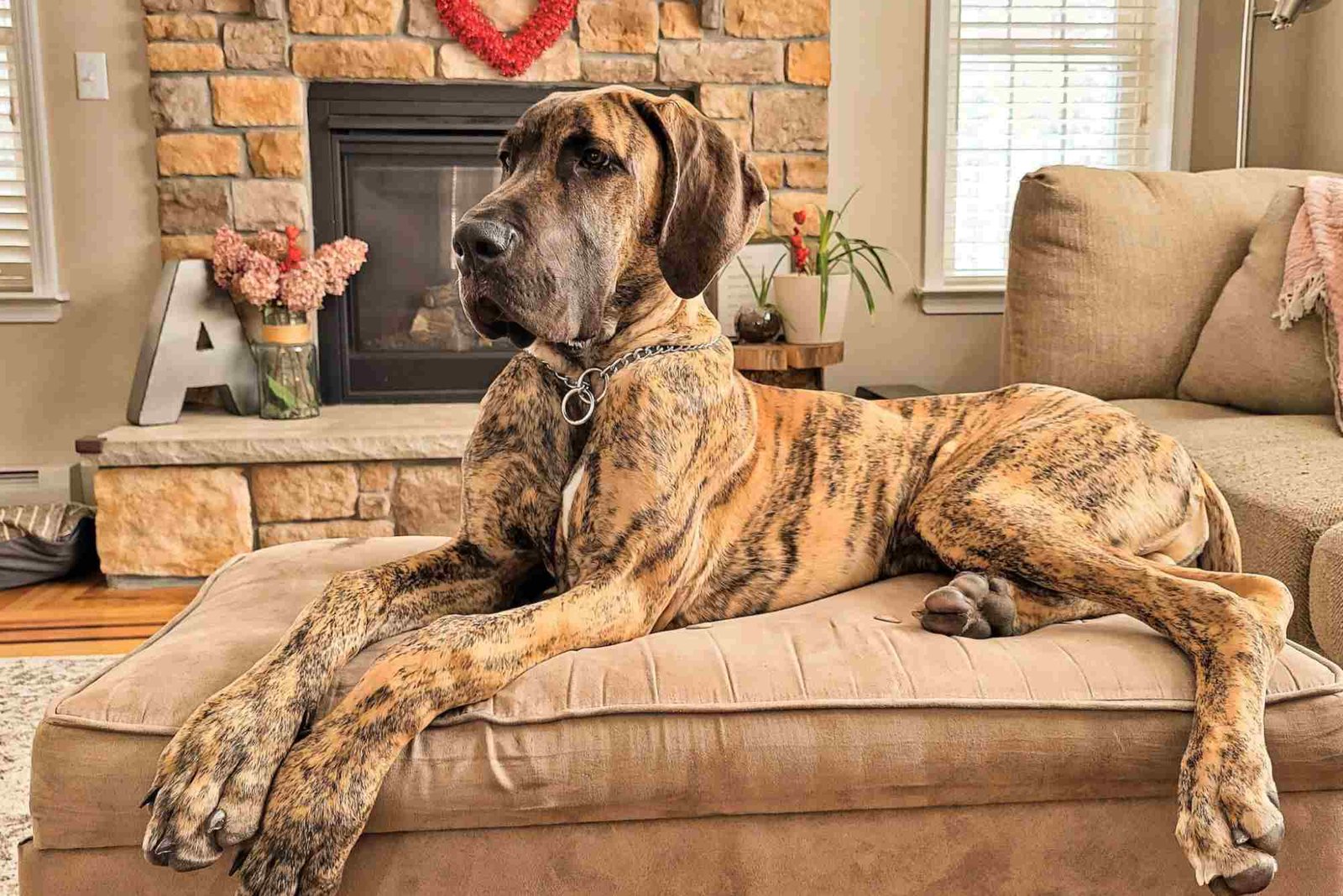
Great Danes spend much of their time lounging. They enjoy being next to their owners and often prefer being couch potatoes. Their calm personalities mean they do not require constant space to run, which helps them adjust to apartment life.
How Their Size Affects Daily Living
Their size does create challenges. They may bump into furniture, knock items down with their tail, or take up more room than you expect. Planning your layout with wide pathways helps them move comfortably. A Great Dane-friendly home focuses on open spaces instead of crowded furniture.
Space Requirements for Great Danes in Apartments
One of the biggest concerns when wondering if Great Danes are good apartment dogs is space. They do not need a large house, but they do need thoughtful management of the available area.
Creating Comfortable Living Areas
A Great Dane benefits from a designated area for sleeping and resting. Many owners choose an oversized dog bed or even a memory foam mattress. This helps with joint support and prevents them from squeezing onto small bedding. Keeping their rest area away from busy foot traffic makes them feel secure.
Managing Indoor Movement
Since Great Danes are prone to joint issues, slippery floors should be avoided. Rugs or mats reduce slipping and protect their elbows and hips. Clear a path from the bedroom to the living room to help them move without bumping into things.
Balcony and Window Safety
Because Great Danes are tall, balcony rails may not be high enough. It is important to supervise them when outside and never allow them to lean on balcony edges. Window screens should be reinforced as well. Their height gives them access to places smaller dogs cannot reach.
Training Great Danes for Apartment Living
Training is essential for any big dog, but it becomes even more important when space is limited. Good manners help maintain peace with neighbors and make daily routines smoother.
Early Obedience Training
Start with basic commands like sit, stay, down, and leave it. This builds control and keeps them safe in crowded hallways or elevators. Great Danes respond best to positive reinforcement and calm, consistent guidance.
Crate and Alone-Time Training
A crate provides structure and prevents separation anxiety. Choose a crate large enough for them to stand and turn comfortably. Gradually increase alone time so your Great Dane feels calm even when you are away.
Elevator and Hallway Etiquette
Teach your Great Dane to sit when others enter an elevator. This prevents accidents and helps neighbors feel comfortable. When walking through hallways, keep them close at your side to avoid blocking paths.
Exercise Needs for Great Danes in Apartments
While Great Danes are laid-back, they still need daily activity. A balanced routine helps prevent boredom and reduces destructive behavior.
Ideal Daily Exercise Routine
Two moderate walks each day usually meet their needs. A short morning walk followed by a longer evening walk works well. Avoid intense running, as their joints are sensitive. Slow and steady movement is safest.
Mental Stimulation Indoors
Puzzle toys, chew treats, and scent-based games help activate their minds. Mental work often tires them out faster than physical exercise, which is perfect for apartment living.
Safe Indoor Play
Short play sessions indoors are fine, but jumping or roughhousing should be avoided. Great Danes are prone to bloat, so keep activities gentle and controlled.
Noise, Neighbors, and Apartment Etiquette
Because Great Danes have deep voices, preventing barking is an important part of living close to others. With training, they can be very quiet dogs.
Reducing Barking
Teach a quiet command and reward calm behavior. Keep blinds closed if outside noise triggers barking. Consistent routines help them feel secure and less reactive.
Handling Shared Spaces
Always use a leash in hallways. Bring waste bags for quick cleanups. A well-trained Great Dane earns the trust and respect of neighbors.
Feeding and Health Considerations in Small Homes
Great Danes require thoughtful care because of their large size and unique health risks. Apartment living should include structured feeding and routine checkups.
Preventing Bloat
Feed smaller, frequent meals instead of one large portion. Avoid intense activity right before or after eating. Elevated bowls may help, but ask your vet for guidance.
Joint Health
Since apartments often have stairs, limit stair use for puppies. Great Danes grow rapidly, so supportive bedding and supplements may help protect joints.
Managing Shedding and Cleanliness
Great Danes shed moderately. Regular brushing reduces mess. They also drool, so keep towels nearby and clean floors daily to avoid buildup.
Grooming Needs in an Apartment Environment
Great Danes are low-maintenance in terms of grooming, making them suitable for smaller living spaces.
Simple Grooming Routines
Brush once or twice a week. Use a mild shampoo and bathe them every six to eight weeks. Their short coat dries quickly, which helps when living without a large yard.
Nail and Ear Care
Keep nails trimmed to prevent slipping on apartment floors. Clean ears weekly to reduce the risk of infections.
Adapting Great Danes to Urban Life
Apartment homes are often located in cities, so helping a Great Dane feel comfortable with urban environments is important.
Noise Desensitization
Introduce them gradually to traffic noises, sirens, and busy sidewalks. Calm praise helps them build confidence in loud environments.
Socialization with People and Pets
Meet new dogs and neighbors slowly. Great Danes are friendly, but their size can overwhelm others. Controlled introductions create positive experiences.
Finding Dog-Friendly Routes
Look for quiet walking paths or dog parks. Early morning walks avoid crowds and help them feel relaxed.
Are Great Danes Good Apartment Dogs? Expert-Like Answer
Yes, Great Danes can be excellent apartment dogs when owners meet their needs. They are affectionate, calm, loyal, and low-energy. With proper training, daily routines, space management, and regular care, they thrive even in small homes. Many urban dog owners choose Great Danes because they fit surprisingly well into apartment lifestyles.
Should You Own a Great Dane in an Apartment?
Are Great Danes good apartment dogs? Absolutely, as long as you prepare for their size and prioritize training, exercise, and health care. These gentle giants can be loving, peaceful apartment companions who bring warmth and companionship to any home. If you are considering adopting a Great Dane, start by preparing your space, creating a routine, and learning their unique needs. With patience and dedication, apartment life with a Great Dane can be rewarding and joyful.
FAQs
Do Great Danes need a lot of space?
Not as much as people think. They need an open layout rather than large square footage. As long as they can stretch out comfortably, apartments work well.
Are Great Danes too big for apartments?
Their size is manageable with training and thoughtful design. Their calm nature balances out their height and weight.
How much exercise does a Great Dane need daily?
Most Great Danes do well with 45 to 60 minutes of total daily exercise, split into two or three sessions.
Are Great Danes good for first-time dog owners?
Yes, if the owner is committed to training and understands their health needs. Their gentle temperaments make them beginner-friendly.
Do Great Danes bark a lot?
They are generally quiet. Training and routine help reduce unnecessary barking.