Biophilic design — the deliberate integration of natural materials, light, plants, water, and views
of nature into the built environment — has moved from a design trend to a standard expectation
at the upper end of Dubai’s residential and hospitality market. Understanding what it actually
involves, beyond decorative planting, and why it works particularly well in a desert climate is
essential for anyone commissioning a high-specification project in architecture design Dubai
today.
The Evidence Behind the Preference
The human preference for spaces with natural elements, access to daylight, and views of
vegetation or water is well-documented in environmental psychology research. Spaces that
satisfy these preferences reduce measured stress responses, improve cognitive performance,
and increase self-reported wellbeing. In a built environment as artificial and climate-controlled
as Dubai’s, the contrast between the hostile outdoor environment and a nature-integrated
interior is more pronounced — and the wellbeing benefit correspondingly stronger.
Why Desert Climates Benefit Most
“In a city where the outdoor environment is hostile for half the year,
bringing nature inside is not a design trend. It is a fundamental act of
place-making.”
In temperate climates, biophilic design is a choice. In Dubai, it addresses a genuine functional
need: the psychological cost of being confined to air-conditioned interiors for extended periods
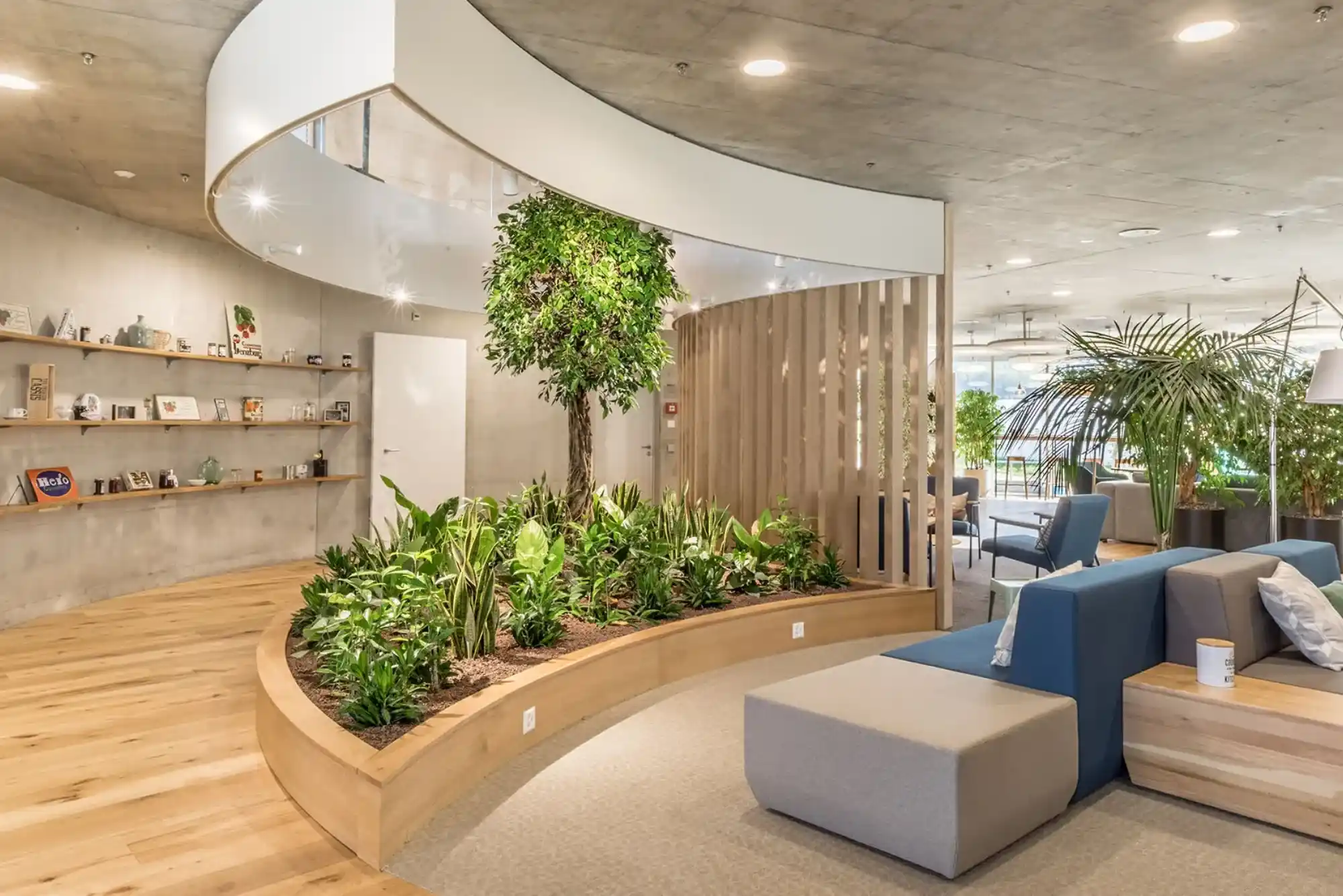
during summer. A home or hotel that incorporates planted courtyards, water features, natural
light dynamics, and material depth provides restorative quality that occupants feel even when
they cannot articulate why. Realising this coherently requires spatial planning, landscape
architecture, and interior specification to be held as a connected discipline rather than separate
commissions.
What Biophilic Design Is Not
The term has been adopted freely enough in Dubai’s design industry that it is worth being
specific. Biophilic design is not a living wall installed as a social media backdrop. It is not potted
plants added to an otherwise sterile interior. It is not wood-effect finishes where natural timber
would have been more honest and more durable.
Genuine biophilic design is embedded in the spatial and material logic of the building from the
earliest design stage. It considers how daylight moves through a space across the day and
across seasons. It works with the acoustic character of the environment, not just the visual one.
A planted courtyard that contributes passive cooling while creating a visual focus from
surrounding rooms is biophilic design. A feature wall of preserved moss is interior decoration.
How to Brief for Biophilic Design in Dubai
When briefing an architect for a biophilic project, the most productive conversations are not
about specific plant species or material samples. They are about how you want the space to
feel at different times of day, what your relationship to outdoor space looks like across the year,
and what role natural light plays in how you use different rooms. These answers give a skilled
design team the information they need to produce something genuinely integrated.
View Teal Design projects that demonstrate biophilic principles applied at an architectural
scale — where the planted courtyard, the water feature, and the material palette are part of the
same spatial concept — to understand the difference between this and surface-level
application.