
Accurate chemical mixing is critical for industries—from laboratories and agriculture to cleaning, pharmaceuticals, and manufacturing. A dilution ratio calculator makes this process precise, fast, and error-free. In regions like Pakistan, the UAE, the UK, and Australia, professionals increasingly rely on digital tools to maintain quality and compliance.
This guide explains how dilution ratio calculators work, why they matter, and how global industries use them to enhance safety, consistency, and efficiency.
What Is a Dilution Ratio Calculator
Quick Answer: A dilution ratio calculator helps determine how much solute and solvent you need to create a desired concentration.
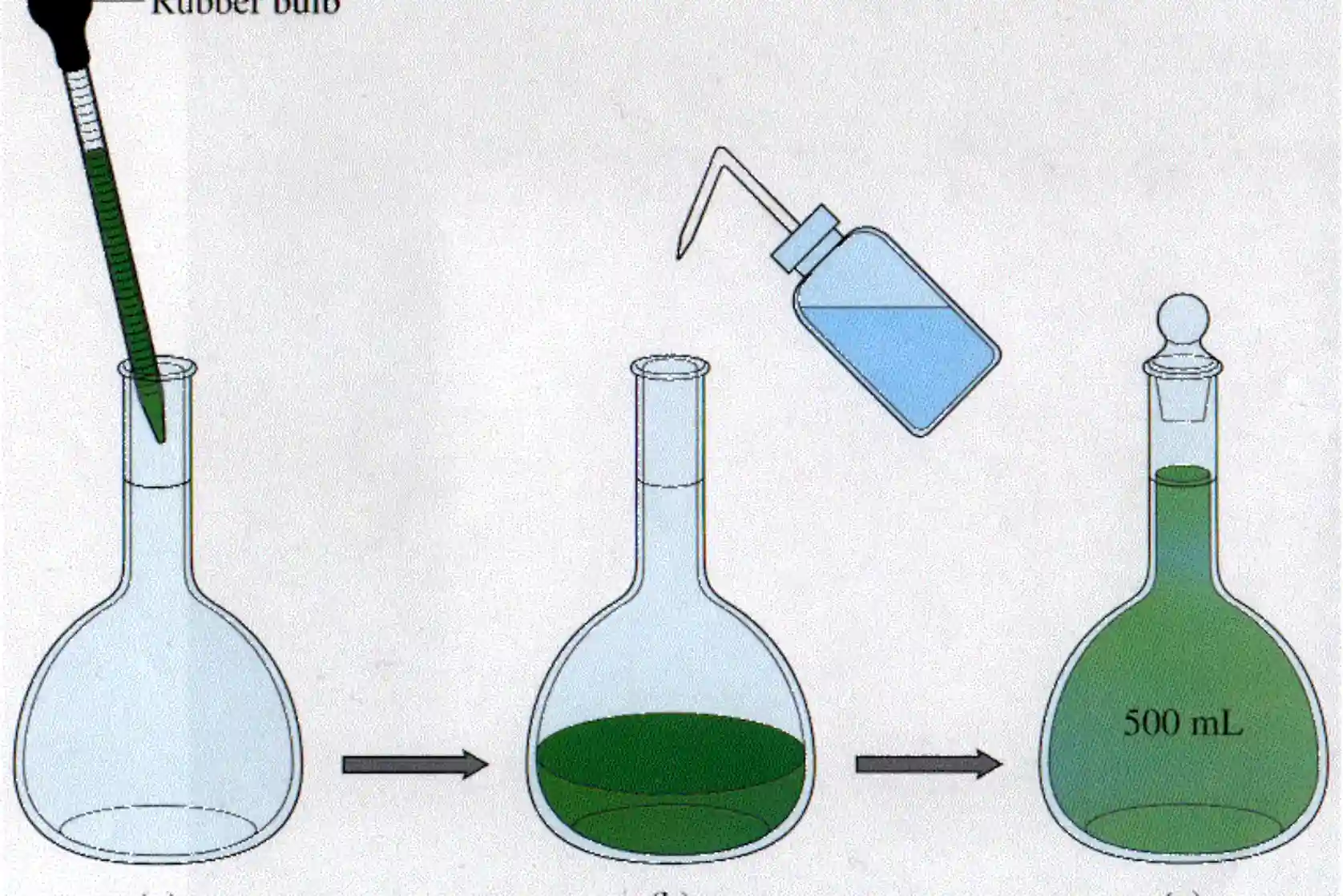
A dilution ratio calculator is a scientific tool that computes the exact amount of concentrated solution and dilution liquid required to achieve a specific strength. Industries use it to avoid mistakes that lead to waste, inconsistent results, or unsafe chemical mixtures. From pesticide preparation to lab solutions, precision is essential—especially in sectors with strict compliance standards such as pharmaceuticals, food processing, healthcare, and industrial cleaning.
Why Accurate Dilution Matters Across Industries
Quick Answer: Accuracy ensures safety, regulatory compliance, and product performance.
Incorrect dilution can lead to product inefficiency, damaged equipment, or safety hazards. In agriculture, over-concentrated fertilizer may burn crops; in cleaning, under-diluted disinfectant reduces microbial effectiveness. Research from the World Health Organization shows that many contamination issues in developing countries stem from improper chemical handling—often due to miscalculated ratios. Regions like Punjab’s agriculture sector and the UAE’s hospitality industry rely heavily on accuracy to maintain quality standards.
How a Dilution Ratio Calculator Works
Quick Answer: It uses formula-based inputs to generate the exact ratio of concentrate to water.
These calculators follow the classic dilution formula:
C1 × V1 = C2 × V2
Where:
C1 = starting concentration
V1 = amount of concentrate
C2 = desired concentration
V2 = final total volume
By entering any two values, the tool computes the missing figures instantly. This prevents human error and boosts operational reliability. Many quality-driven industries in Karachi, Dubai, and Birmingham have adopted structured dilution workflows powered by these calculators.
Benefits of Using a Digital Dilution Calculator
Quick Answer: It saves time, prevents errors, and supports consistent quality.
Key advantages include:
Accurate, formula-verified outputs
Uniform results across teams
Reduced waste and cost
Better compliance with ISO and EPA standards
Improved safety in chemical handling
Faster training for new workers in labs and plants
A 2024 study from a European chemical association reported that digital tools reduced mixing errors by 67%—a strong validation of their global importance.
Midpoint Insight — Best Tools for Concentration Calculations
Quick Answer: Reliable online calculators simplify complex dilution tasks.
Professionals often rely on a solution concentration calculator to avoid guesswork and ensure chemical precision. A trusted source offering an accurate and simple calculators collection can significantly improve workflows for students, lab technicians, and industrial operators.
For businesses undergoing digital transformation, accessing professional IT services in Pakistan empowers them to automate these workflows and integrate tools into internal systems—supporting both accuracy and national tech advancement.
Common Mistakes When Calculating Dilution Ratios
Quick Answer: Most errors happen due to wrong units, assumptions, or rounding mistakes.
Typical mistakes include:
Confusing milliliters with liters
Using percentage instead of ppm
Mixing by “estimation” instead of formula
Rounding early
Ignoring temperature effects
Failing to check purity of stock solution
Case example: In Sindh’s textile sector, incorrect bleach dilution caused fabric damage costing firms up to 12% annually. A digital calculator would have prevented these errors.
LSI Topic — Understanding Solute and Solvent Roles
Quick Answer: The solute is the substance being dissolved, while the solvent does the dissolving.
In most industrial scenarios, the solute is the concentrated chemical, pigment, or disinfectant, while the solvent—usually water—dilutes it. A strong understanding of these roles helps prevent incompatible mixtures. For example, some solvents are temperature-sensitive and behave differently in the warm climate of Pakistan compared to cooler regions like Scotland.
LSI Topic — Best Tips for Calculating Chemical Concentrations Safely
Quick Answer: Follow formula-based calculations and safety protocols every time.
To ensure safety:
Wear protective gear
Use standardized measuring equipment
Always add concentrate to water, not the reverse
Double-check units before mixing
Document all ratios for batch consistency
Train workers using government-backed programs
e.g., Pakistan’s National Vocational & Technical Training Commission (NAVTTC)
UAE’s Youth Skill Development Track
These initiatives help build safer chemical-handling environments.
LSI Topic — Examples of Dilution Ratios in Real Life
Quick Answer: Industries use ratios like 1:10, 1:20, and 1:100 depending on strength requirements.
Everyday examples include:
Disinfectant for homes: 1:20
Agriculture pesticide: 1:100
Car shampoo detailing: 1:256
Lab buffer solution: precise formula-based calculations
Food ingredient concentrates: volume-specific ratios
In growing agricultural hubs like Faisalabad or Queensland, precise ratios directly impact crop performance, livestock hygiene, and product quality.
FAQs
1. What is the best way to calculate dilution ratios for beginners?
Use a digital calculator and start with simple ratios like 1:10 or 1:20. Input the starting concentration and desired strength and let the tool compute the values.
2. Can dilution ratio calculators be used in agriculture?
Yes. They are essential for accurately mixing pesticides, fertilizers, and micronutrients, especially in climate-sensitive regions like Sindh and rural NSW.
3. Do temperature changes affect dilution accuracy?
In some chemicals, yes. Warmer temperatures (like in the Gulf region) may alter viscosity and reactivity.
4. Are dilution calculators useful for students?
Absolutely. Chemistry students in Pakistan, the UK, and Australia rely on them to learn concentration formulas without calculation errors.
5. How do I avoid common mistakes when diluting chemicals?
Double-check units, follow ratios precisely, and avoid estimating measurements. Using digital calculators greatly reduces errors.
6. Can these calculators be integrated into business systems?
Yes. With the support of IT service providers, businesses can build integrated chemical management systems.
7. Are dilution ratio calculators industry-standard tools?
They are increasingly becoming standard due to rising safety regulations and global digital transformation trends.
Final Thought
As someone who has worked with chemical compliance teams across Pakistan and the UAE, I’ve seen firsthand how a simple dilution ratio mistake can cause safety issues, product inconsistencies, and major financial losses. Digital calculators offer an Affordable, scalable way for labs, farms, factories, and technicians to reduce risk while improving accuracy. With Pakistan’s tech ecosystem rapidly expanding—supported by innovation districts and youth-training programs—the adoption of smarter tools will continue empowering professionals across the region.