Introduction
When it comes to urban living, the terms “flat” and “apartment” are often used interchangeably. Yet, these words carry subtle differences that matter for buyers, renters, and property enthusiasts. Understanding the distinctions can help you make smarter decisions whether you are planning to rent, invest, or simply explore housing options. This guide will break down the key differences between a flat and an apartment, focusing on design, ownership, and usage patterns.
What is a Flat?
A flat is a residential unit within a larger building that shares common walls with other units. The term is more commonly used in the United Kingdom, India, and other Commonwealth countries. Flats often reflect a design and lifestyle approach influenced by local urban planning and cultural norms.
Design Features of a Flat
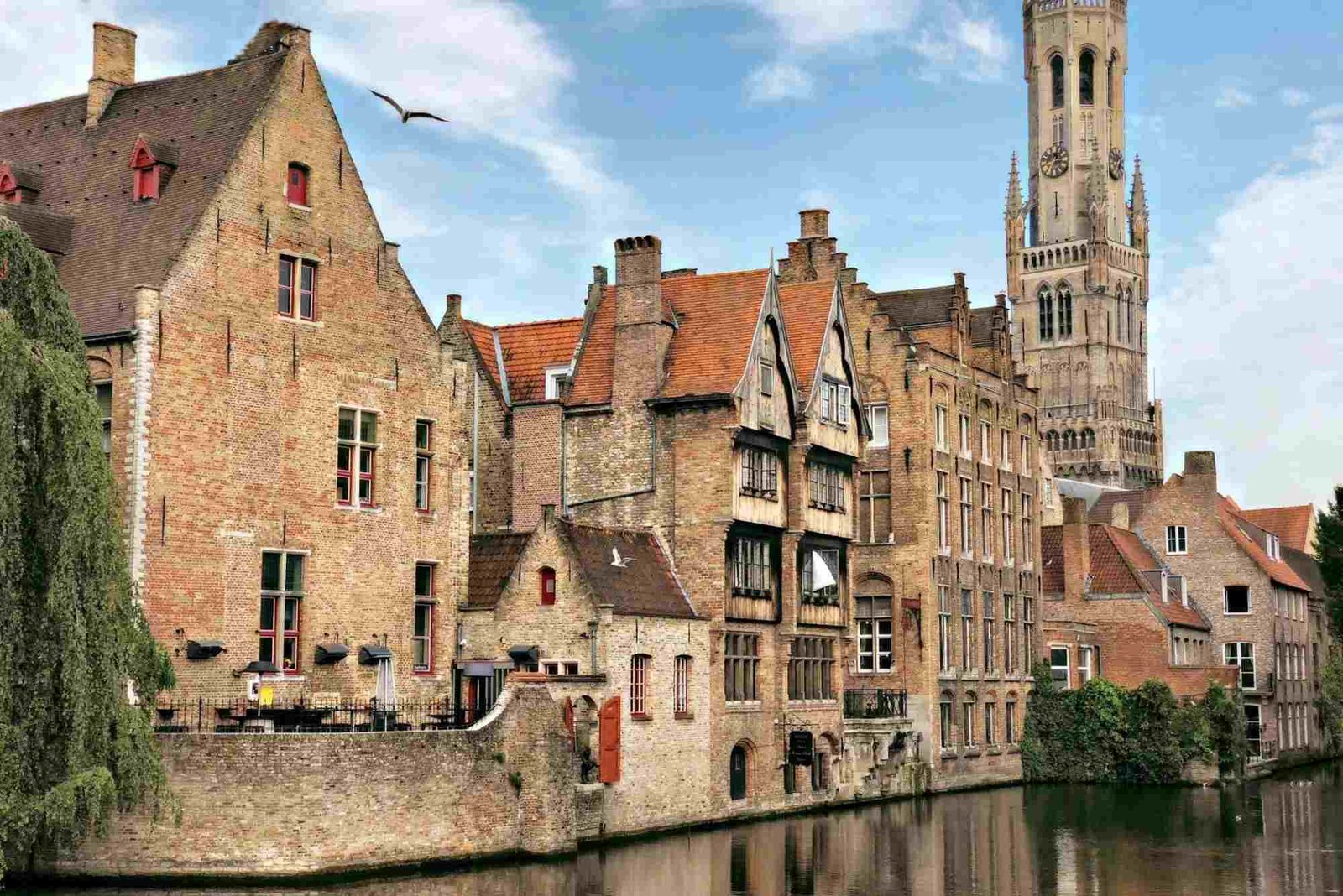
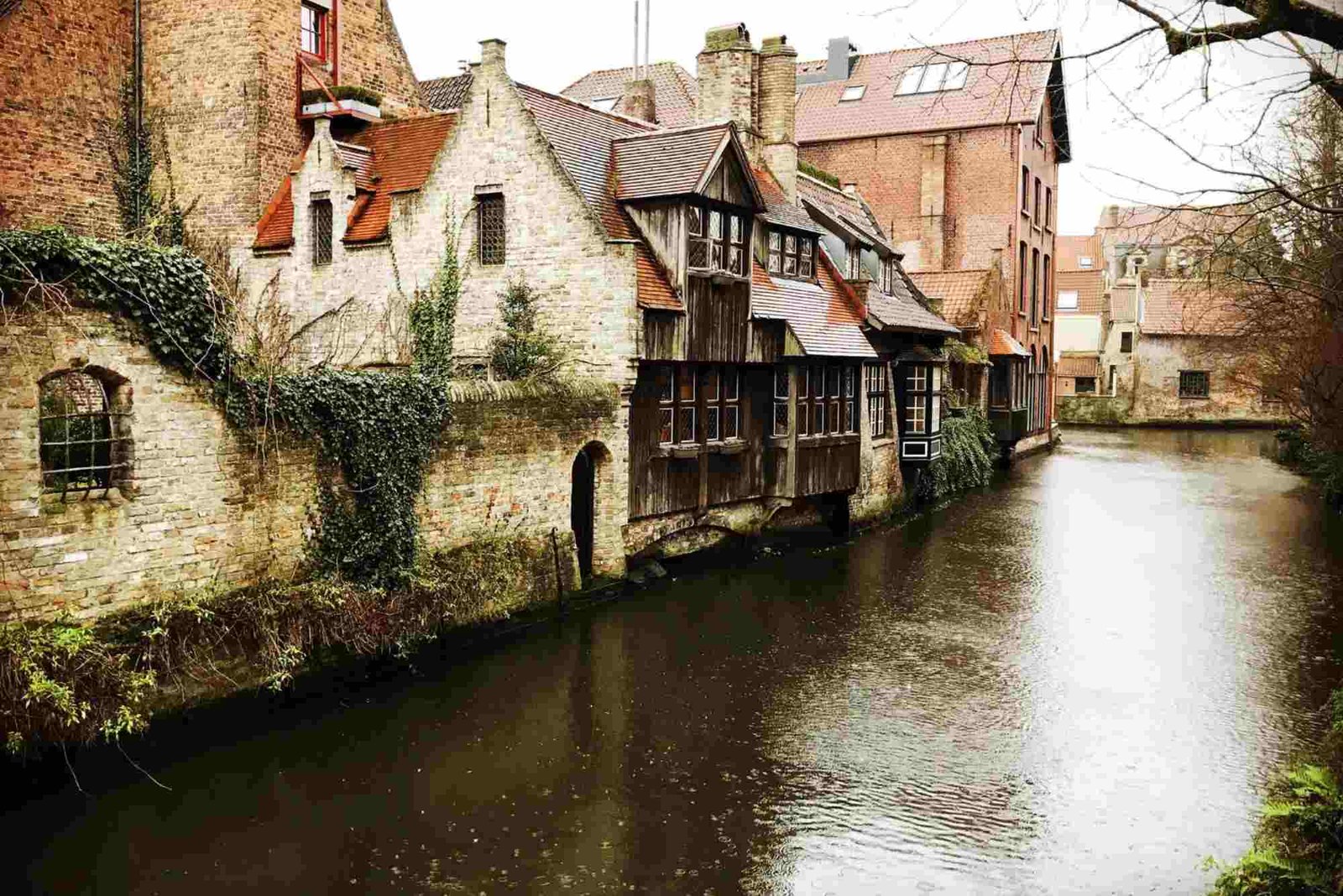
Flats are generally designed to maximize space efficiency. Most flats occupy a single floor and often feature a compact layout with connected rooms. While they may vary in size, they are typically smaller than apartments in modern high-rise complexes. Many flats are located in older buildings, which can result in unique architectural features such as high ceilings, ornate moldings, or distinctive window designs.
The interiors of flats are usually functional rather than luxurious. Kitchens tend to be modest, and bathrooms are often designed for practical use. Balconies or terraces, if present, may be small but offer a connection to the outdoors. In some cases, flats may be part of heritage buildings, offering charm and character that newer apartments lack.
Ownership Structure of Flats
In the UK and similar markets, flats are commonly sold under leasehold agreements. This means the buyer owns the unit for a fixed period, typically ranging from 99 to 999 years, but does not own the land. Maintenance and communal services are usually managed by a separate entity or landlord, and residents pay service charges for upkeep.
Flats in India may be sold under similar leasehold arrangements or as freehold properties, depending on the developer and local regulations. Ownership structures often include access to shared amenities such as elevators, staircases, and communal gardens.
Usage Patterns for Flats
Flats are predominantly used for residential purposes, often catering to young professionals, small families, or retirees. The focus is on practical living rather than expansive space or luxury. In urban areas, flats offer convenient access to work, shopping, and public transportation, making them an attractive option for city dwellers.
What is an Apartment?
Apartments are a term widely used in North America, Australia, and parts of Europe to describe residential units within a multi-story building. While similar in function to flats, apartments are often associated with modern high-rise buildings and a broader range of amenities.
Design Features of an Apartment
Modern apartments are designed with both comfort and aesthetics in mind. Floor plans vary significantly, from studio apartments with open layouts to multi-bedroom units with separate living and dining areas. Apartments often prioritize natural light and ventilation, with large windows, balconies, or terraces integrated into the design.
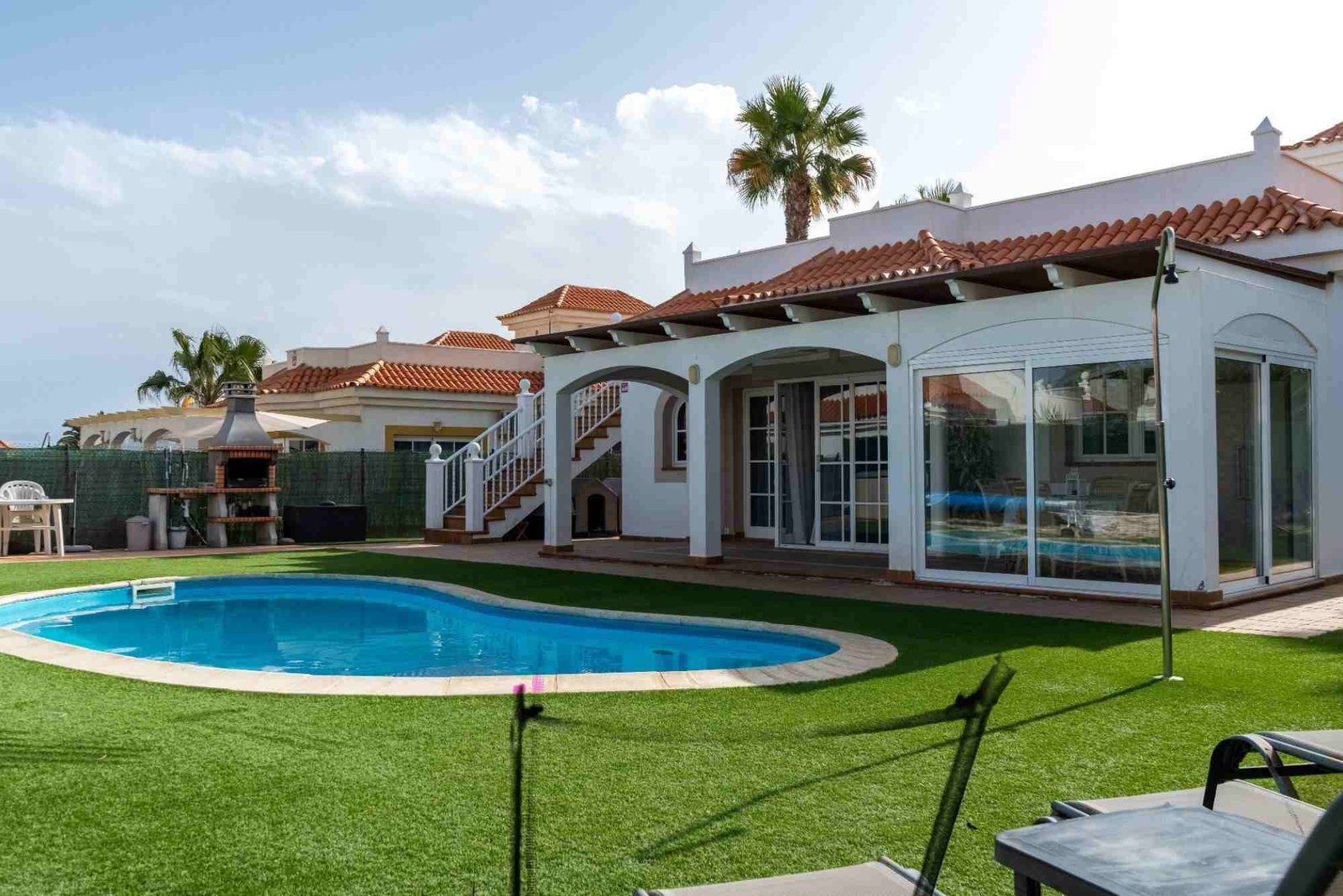
High-rise apartment complexes frequently include shared facilities such as gyms, swimming pools, lounges, and even rooftop gardens. The interior finishes are often more contemporary than flats, with modular kitchens, modern appliances, and stylish bathrooms. Developers may also focus on energy efficiency, incorporating smart home technologies, solar panels, and sustainable building materials.
Ownership Structure of Apartments
Apartments are generally available for sale under freehold or condominium ownership in countries like the United States and Canada. Freehold ownership allows residents to own both the unit and the land it occupies, while condominium arrangements provide ownership of the individual unit alongside shared rights to common areas.
Leasehold apartments also exist, particularly in markets with high population density. Renters typically sign long-term agreements with landlords, while buyers invest in apartments as part of their real estate portfolios. Maintenance and utility services are often managed by a homeowners’ association or building management company.
Usage Patterns for Apartments
Apartments attract a diverse range of residents, from singles and couples to families seeking convenience and amenities. Urban apartments offer easy access to business districts, schools, and leisure facilities. Some apartment complexes are designed for short-term rentals, appealing to tourists and business travelers.
The lifestyle associated with apartment living often emphasizes convenience, social interaction, and security. Residents may enjoy concierge services, gated entry, and modern security systems, which make apartments attractive for those prioritizing a hassle-free urban life.
Key Differences Between Flats and Apartments
Understanding the distinctions between flats and apartments is essential for making informed housing choices. While the two terms may overlap in everyday use, the differences lie in design, ownership, and usage.
Geographic and Cultural Context
The first difference is linguistic and regional. The term “flat” is common in the UK, India, and other Commonwealth countries. “Apartment,” on the other hand, is prevalent in the US, Canada, and Australia. Cultural context influences not only terminology but also building styles, amenities, and legal frameworks for ownership.
Design and Layout
Flats are often compact, functional, and located in older buildings with traditional architectural elements. Apartments tend to be more spacious and modern, with contemporary layouts and integrated amenities. While flats prioritize utility and efficiency, apartments often focus on comfort, aesthetics, and lifestyle features.
Ownership Model
Flats are typically sold under leasehold agreements, limiting long-term control over the land. Apartments frequently come under freehold or condominium arrangements, granting more comprehensive ownership rights. The ownership structure affects property value, resale potential, and maintenance responsibilities.
Maintenance and Amenities
Flats usually offer minimal communal amenities, such as shared staircases and basic gardens. Apartment complexes, especially newer ones, provide a wide range of facilities, including fitness centers, swimming pools, and recreational areas. Maintenance is often more structured in apartment buildings due to homeowners’ associations or management companies.
Usage Patterns and Lifestyle
Flats cater to residents who value central locations, affordability, and practical living. Apartments appeal to individuals seeking modern conveniences, luxury, and community-focused amenities. Apartments are often preferred for long-term investment or lifestyle-driven urban living, while flats may be chosen for practicality or historical charm.
Market Perception and Investment Value
In many countries, apartments are perceived as higher-end real estate due to their design, amenities, and investment potential. Flats may carry historical or cultural value but often come with limitations on expansion or resale due to leasehold restrictions. Investors should consider location, ownership structure, and potential rental yield before purchasing either type.
Choosing Between a Flat and an Apartment
When deciding between a flat and an apartment, consider your lifestyle, budget, and long-term goals. If you value practicality, a central location, and affordability, a flat may suit you better. If modern design, extensive amenities, and investment potential are important, an apartment is likely a better fit.
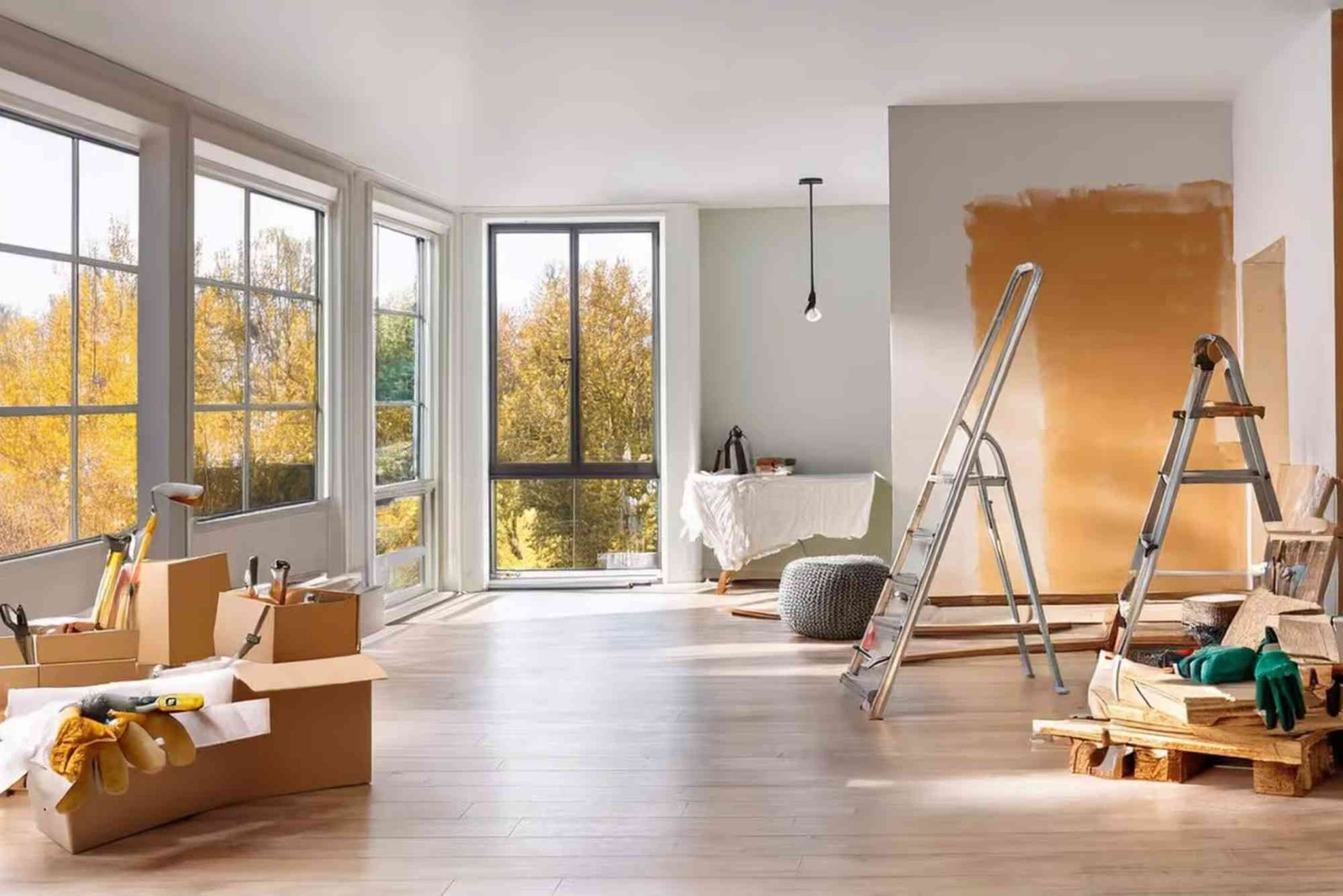
It is also crucial to evaluate legal and ownership implications. Leasehold flats may involve annual service charges and limited control over renovations, whereas freehold Flat vs Apartment provide greater flexibility. Inspecting building quality, management practices, and nearby infrastructure is essential before making a decision.
Flats and apartments both offer unique advantages, depending on location, design, and ownership preferences. Flats provide practical, compact living with a focus on function and affordability, often reflecting cultural and historical contexts. Apartments, in contrast, offer modern layouts, enhanced amenities, and flexible ownership structures suitable for a contemporary lifestyle. Understanding these differences empowers buyers, renters, and investors to make informed decisions aligned with their personal and financial goals. Whether you are exploring housing options for yourself or considering property investment, knowing the distinctions between flats and apartments ensures that you choose a home that meets your needs today and in the future. Take time to assess your lifestyle, preferences, and long-term plans to make the most suitable choice.
If you want expert guidance on navigating urban housing or finding the perfect flat or apartment, consult a real estate professional to explore options tailored to your goals.
FAQs
What is the difference between a flat and an apartment?
A flat is generally smaller, functional, and often leasehold, common in the UK and India. An apartment is larger, modern, and may come with freehold ownership and extensive amenities, common in the US and Australia.
Can a flat be called an apartment?
Yes, but usage depends on region. In everyday language, people often use the terms interchangeably, though legal and design distinctions exist.
Which is better for investment: flat or apartment?
Apartments often offer higher resale value and rental potential due to modern designs and amenities. Flats can be a good investment if located in central, historically desirable areas.
Do flats have shared facilities like apartments?
Flats typically have minimal shared facilities, such as staircases and small gardens. Apartments often include gyms, pools, lounges, and concierge services.
Are flats cheaper than apartments?
Generally, yes. Flats are smaller and may have leasehold restrictions, making them more affordable. Apartments, especially in modern complexes, tend to be pricier due to design, size, and amenities.
Is leasehold ownership only for flats?
No. Apartments can also be leasehold in high-density urban areas. Ownership type varies by country, developer, and local regulations.
Which is more common in cities?
It depends on the country. In the UK and India, flats dominate urban housing, whereas in the US and Australia, apartments are more common in city centers.
Can I renovate a flat like an apartment?
Renovation rights in flats may be limited due to leasehold terms or shared building restrictions. Apartments with freehold or condominium ownership usually allow more flexibility.