Introduction
The demand for Holland property for sale continues to rise as international buyers, expats, and investors recognize the Netherlands as one of Europe’s most stable and livable real estate markets. From sleek city apartments in Amsterdam to historic canal houses in Utrecht, Dutch real estate blends architectural heritage with modern convenience.
Whether you’re looking for a long-term investment, a second home, or relocation property, this guide will walk you through the market, prices, legal steps, and the best cities to consider.
Why Invest in Holland Property for Sale?
The Netherlands consistently ranks high in quality of life, infrastructure, and economic stability. For property buyers, this translates into steady demand and strong rental yields.
Strong Economy and Stable Housing Market
The Dutch economy is one of the strongest in Europe. With international companies headquartered in cities like Rotterdam and The Hague, housing demand remains robust. Even during global downturns, Dutch property values have shown resilience compared to many EU markets.
High Rental Demand
Expats, students, and professionals fuel the rental sector. University hubs such as Leiden and tech centers like Eindhoven offer excellent buy-to-let opportunities.
Transparent Legal System
The Netherlands offers a well-regulated property market. Transactions are handled by notaries, and ownership registration is secure and transparent — a key advantage for foreign buyers exploring Holland property for sale.
Types of Holland Property for Sale
Dutch real estate is diverse. Buyers can choose between modern urban apartments and centuries-old canal homes.
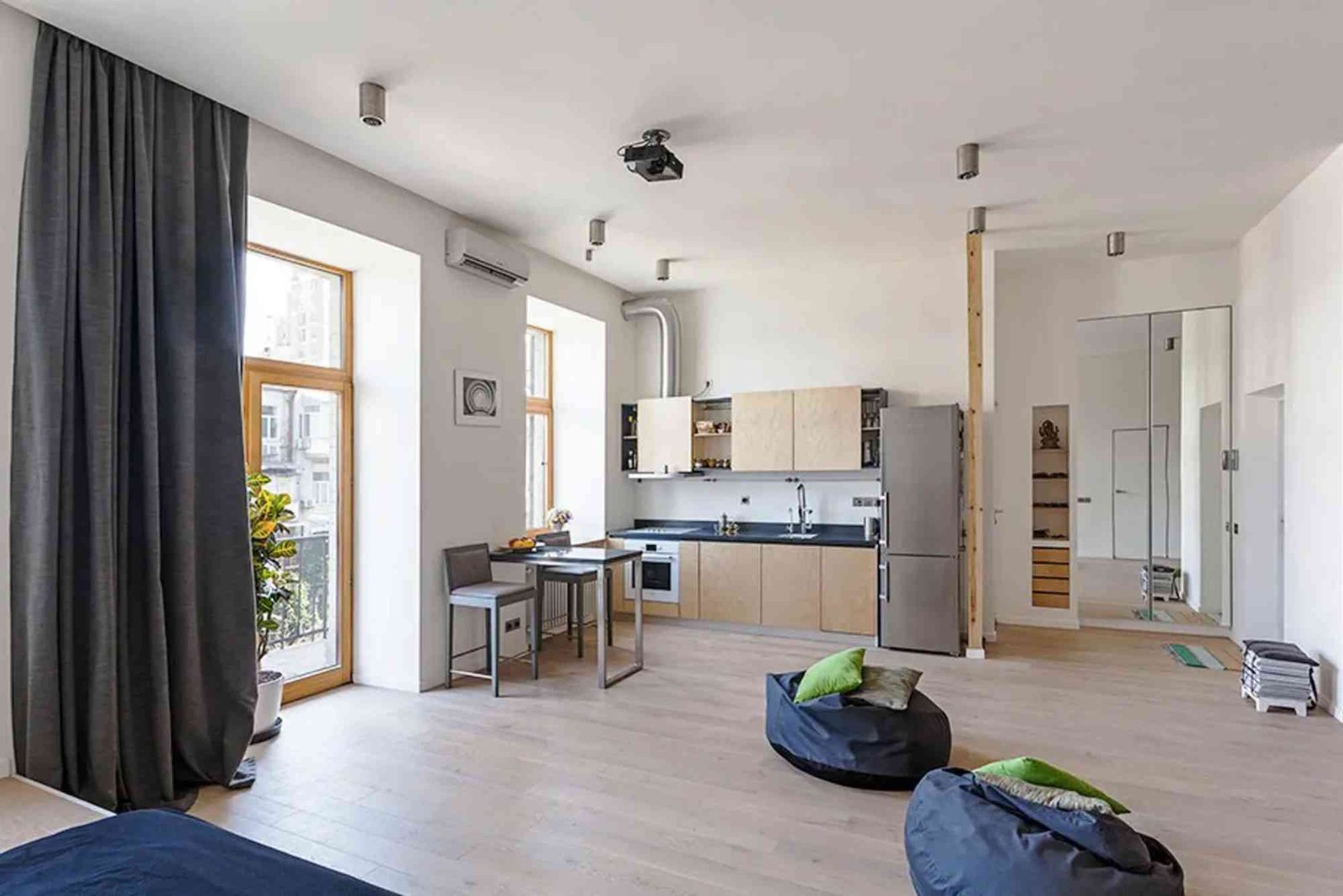
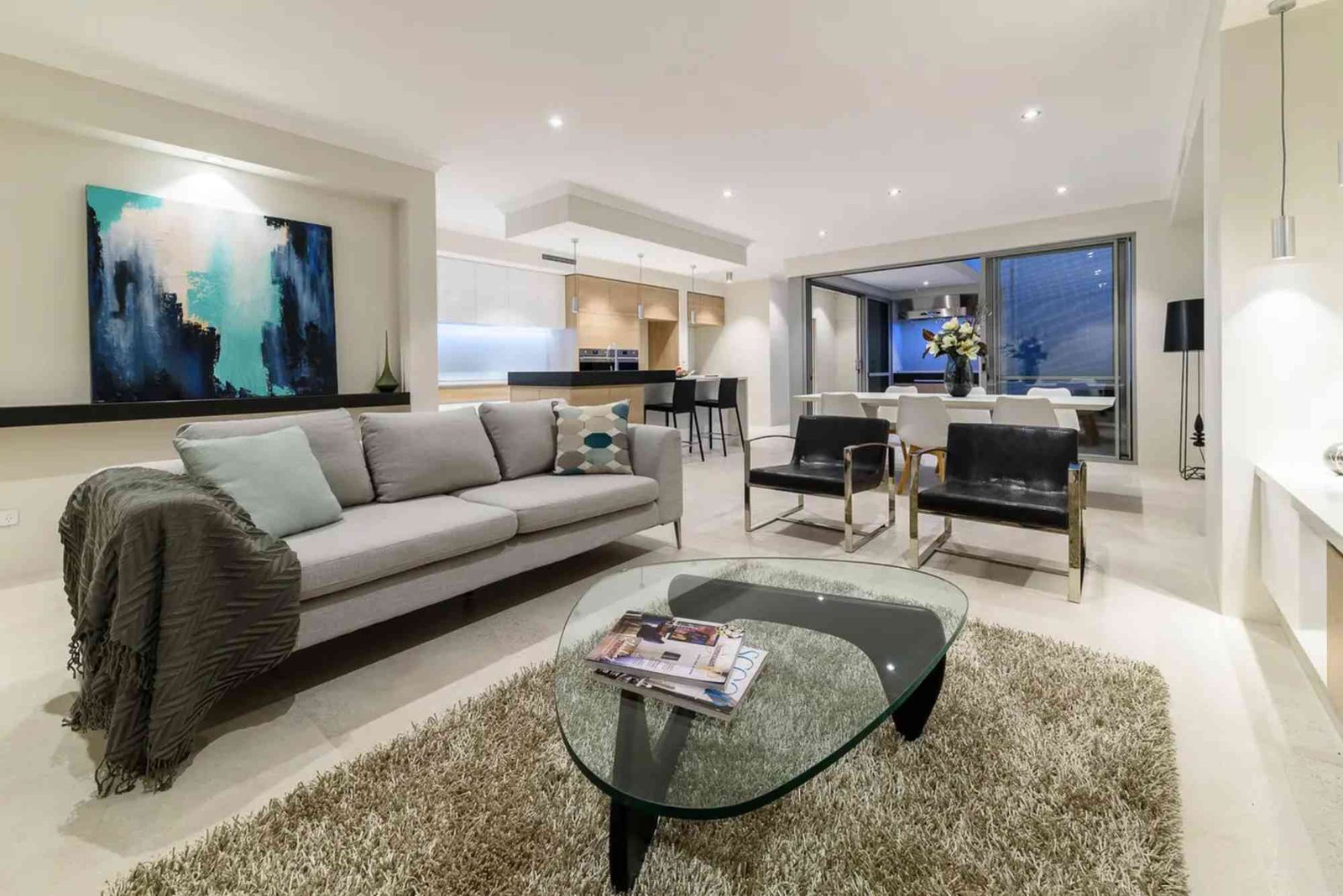
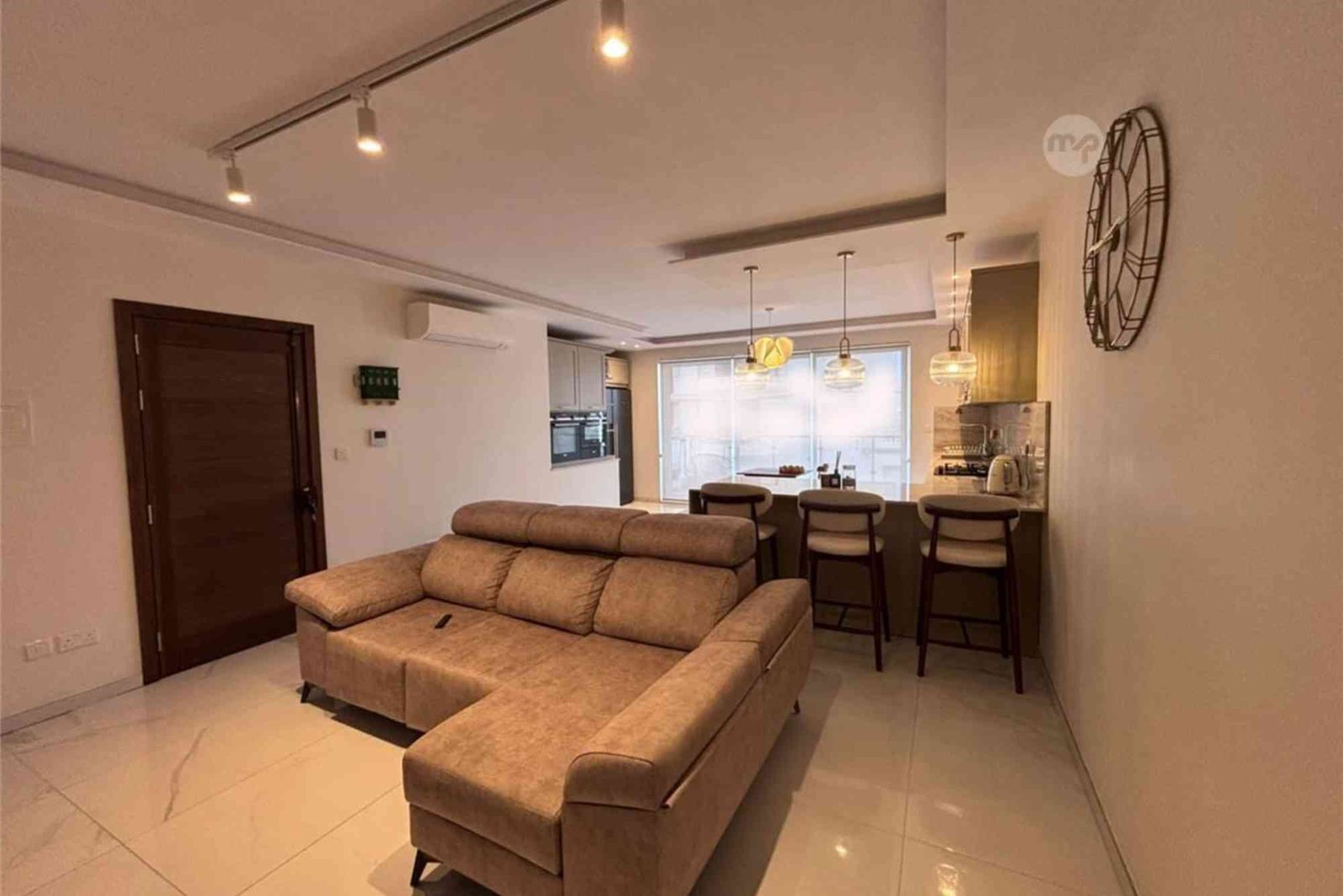
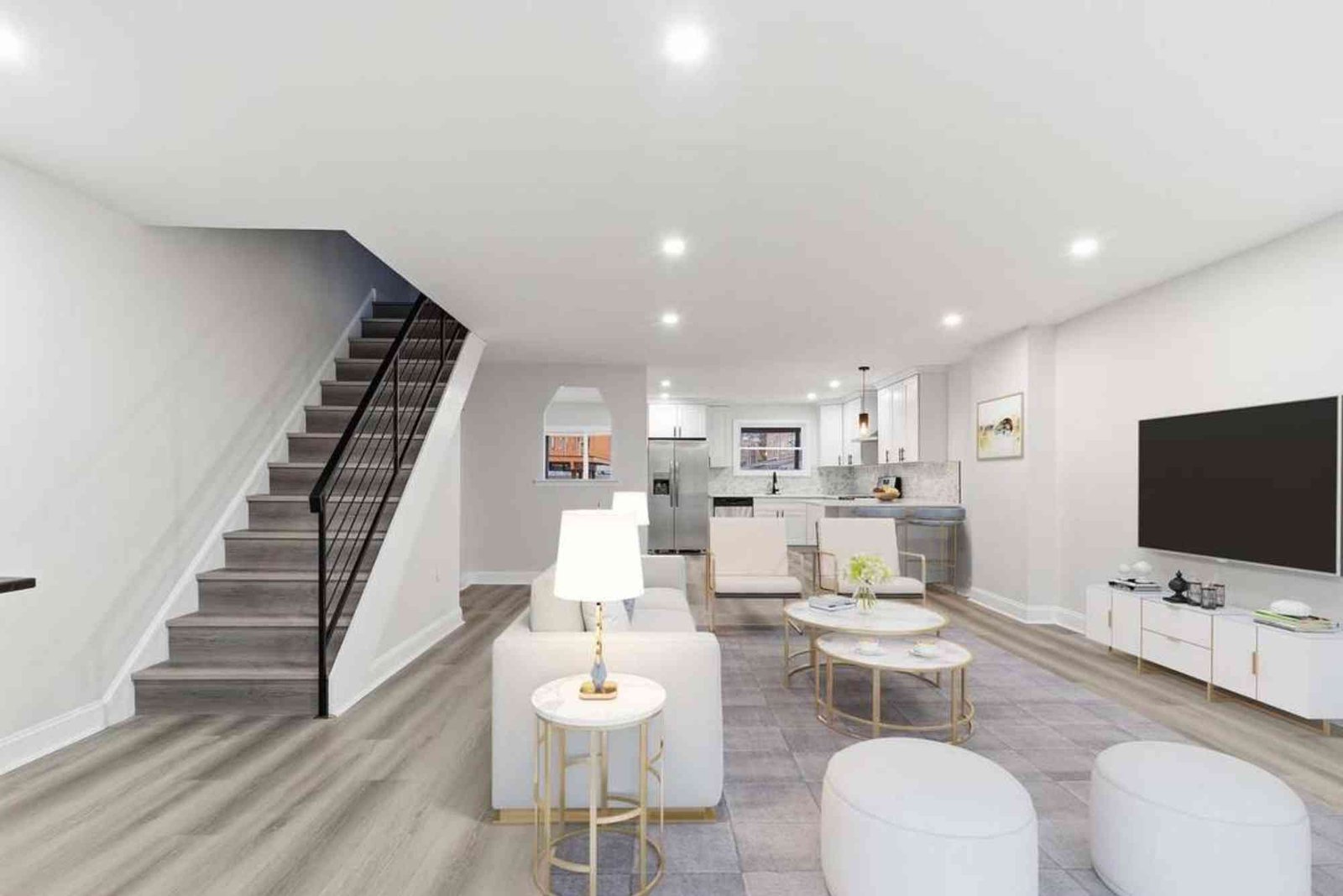
Dutch City Apartments
City apartments are the most popular option for first-time buyers and investors.
Features typically include:
- Energy-efficient design
- Bicycle storage facilities
- Proximity to public transport
- Smart home technology in new builds
In cities like Amsterdam, apartments in central districts command premium prices, while emerging neighborhoods offer better value and growth potential.
Canal Houses (Grachtenpanden)
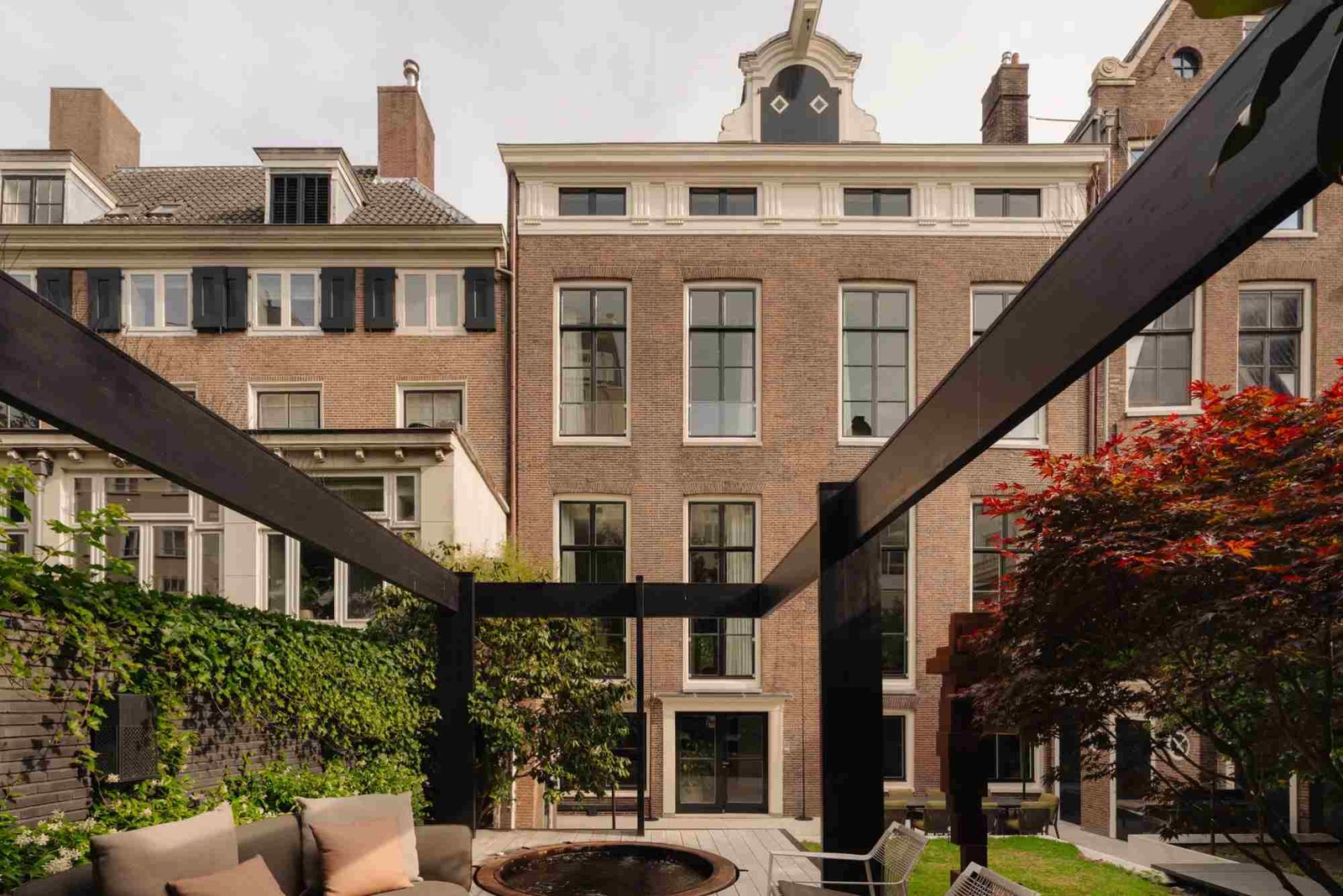
Canal houses are iconic symbols of Dutch heritage. These narrow, tall homes line historic waterways, especially in Amsterdam and Utrecht.
What makes them special:
- 17th-century architecture
- Decorative gables
- Waterfront views
- High investment prestige
However, renovation and maintenance costs can be higher due to heritage regulations.
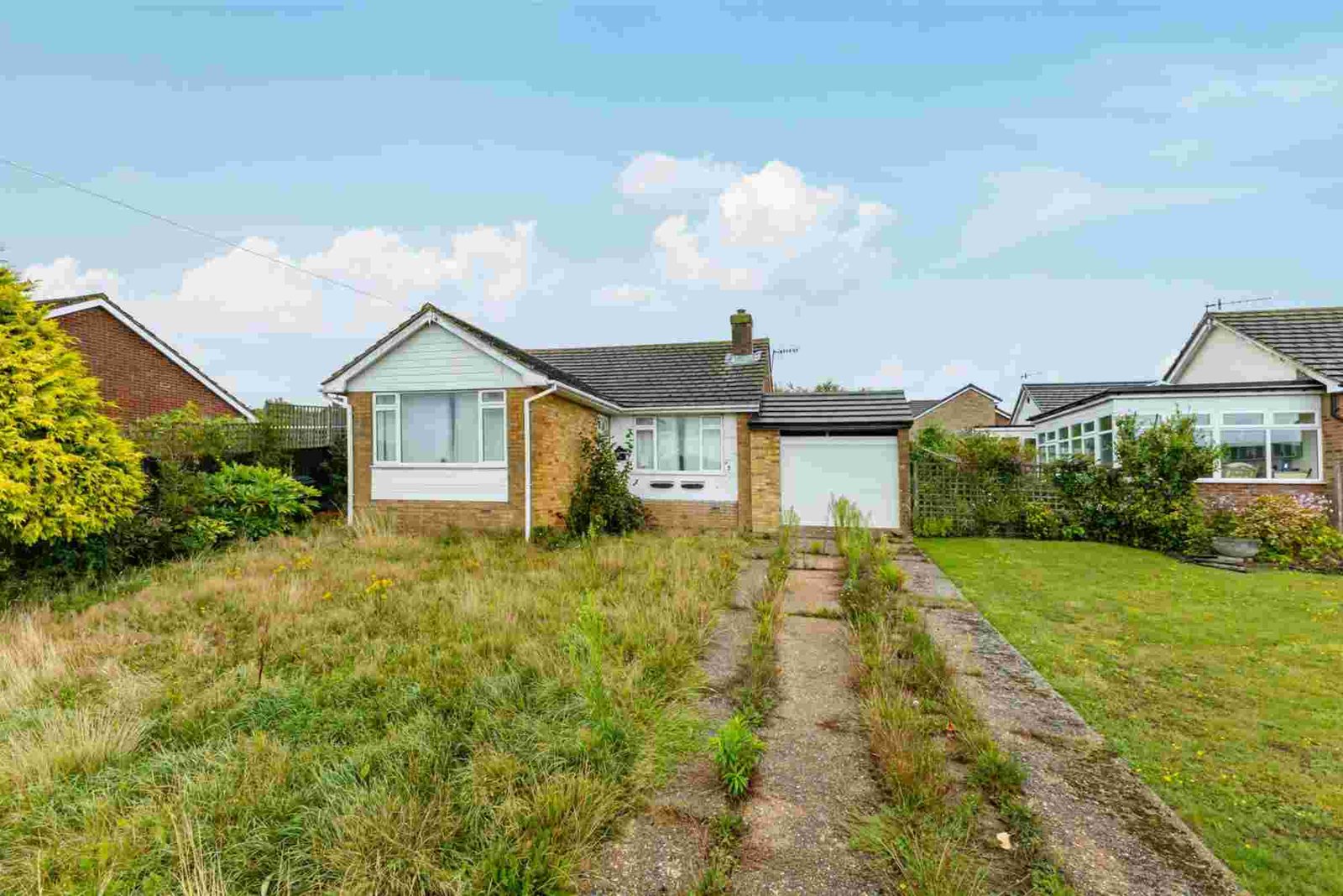
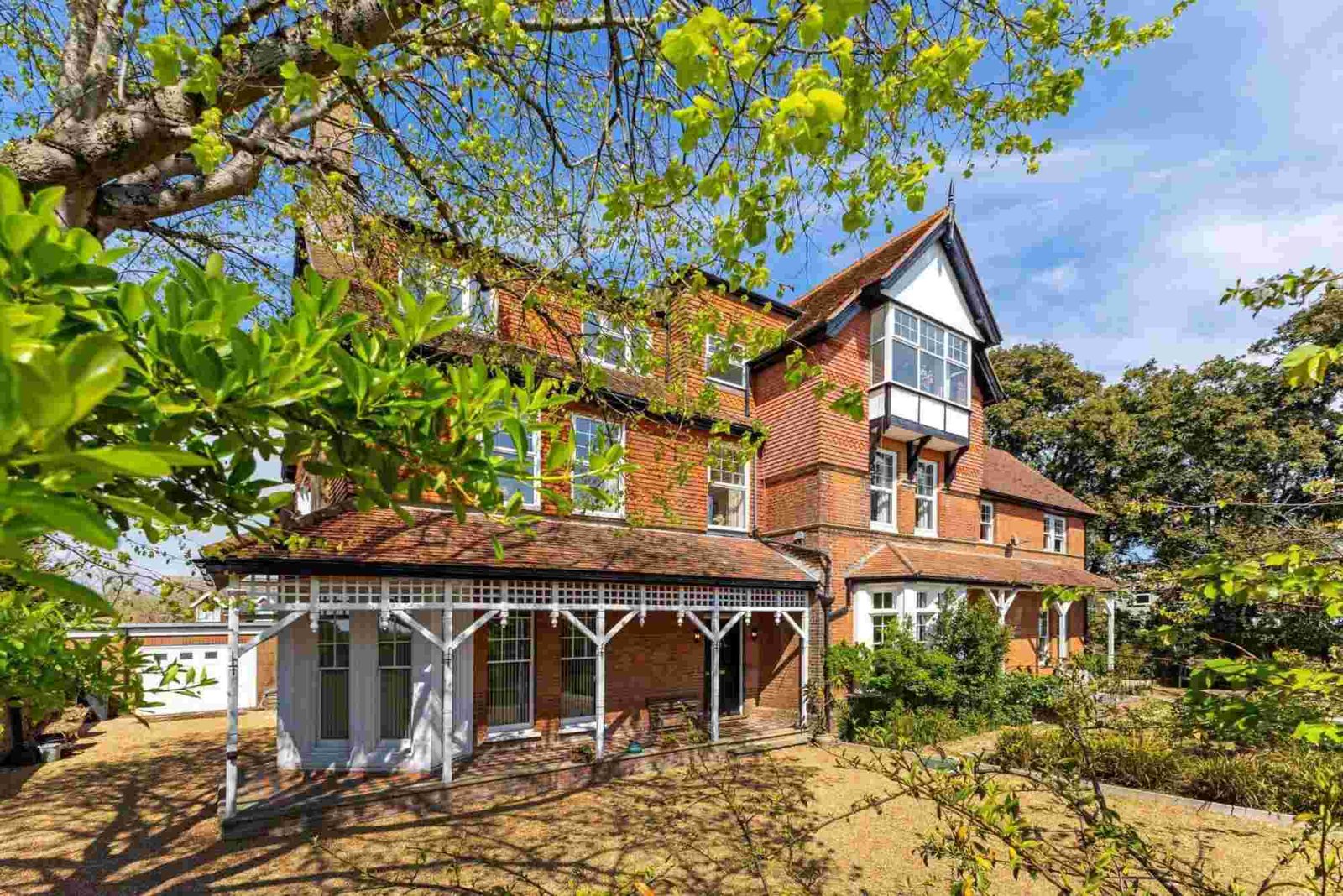
Suburban Family Homes
Outside major cities, buyers can find spacious townhouses and detached homes with gardens. Areas surrounding Haarlem and Almere offer more space at comparatively affordable prices.
Best Cities to Find Holland Property for Sale
Location plays a major role in price, rental yield, and long-term appreciation.
Amsterdam – Premium Investment Hub
Amsterdam remains the top choice for international buyers. Property prices here are the highest in the country, but demand is constant. Central canal houses are luxury investments, while outer districts offer better entry points.
Rotterdam – Modern and Growing
Rotterdam features contemporary architecture and a dynamic port economy. Property prices are lower than Amsterdam, making it attractive for investors seeking higher rental yields.
Utrecht – Central and Charming
Utrecht combines historic charm with central location advantages. It’s a favorite among young professionals and families.
The Hague – International Community
The Hague hosts embassies and international courts. The expat population keeps rental demand strong, especially for furnished apartments.
Current Price Trends in Holland Property for Sale
Dutch property prices vary significantly by city and property type.
- Amsterdam apartments: Premium pricing per square meter
- Rotterdam apartments: More affordable urban option
- Canal houses: High-end luxury segment
- Suburban homes: Competitive and family-friendly
Over the past decade, the Netherlands has seen consistent property appreciation. However, interest rate changes and housing supply policies can influence short-term fluctuations.
Guide to Buying Property in Holland
If you’re considering Holland property for sale, understanding the buying process is essential.
Mortgage Pre-Approval
Both residents and non-residents can apply for Dutch mortgages, though requirements differ. Banks assess income, credit history, and residency status.
Hiring a Real Estate Agent
A local agent understands neighborhood pricing and bidding practices. In competitive cities like Amsterdam, professional guidance is crucial.
Making an Offer
The Dutch market often operates through sealed bids. Overbidding may be necessary in high-demand areas.
Signing the Purchase Agreement
After offer acceptance:
- A 10% deposit is typically required
- A three-day cooling-off period applies
- Notary finalizes the transaction
Transfer of Ownership
Ownership officially transfers at the notary’s office and is registered in the Dutch Land Registry.
Costs Involved in Buying Holland Property for Sale
Beyond the property price, buyers must consider:
- Transfer tax (generally 2% for owner-occupiers)
- Notary fees
- Mortgage advisor costs
- Valuation reports
- Real estate agent commission (if applicable)
Investors purchasing rental property may face higher transfer taxes.
Investment Potential and Rental Yields
Holland property for sale remains attractive due to:
- Strong tenant protection laws
- Reliable rental income
- Long-term capital appreciation
Rental yields vary:
- Amsterdam: Lower yields but high capital growth
- Rotterdam: Higher rental returns
- University cities: Stable student demand
Short-term rentals are regulated, particularly in Amsterdam, so investors must verify local laws.
Risks and Considerations
No property investment is risk-free.
Market Competition
Bidding wars can push prices above valuation.
Energy Regulations
The Netherlands emphasizes sustainability. Older canal houses may require energy efficiency upgrades.
Tax Implications
International buyers should consult tax advisors regarding wealth tax and rental income obligations.
FAQs
Here are common questions people ask when searching for Holland property for sale:
Can foreigners buy property in Holland?
Yes. There are no major restrictions on foreign buyers purchasing property in the Netherlands.
How much deposit do I need to buy a house in Holland?
Typically, buyers must provide funds for transfer tax and additional costs. Mortgage financing may cover up to 100% of the property value for residents.
Is buying property in Amsterdam a good investment?
Amsterdam offers long-term capital appreciation and high rental demand, but entry prices are significantly higher than other cities.
Are canal houses expensive to maintain?
Yes. Due to age and heritage status, maintenance and renovations can be more costly than modern apartments.
How long does the buying process take?
On average, 6–10 weeks from accepted offer to ownership transfer.
From years of observing European property markets, a few practical insights stand out:
- Act Quickly: Desirable properties sell fast.
- Get Technical Inspections: Especially for canal houses.
- Understand Energy Labels: A better energy rating increases long-term value.
- Work with Local Experts: Legal and financial guidance reduces costly mistakes.
Buying property in the Netherlands is not just a financial decision — it’s a lifestyle choice. The combination of cycling culture, canals, historic architecture, and efficient public services makes ownership particularly rewarding.
Discover a world of reliable services and expert guidance at Finders. Whether you’re searching for trusted solutions, helpful resources, or the latest updates, our platform makes it easy to navigate and find exactly what you need. Start exploring today at Finders and simplify your search experience.