Introduction
Living in a studio apartment can be both exciting and challenging. The open layout allows flexibility, but without careful planning, it can feel cramped or chaotic. Arranging a studio apartment requires a balance between style, functionality, and personal comfort. In this guide, we’ll explore the best layouts for open spaces and offer practical tips for creating a cohesive and stylish living environment.
Understanding the Studio Apartment Layout
A studio apartment is typically a single open space that combines the living area, bedroom, and kitchen. Unlike traditional apartments, there are no separate walls dividing these spaces. This design offers versatility but demands strategic planning to maximize both comfort and usability. Understanding the unique features of your studio space is the first step toward a smart layout.
Maximizing Space Efficiency
Space is the biggest challenge in a studio apartment. Using multifunctional furniture, like a sofa bed or expandable dining table, can save room. Vertical storage solutions, such as tall shelving units or wall-mounted cabinets, help keep the floor clear and the space open. Lighting also plays a crucial role. Natural light makes a studio feel larger, while layered artificial lighting can define different zones.
Zoning Your Studio Apartment
Zoning is the technique of dividing the open space into functional areas without physical walls. This helps create the feeling of a traditional apartment while maintaining openness.
Living Area Placement
Start by designating a living area, usually near the main window to take advantage of natural light. Use a small sofa or loveseat with a coffee table to anchor the space. Rugs are excellent for visually defining the living zone. Consider arranging seating in a way that leaves clear pathways for movement and avoids crowding the room.
Bedroom Arrangement
The bedroom area is often the most personal and cozy part of a studio. A loft bed or a murphy bed can maximize floor space during the day. Position the bed in a corner or against a wall to create a sense of separation. Screens, curtains, or strategically placed furniture can act as room dividers, providing privacy without closing off the space completely.
Kitchen and Dining Layout
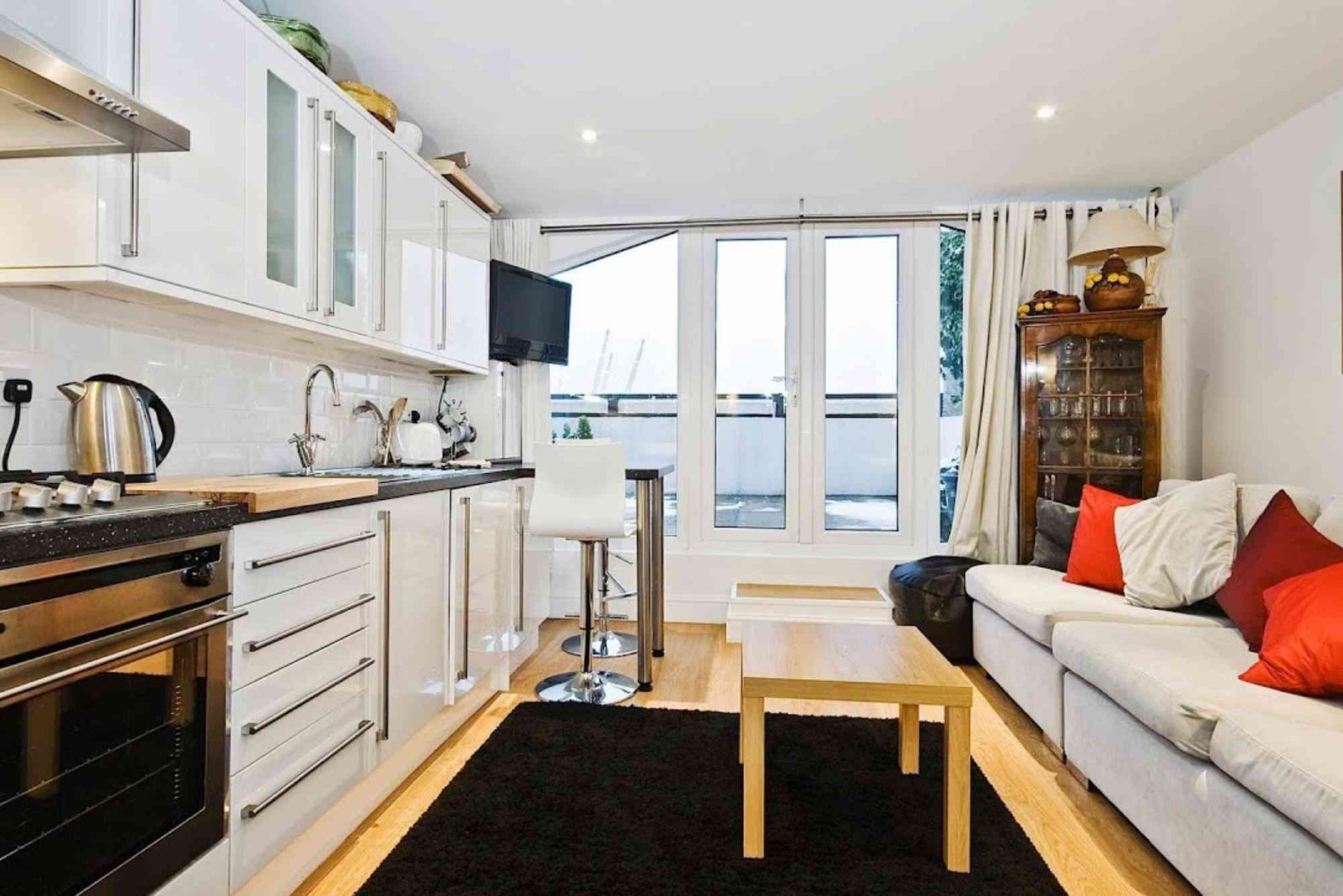
In a studio apartment, the kitchen often shares space with the living area. Open shelving or glass-front cabinets maintain an airy feel. A compact dining table or a breakfast bar with stools can serve as a dining space without overwhelming the room. Integrating the kitchen into the main layout while keeping clutter minimal is key to an organized studio.
Choosing the Right Furniture
Furniture selection in a studio apartment is crucial. Opt for pieces that are both stylish and functional.
Multifunctional Furniture
Multifunctional furniture can transform your studio into a flexible living space. Sofa beds, storage ottomans, and foldable desks allow you to adapt areas according to your needs. For instance, a foldable desk can serve as a workspace during the day and free up space in the evening.
Proportion and Scale
Choosing the right proportion is essential. Avoid oversized furniture that dominates the room. Low-profile sofas, slim chairs, and compact tables maintain a sense of openness. Transparent furniture, like glass coffee tables, adds functionality without visually crowding the space.
Decorating for Open Spaces
Decor plays a pivotal role in making a studio apartment feel cohesive and inviting. Color schemes, lighting, and decorative accents can enhance the perception of space.
Using Color to Define Areas
Colors help delineate different zones without physical barriers. Light colors make the studio feel larger, while accent walls or rugs can highlight specific areas. Consistent color palettes across the apartment ensure harmony and visual flow.
Lighting to Create Ambiance
Layered lighting can transform a studio. Ambient lighting illuminates the entire space, while task lighting focuses on functional areas like the kitchen or workspace. Accent lighting, such as table lamps or LED strips, adds warmth and depth. Proper lighting creates an illusion of larger, distinct areas.
Incorporating Storage Without Clutter
Storage is essential in a studio apartment. Use vertical storage, under-bed drawers, and multipurpose furniture to keep belongings organized. Avoid cluttering surfaces, as visual chaos can make the space feel smaller. Open shelving with neatly arranged items can be both functional and decorative.
Layout Tips for Open Spaces
Designing the layout of a studio apartment requires careful consideration of traffic flow, furniture placement, and lifestyle needs.
Creating Clear Pathways
Ensure there are clear pathways for movement between zones. Avoid blocking the entryway, bed, or kitchen. Minimalist furniture and thoughtful positioning improve both function and aesthetics.
Balancing Function and Comfort
Each zone in the studio should balance functionality with comfort. The living area should accommodate relaxation, the bedroom should offer privacy and rest, and the kitchen should remain accessible and efficient. Avoid overcrowding the space with unnecessary furniture.
Utilizing Corners and Nooks
Corners can be transformed into cozy reading areas, small workspaces, or storage zones. Adding a chair, lamp, or small desk in unused corners maximizes every inch of your studio.
Practical Layout Examples
Several layout strategies work particularly well in studio apartments.
Z-Shaped Layout
This layout separates the apartment into three zones: living, sleeping, and kitchen/dining. Each area is distinct yet flows naturally, allowing for functional separation.
Linear Layout
In a linear layout, zones are arranged in a straight line, often along one wall. This works well in narrow studios, maintaining an open feel while providing clear functional areas.
Central Living Layout
Here, the living area occupies the center, with the bedroom and kitchen around it. This approach emphasizes a social and communal feel, ideal for entertaining.
Decor Tips for Style and Functionality
A studio apartment should feel stylish without sacrificing usability.
Minimalism and Decluttering
Minimalist design works best in small open spaces. Limit the number of decorative items and focus on essential furniture. This approach keeps the apartment airy and visually appealing.
Mirrors to Enhance Space
Mirrors reflect light and create the illusion of depth. Placing a mirror opposite a window or along a wall can instantly make your studio feel larger.
Textiles for Warmth
Rugs, curtains, and throws soften the space while defining separate areas. Layered textiles add texture and warmth, making a studio feel comfortable and homey.
Maintaining a Functional Studio Apartment
Once your layout is set, keeping it organized is essential.
Regular Decluttering
Regularly evaluate your belongings and remove items you no longer use. Clutter-free surfaces enhance the feeling of space.
Flexible Furniture Adjustments
Studio living often requires flexibility. Be willing to rearrange furniture as your needs change. Modular furniture makes this process easier and more efficient.
Routine Cleaning
A clean studio instantly feels larger and more inviting. Maintain tidy surfaces, organize storage areas, and keep the floor clear. Small, consistent cleaning habits make a big difference.
Arranging a studio apartment successfully combines strategy, creativity, and practicality. By zoning spaces, choosing multifunctional furniture, and emphasizing organization, you can turn an open layout into a comfortable, stylish home. Thoughtful color schemes, lighting, and decorative accents further enhance functionality and aesthetics. With careful planning, even the smallest studio apartment can feel spacious, inviting, and highly livable. Start experimenting with layouts today and make your studio apartment a reflection of your personal style. Transform your open space into a home you love.
FAQs
How can I make a small studio apartment feel larger?
Use light colors, mirrors, and multifunctional furniture. Keeping pathways clear also enhances the feeling of space.
What is the best way to separate bedroom and living areas in a studio?
Use furniture as dividers, curtains, or rugs to define areas while keeping the space open.
Can a studio apartment accommodate a full-size bed?
Yes, but consider a loft bed, murphy bed, or low-profile furniture to maximize floor space.
How should I arrange furniture in a narrow studio?
Place furniture along the walls to maintain clear pathways. Linear layouts work well for narrow studios.
What storage solutions work best in a studio apartment?
Vertical storage, under-bed drawers, multipurpose furniture, and open shelving help organize items efficiently.