Introduction
Furnishing a studio apartment can feel overwhelming due to its limited space. Unlike larger homes, a studio requires careful planning to maximize every square foot while keeping the space functional and stylish. With the right approach, your studio can feel spacious, organized, and comfortable. In this guide, we will explore essential furniture choices, layout strategies, and design ideas to make the most of your studio apartment.
Understanding Your Studio Space
Before selecting furniture, it’s vital to understand your studio’s dimensions and layout. Measure the length and width of the apartment, including wall lengths and window placements. Knowing your space allows you to choose appropriately sized furniture and avoid overcrowding. Consider the natural flow of movement and identify areas for key functions such as sleeping, dining, working, and relaxing. Using a floor plan or digital layout tool can help visualize the arrangement before purchasing items.
Understanding your lighting options is equally important. Natural light can make a small studio feel larger, while strategically placed lamps and overhead lights enhance ambiance. Consider how each piece of furniture might block or complement light sources, as well as how the furniture arrangement influences the perception of space.
Choosing Essential Furniture for a Studio Apartment
When furnishing a studio, every item must serve a purpose. Prioritize multi-functional furniture that saves space and adds utility. For instance, a sofa bed or a Murphy bed allows a comfortable sleeping area without sacrificing living space. Opt for furniture with built-in storage, such as ottomans, coffee tables, or beds with drawers, to reduce clutter.
Select pieces that fit the scale of the room. Large, bulky furniture can overwhelm a small studio, making it feel cramped. Low-profile seating and open-frame furniture create a sense of openness. Transparent materials, like acrylic chairs or glass tables, help maintain visual flow and prevent the space from appearing cluttered.
Creating Functional Zones in a Studio
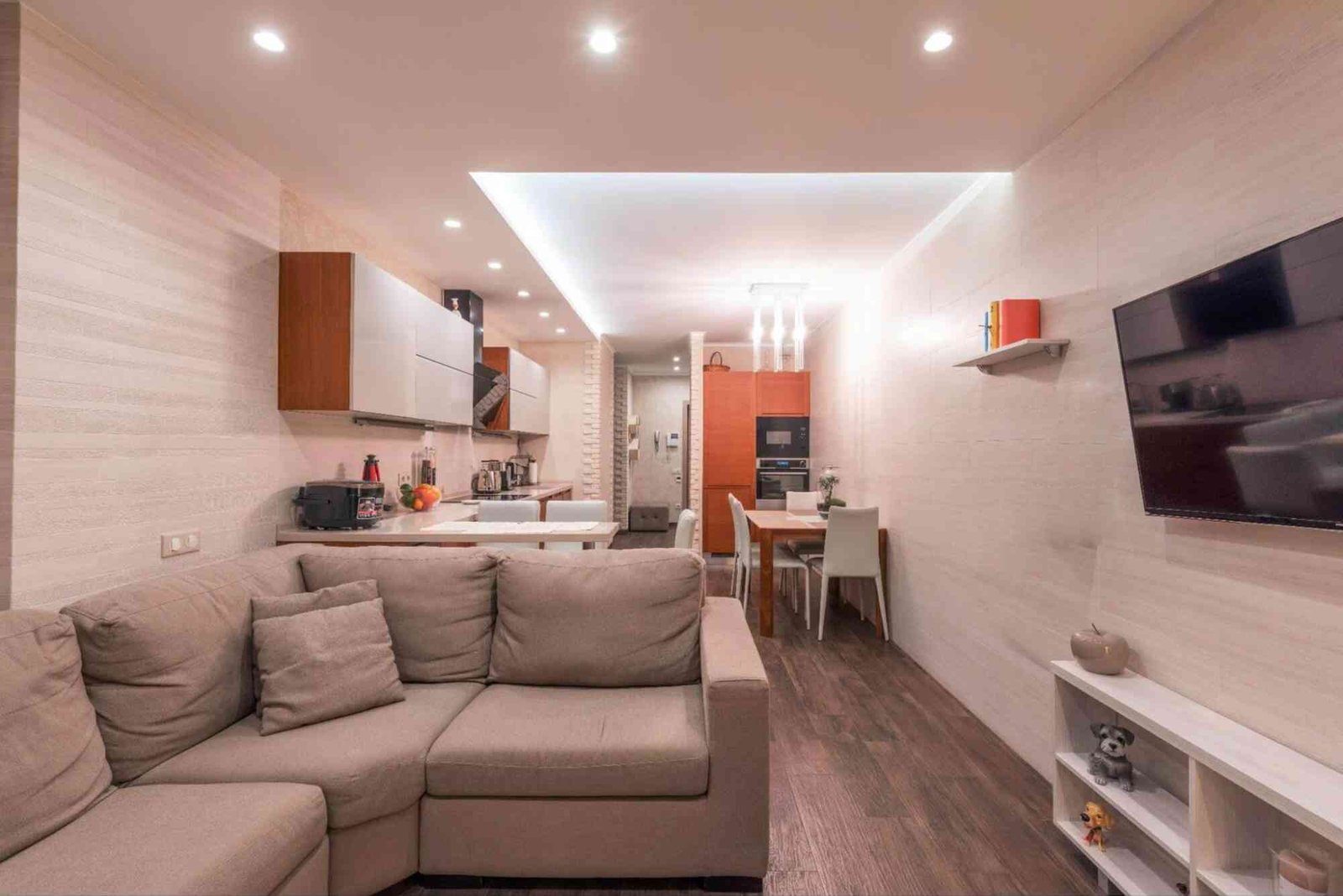
Zoning is crucial in studio apartments to separate different functions. Without walls, visual cues and furniture placement can define distinct areas. Position the bed in a corner or against a wall to create a dedicated sleeping zone. Use area rugs to mark living or dining spaces, adding texture and visual separation.
Flexible furniture arrangements can help transition zones smoothly. For example, a small dining table can double as a work desk, and a bookshelf can act as a divider between the living area and sleeping area. Curtains or sliding panels can also provide temporary separation while maintaining flexibility.
Smart Storage Solutions
Storage is one of the most critical aspects of studio apartment design. Utilize vertical space by installing wall shelves, tall bookcases, or overhead cabinets. Multi-purpose furniture with hidden storage, like storage beds or lift-top coffee tables, maximizes utility without compromising space.
Hooks, pegboards, and modular storage units can keep frequently used items accessible while reducing clutter. Opt for open storage in some areas to display decorative items, making the space feel personalized rather than cramped. Always maintain a balance between storage and open space to ensure the apartment remains airy and comfortable.
Selecting a Color Scheme and Style
A cohesive color scheme helps unify a small space. Light, neutral colors reflect light and make the studio feel more spacious. Adding pops of color through accessories like cushions, rugs, and wall art creates personality without overwhelming the room. Monochromatic or complementary palettes help maintain a sense of flow throughout the apartment.
Consider the style that suits your lifestyle. Minimalist designs often work well in small studios because they focus on functionality and reduce visual clutter. However, incorporating elements of your personal style, such as a vintage chair or modern art piece, ensures the space feels like home rather than a showroom.
Lighting and Ambiance
Effective lighting transforms a studio apartment. Layered lighting with a mix of ambient, task, and accent lighting improves functionality and mood. Overhead lights provide general illumination, while floor lamps and desk lamps highlight specific zones.
Mirrors are another powerful tool. They reflect light and create the illusion of a larger space. Placing a mirror opposite a window amplifies natural light and adds depth. LED strips under shelves or cabinets can create subtle accent lighting, enhancing the overall ambiance without taking up space.
Arranging Furniture for Optimal Flow
Proper furniture placement ensures comfort and accessibility. Avoid blocking pathways, windows, or doors, as this can make the space feel restricted. Arrange seating areas to encourage social interaction while leaving enough open space for movement.
Consider angled or diagonal arrangements for furniture instead of aligning everything against walls. This approach can create visual interest and make a studio feel more dynamic. Keep frequently used items within reach and store less frequently used items in hidden storage to maintain a clutter-free environment.
Incorporating Multipurpose Elements
Multipurpose furniture is a game-changer in studio apartments. For instance, a foldable dining table doubles as a workspace, while a sleeper sofa allows a living area to convert into a guest bedroom. Nesting tables, stackable chairs, and modular sofas offer flexibility to adapt the space to your needs.
Even decorative items can serve practical functions. Large baskets or decorative boxes can store blankets, magazines, or clothing while contributing to the aesthetic. Every piece in a studio should have a purpose, enhancing both design and functionality.
Adding Personal Touches Without Clutter
Personalization makes a studio apartment feel like home. Choose artwork, cushions, plants, and rugs that reflect your personality. Vertical arrangements, like wall-mounted shelves or hanging planters, add character without taking up floor space.
Keep surfaces minimal to prevent a cluttered look. Display only meaningful items and rotate accessories seasonally to refresh the space. A carefully curated environment can balance practicality with style, creating a comfortable and inviting studio.
Maintaining Comfort and Functionality
A studio apartment should feel livable, not just stylish. Comfortable seating, quality bedding, and functional workspace areas enhance daily life. Pay attention to ergonomics, especially if the studio doubles as a home office.
Ensure that each zone supports its function. A reading corner with a cozy chair, good lighting, and a small table can become a sanctuary within the studio. Similarly, a compact dining area should allow easy seating and movement. Prioritize comfort to make the space enjoyable, not just visually appealing.
Furnishing a studio apartment requires a blend of strategy, style, and creativity. By understanding your space, selecting multi-functional furniture, and creating well-defined zones, you can transform even the smallest studio into a functional and inviting home. Smart storage solutions, cohesive design choices, and personalized touches will enhance both the look and feel of the apartment. With thoughtful planning and the right furniture, your studio can achieve the perfect balance of comfort, style, and efficiency. Start planning your studio apartment today by sketching your floor layout and identifying key furniture pieces. Explore multi-functional options to make your space stylish, practical, and uniquely yours.
FAQs
How do I make a small studio apartment feel bigger?
Use light colors, mirrors, and minimal furniture. Multi-functional pieces and vertical storage create an open, airy feel.
What is the most essential furniture in a studio apartment?
A sofa bed or Murphy bed, a small dining/work table, and storage solutions like shelves or ottomans are key essentials.
How can I separate different areas in a studio apartment?
Use rugs, curtains, furniture placement, or shelving units to define living, sleeping, and dining zones.
What storage ideas work best in a studio?
Vertical shelving, under-bed storage, wall hooks, and multi-purpose furniture maximize space without cluttering the studio.
Can a studio apartment feel stylish and functional at the same time?
Yes. With cohesive colors, smart furniture choices, and thoughtful layout, a studio can be both aesthetically pleasing and highly functional.