Introductio
Finding the right apartment can feel exciting and stressful at the same time. Many renters struggle with paperwork, approvals, and understanding lease terms. However, learning how to lease an apartment properly can make the entire process smoother and faster.
Whether you are renting your first apartment or moving to a new city, preparation matters. Landlords often review applications carefully before approving tenants. Therefore, understanding each step gives you a better chance of securing the apartment you want.
Understanding the Apartment Leasing Process
Before starting your apartment search, it helps to understand how leasing works. A lease is a legal agreement between a tenant and a landlord. It explains the rent amount, lease length, rules, and responsibilities.
Most apartment leases last 12 months, although some landlords offer shorter or longer terms. Once you sign the lease, you agree to follow the property rules and pay rent on time. Knowing how to lease an apartment helps you avoid mistakes that may delay approval. It also helps you identify unfair lease terms before committing to a rental property.
Determine Your Budget Before Applying
One of the most important steps in apartment leasing is setting a realistic budget. Many renters focus only on monthly rent, but additional costs can quickly add up. You should calculate utility bills, internet, parking fees, renter’s insurance, and moving expenses. Most financial experts recommend spending no more than 30 percent of your monthly income on housing.
Landlords also use income requirements during screening. Many properties require tenants to earn at least three times the monthly rent. Therefore, checking your finances early prevents disappointment later. When planning your budget, leave room for emergency expenses. Unexpected costs can happen during a lease term, especially after moving into a new apartment.


Research Apartments Carefully
Apartment research takes time, but it protects you from future problems. Start by comparing locations, rental prices, amenities, and neighborhood safety. Online reviews can provide helpful insights about management quality and maintenance response times. However, visiting the property in person gives you the most accurate impression.
Pay attention to noise levels, parking availability, and building conditions during your visit. Also, ask current tenants about their experiences if possible. Understanding how to lease an apartment includes learning how to identify warning signs. Poor maintenance, unclear fees, and rushed leasing agents may indicate future issues.
Prepare the Required Documents
You typically need proof of income, government identification, bank statements, and employment verification. Some landlords also request previous rental history and personal references. Having these documents prepared shows responsibility and organization. It can also help you secure an apartment before another applicant does.
If you are self-employed, landlords may request tax returns or additional financial records. International renters may also need visa or passport documentation. Learning how to lease an apartment successfully often comes down to preparation and quick response times.
Understand Credit and Background Checks
A strong credit score can improve your chances of approval. However, lower credit scores do not always mean rejection. Some landlords approve tenants with larger deposits or co-signers. Background checks may include criminal history, eviction records, and previous landlord feedback. Therefore, honesty during the application process is important.
Before applying, review your credit report for errors. Correcting inaccurate information can improve your approval chances significantly. Understanding how to lease an apartment also means knowing what landlords look for during tenant screening.
Complete the Apartment Application Properly
Always double-check your income details, contact information, and rental history before submitting the form. Inconsistent information may raise concerns for landlords. Application fees are common and usually non-refundable. Therefore, apply only to apartments that truly match your budget and needs.
If possible, include a short introduction about yourself. Some landlords appreciate learning about applicants beyond the paperwork. Strong communication can make a positive impression during the leasing process.
What Happens After You Apply
Some apartments respond within 24 hours, while others may take several days. During this period, landlords verify employment and contact references. Stay available by phone and email in case additional information is requested. Fast responses can speed up the process.
If your application gets denied, politely ask for the reason. Understanding the issue can help improve future applications. Learning how to lease an apartment involves patience and professional communication throughout the approval stage.
Review the Lease Agreement Carefully
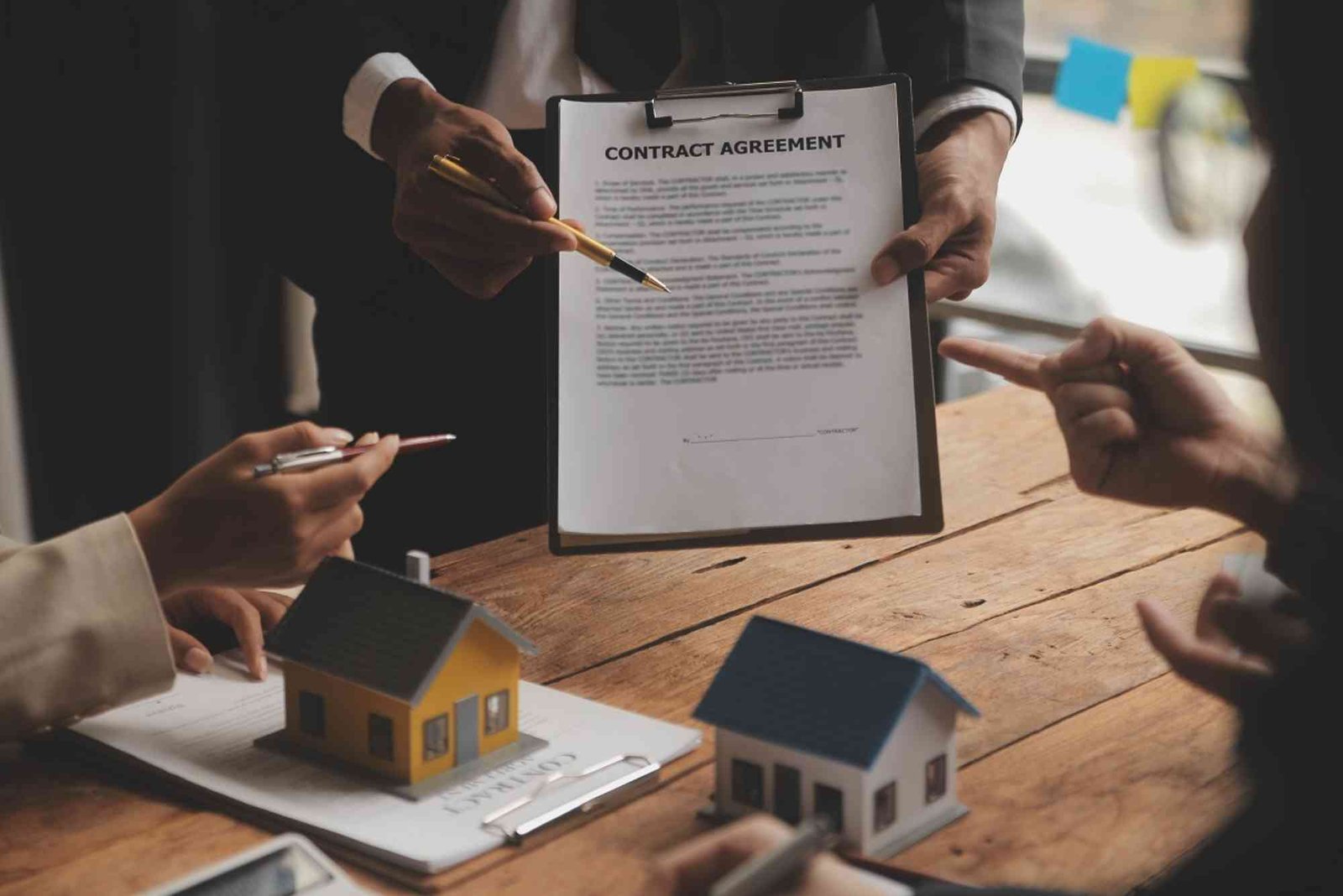
Never rush through the lease agreement. Instead, read every section slowly and ask questions about anything unclear. Pay special attention to rent due dates, late fees, maintenance responsibilities, guest policies, and renewal terms. Also, check rules regarding pets, parking, and property damage.
Many renters overlook small details that later become major problems. Therefore, understanding your lease protects you from future misunderstandings. If necessary, ask for a copy of the lease before signing. Taking time to review it calmly can prevent costly mistakes.
Important Lease Terms to Understand
Lease agreements often include legal language that confuses first-time renters. However, understanding common terms is essential. The security deposit section explains how much money you must pay upfront and the conditions for refunds. Some states also regulate how landlords handle deposits. The lease term specifies how long you agree to stay in the apartment. Breaking the lease early may result in financial penalties.
Maintenance clauses explain who handles repairs and how tenants should report issues. Knowing these details helps avoid disputes later. Understanding these terms is a major part of learning how to lease an apartment responsibly.
Inspect the Apartment Before Signing
Before signing the lease, inspect the apartment carefully. Even if the property looks clean, hidden problems may exist. Check appliances, faucets, windows, locks, lights, and air conditioning systems. Look for signs of water damage, pests, or mold. Take photos of any existing damage before moving in. This documentation can protect your security deposit when you move out later.
A detailed inspection also gives you confidence that the apartment matches what was promised during the tour. If repairs are needed, request written confirmation that management will address them before your move-in date.
Understand Move-In Costs
Many renters underestimate the upfront costs of leasing an apartment. Besides monthly rent, you may need to pay several additional fees. Move-in expenses often include a security deposit, first month’s rent, application fees, pet deposits, and utility setup charges.
Some buildings also charge administrative or parking fees. Therefore, ask for a full breakdown of costs before signing the lease. Planning these expenses early helps reduce financial stress during the moving process.
Sign the Lease and Keep Copies
After reviewing everything carefully, you can sign the lease agreement. Once signed, the contract becomes legally binding. Always keep digital and printed copies of the signed lease. You may need them later for disputes, renewals, or proof of residence. After signing, confirm your move-in date, key pickup instructions, and utility setup requirements with management.
Congratulations, you have officially completed the apartment leasing process. Understanding how to lease an apartment becomes much easier after experiencing the process once.
Tips for a Smooth Renting Experience
Successful renting continues even after signing the lease. Paying rent on time and communicating professionally with management can improve your rental history. Keep records of payments, maintenance requests, and important emails. Good documentation protects both tenants and landlords.
Finding trusted local services and businesses in the UAE is now easier with Finders.ae. From home services to professional solutions, the platform helps users discover reliable options quickly. Explore useful guides, business listings, and expert recommendations to make smarter decisions for your daily needs and lifestyle.
Conclusion
Learning how to lease an apartment from application to signing the contract helps renters avoid unnecessary stress and confusion. Preparation, organization, and careful review are the keys to a successful leasing experience. From budgeting and paperwork to lease inspections and contract reviews, every step matters. Understanding the process also gives you more confidence when communicating with landlords and property managers.
Keeping your dog happy in an apartment takes daily exercise, mental stimulation, and a consistent routine. Regular walks, interactive toys, and dedicated playtime can prevent boredom and anxiety. Following helpful advice from How to Keep a Dog in an Apartment Happy: Exercise and Routine Tips will help create a comfortable, active lifestyle for your furry friend while improving their overall health and behavior indoors.
FAQs
How long does it take to lease an apartment?
The apartment leasing process usually takes between one and seven days. Approval speed depends on background checks, document verification, and landlord response times.
What credit score is needed to lease an apartment?
Many landlords prefer credit scores above 620. However, some apartments accept lower scores with additional deposits or co-signers.
Can I lease an apartment without rental history?
Yes, first-time renters can still qualify. Landlords may request proof of stable income, references, or a co-signer.
What documents are required for apartment applications?
Most landlords require identification, proof of income, bank statements, employment verification, and rental references.
Should I read the lease before signing?
Yes, always read the lease carefully. Understanding the terms helps avoid hidden fees, penalties, and future disputes.
What happens after signing an apartment lease?
After signing, tenants usually pay move-in costs, schedule utility setup, and receive move-in instructions from management.