Introduction
Managing an apartment building requires organization, communication, and consistent attention to detail. Property owners and managers must handle daily operations, tenant relationships, rent collection, repairs, and legal responsibilities. When done correctly, apartment management improves tenant satisfaction and increases property value over time.
Understanding How to Manage an Apartment Building: Operations, Tenants, and Maintenance is essential for both new landlords and experienced property investors. A well-managed apartment building attracts quality tenants, reduces vacancies, and creates steady long-term income.
Understanding Apartment Building Management
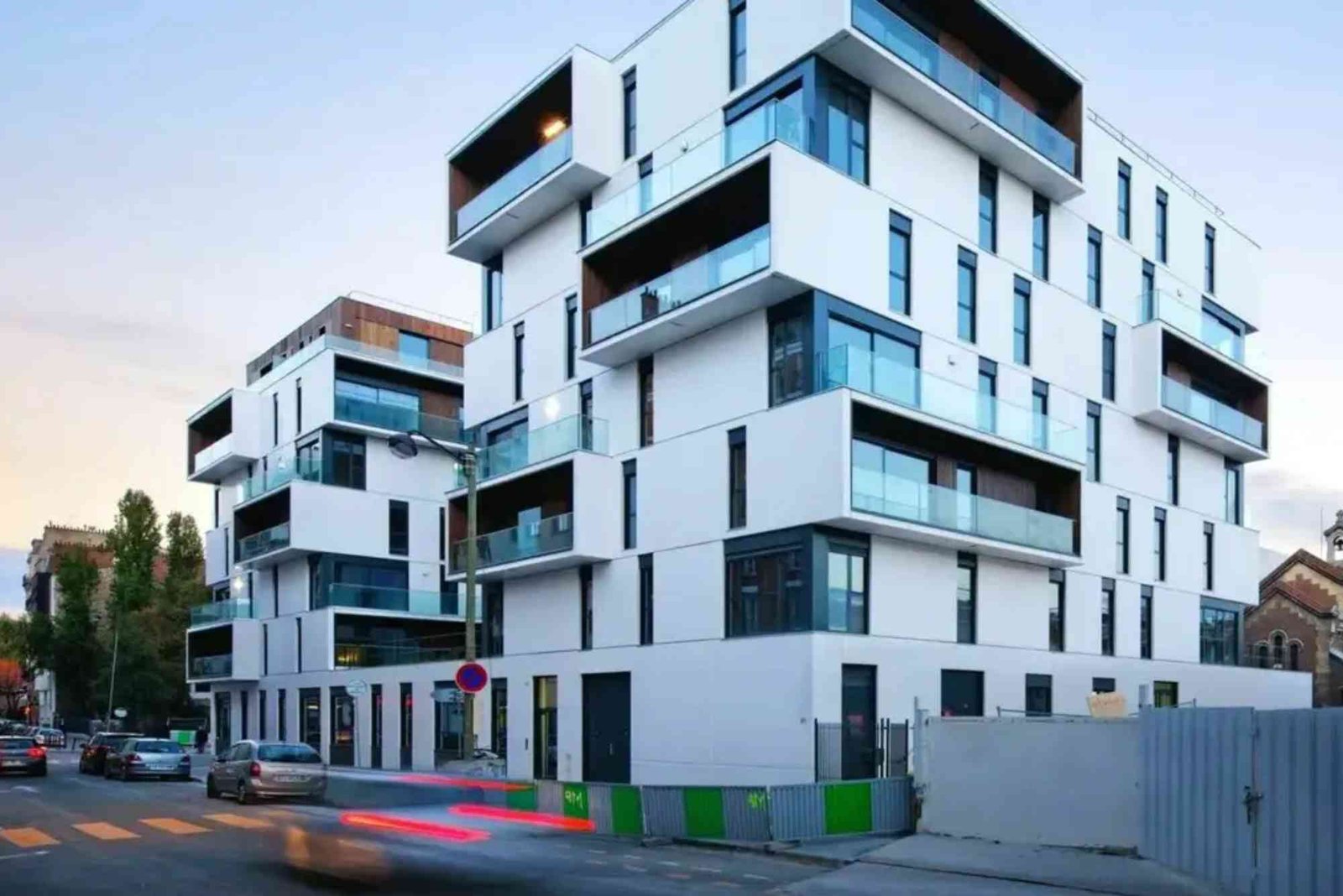
Apartment building management involves overseeing every part of the property. This includes finances, maintenance, tenant communication, and legal compliance. Property managers must ensure the building operates smoothly every day.
Learning How to Manage an Apartment Building: Operations, Tenants, and Maintenance starts with creating clear procedures. Organized systems reduce stress and improve efficiency. Property owners should document rent schedules, maintenance routines, lease agreements, and emergency contacts. A successful apartment building manager focuses on three major areas. These include operational management, tenant management, and maintenance management. Balancing these areas keeps the property profitable and attractive.
Creating Efficient Property Operations
Efficient operations are the foundation of successful apartment management. Daily operations include rent collection, budgeting, scheduling repairs, managing staff, and maintaining records. Property owners should establish clear financial systems. Tracking income and expenses helps monitor profitability. Digital accounting software simplifies bookkeeping and generates useful financial reports.
Rent collection must remain consistent and professional. Online payment systems make transactions easier for tenants and reduce delays. Automated reminders also help tenants pay on time. Another important operational task is lease management. Lease agreements should clearly explain rules, rent terms, pet policies, and maintenance responsibilities. Clear leases reduce misunderstandings and legal disputes.


Communication is equally important in apartment operations. Tenants appreciate quick responses and regular updates. Sending notices about repairs, inspections, or policy changes improves transparency. Security management also plays a major role. Apartment managers should ensure working locks, proper lighting, and secure entry systems. Safety creates trust among residents and improves tenant retention.
Managing Apartment Finances Properly
Reserve funds are extremely important. Unexpected plumbing leaks, roof damage, or electrical problems can occur anytime. Emergency savings help property owners handle repairs quickly. Tracking late payments is another essential task. Managers should follow a consistent late fee policy outlined in the lease agreement. Professional handling of payment issues prevents tenant conflicts.
Property owners should also review rental rates regularly. Comparing local market prices helps ensure competitive rent levels. Charging fair market rent increases occupancy while maintaining profitability. Learning How to Manage an Apartment Building: Operations, Tenants, and Maintenance also includes understanding investment performance. Monitoring occupancy rates, maintenance costs, and tenant turnover helps managers improve financial results.
Finding and Retaining Quality Tenants
Good tenants are one of the biggest assets for any apartment building. Reliable residents pay rent on time, follow property rules, and take care of their units. Tenant screening is critical during the leasing process. Managers should verify employment, income, rental history, and references. Background checks also help reduce risks.
Clear communication during tenant onboarding creates positive relationships. New residents should understand building policies, parking rules, maintenance procedures, and emergency contacts. Tenant retention is equally important. Finding new tenants often costs more than keeping existing residents. Happy tenants are more likely to renew leases and recommend the property to others.
Handling Tenant Complaints Professionally
Tenant complaints are unavoidable in apartment management. Noise issues, parking disputes, maintenance delays, and neighbor conflicts are common concerns. Managers should listen carefully before making decisions. Understanding both sides of a situation helps resolve problems fairly. Calm communication prevents conflicts from escalating. Written documentation is extremely helpful. Keeping records of complaints, inspections, and resolutions protects both the manager and tenants.
Consistency is also important. Rules should apply equally to all residents. Favoritism often creates tension among tenants. In serious situations, managers may need legal guidance. Lease violations, property damage, or repeated disturbances sometimes require formal action.
Building a Preventive Maintenance System
Maintenance is one of the most important parts of apartment management. Preventive maintenance reduces costly repairs and keeps tenants satisfied. A preventive maintenance schedule should include plumbing inspections, HVAC servicing, electrical checks, roof inspections, and pest control. Regular inspections identify small problems before they become major expenses.
Clean common areas also improve resident satisfaction. Hallways, elevators, staircases, and parking areas should remain clean and safe. Seasonal maintenance is equally important. Winter preparation may include pipe insulation and heating inspections. Summer maintenance often involves air conditioning checks and landscaping.
Managing Emergency Repairs Efficiently
Emergency repairs require immediate attention. Water leaks, electrical failures, gas issues, or security problems can threaten tenant safety. Managers should create an emergency response plan. Tenants must know who to contact after hours. Emergency numbers should remain easily accessible.
Quick responses during emergencies protect both tenants and property value. Delays often increase repair costs and damage tenant trust. Managers should also maintain emergency supplies when possible. Flashlights, basic tools, and shut-off instructions can help during urgent situations.
Using Technology for Apartment Management
Technology simplifies many parts of apartment management. Modern software helps automate rent collection, maintenance requests, lease tracking, and financial reporting. Tenant portals improve communication and convenience. Residents can pay rent, submit maintenance requests, and receive updates online.
Smart security systems also improve building safety. Cameras, digital locks, and remote monitoring provide additional protection for tenants and property owners. Maintenance tracking software helps managers organize repair schedules and monitor contractor performance. Digital records improve accountability and efficiency.
Understanding Legal Responsibilities
Apartment managers must follow local housing laws and landlord regulations. Legal compliance protects property owners from fines and lawsuits. Fair housing laws require equal treatment of all applicants and tenants. Discrimination based on race, religion, gender, disability, or family status is illegal.
Lease agreements should comply with local regulations. Security deposit rules, eviction procedures, and notice periods vary by location. Managers should also understand health and safety codes. Fire alarms, emergency exits, smoke detectors, and sanitation standards must meet legal requirements.
Improving Long-Term Property Value
Finding trusted local services and businesses online is easier when you use reliable platforms that save time and offer verified information. Whether you are searching for restaurants, real estate, shopping, or professional services, Finders.ae helps users connect with the right businesses across the UAE. Explore updated listings, useful details, and a smooth browsing experience all in one place.
Regular inspections help maintain building condition. Small cosmetic updates prevent the property from appearing outdated. Strong tenant relationships also contribute to property value. Buildings with stable occupancy and positive reputations often generate better returns. Managers who understand How to Manage an Apartment Building: Operations, Tenants, and Maintenance focus on consistent improvement instead of temporary fixes.
Conclusion
Managing an apartment building requires patience, organization, and strong communication skills. Successful property management involves balancing operations, tenant relationships, and maintenance responsibilities every day. Property owners who create efficient systems can reduce stress and improve profitability. Preventive maintenance, professional tenant communication, and smart financial planning help apartment buildings operate smoothly.
If city noise keeps disturbing your peace, learning How to Make Apartment Windows Soundproof: Affordable Noise-Blocking Options can help create a quieter and more relaxing home environment. Simple solutions like weather stripping, soundproof curtains, and window inserts are budget-friendly ways to reduce outside noise. You can also explore more home improvement ideas through our guide on smart apartment living tips for better comfort and privacy.
FAQs
What is the most important part of managing an apartment building?
The most important part is maintaining strong communication and consistent operations. Tenants expect timely maintenance, clear policies, and professional management.
How often should apartment buildings be inspected?
Most apartment buildings should receive inspections every three to six months. Seasonal inspections also help identify maintenance issues early.
How can landlords reduce tenant turnover?
Landlords can reduce turnover by responding quickly to maintenance requests, maintaining clean common areas, and treating tenants respectfully.
What are common maintenance problems in apartment buildings?
Common issues include plumbing leaks, HVAC failures, electrical problems, roofing damage, and pest control concerns.
Should apartment managers use property management software?
Yes, property management software improves organization, rent collection, maintenance tracking, and communication efficiency.
How do apartment managers handle late rent payments?
Managers usually send reminders, apply lease penalties when necessary, and maintain professional communication throughout the process.