Introduction
Potty training a dog in an apartment can feel challenging, especially if you are dealing with limited space, busy schedules, or a new puppy. However, with consistency, patience, and the right approach, your dog can learn to relieve itself in appropriate places without stress or accidents. Apartment living requires a combination of indoor and outdoor methods to ensure your dog adapts quickly, stays healthy, and your home remains clean. This guide offers step-by-step instructions and practical tips to make potty training manageable and successful.
Understanding Your Dog’s Bathroom Needs
Before beginning any training, it is essential to understand your dog’s natural bathroom habits. Puppies, senior dogs, and adult dogs each have unique schedules and needs. Puppies often need to go every 1–2 hours, while adult dogs can hold their bladder for longer periods. Recognizing signs like sniffing, circling, or whining can help you anticipate when your dog needs to go. Keeping a consistent schedule for feeding and bathroom breaks supports quicker learning and reduces accidents in your apartment.
Setting Up a Potty Area Indoors
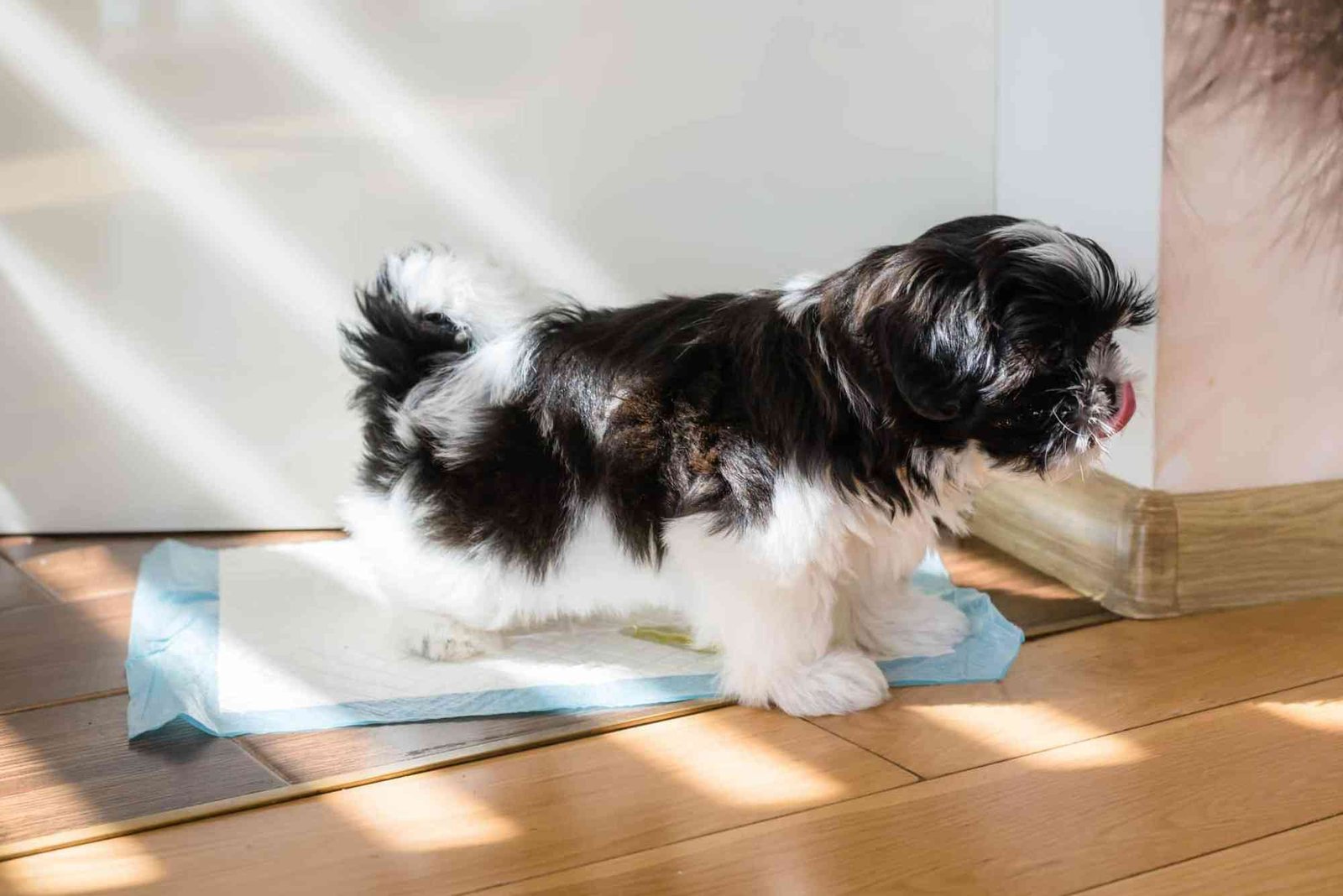
For many apartment dwellers, creating an indoor potty area is a practical solution, especially when outdoor access is limited. Start by selecting a dedicated spot, such as a bathroom corner, laundry area, or balcony. Use puppy pads, artificial grass mats, or litter boxes designed for dogs. Ensure the area is easy to clean and always accessible. Introducing your dog to this area regularly helps them understand it as a proper bathroom spot. Consistency is crucial; take your dog to this space immediately after meals, playtime, and naps. Positive reinforcement, like treats and praise, encourages your dog to use the indoor potty area confidently.
Using Outdoor Methods Effectively
Even if indoor methods are convenient, outdoor potty training remains important. It provides fresh air, exercise, and helps reinforce good habits. Establish a routine by taking your dog outside at specific times each day. Always choose a consistent spot for bathroom breaks to build association. When your dog relieves itself outdoors, reward them immediately with treats and affection. Using a leash for controlled walks prevents distractions and ensures your dog focuses on the potty task. If you live on higher floors, a balcony or terrace with pee pads or artificial grass can simulate an outdoor environment for your dog.
Combining Indoor and Outdoor Training
For apartment living, the best results often come from combining indoor and outdoor methods. Puppies especially benefit from learning both options, which gives flexibility if you cannot step outside immediately. Start by introducing indoor potty spaces for urgent needs, while still taking your dog outdoors at scheduled times. Gradually, your dog will begin to anticipate these routines, reducing accidents indoors. If accidents occur, avoid punishment; instead, clean the area thoroughly and redirect your dog to the proper potty spot. Patience and consistency are key when integrating both methods.
Maintaining a Schedule for Success
A structured daily schedule ensures consistent potty training. Feed your dog at the same times each day and take them to their potty area at predictable intervals. Early mornings, after meals, after naps, and before bedtime are crucial times for potty breaks. By following a set schedule, you teach your dog to anticipate bathroom times, which reduces anxiety and indoor accidents. Keeping a log of your dog’s potty habits can help track progress and identify patterns, making adjustments easier.
Reward-Based Training Techniques
Positive reinforcement is the most effective way to train a dog in an apartment. Whenever your dog uses the designated potty area, offer praise, treats, or gentle petting. Avoid scolding or punishment, as it can create fear and slow the training process. Consistency in rewards helps your dog associate the behavior with positive outcomes. Using verbal cues like “go potty” during bathroom times reinforces understanding and encourages independent bathroom behavior over time.
Dealing with Common Challenges
Apartment potty training comes with unique challenges. Limited outdoor access, small spaces, and distractions can make accidents more likely. Be patient, and remember that setbacks are normal. Clean up accidents immediately with enzymatic cleaners to remove odors that might attract your dog to the same spot. If your dog is resistant, consider adjusting your schedule, offering more frequent potty breaks, or consulting a professional trainer. Health issues, like urinary tract infections or digestive problems, can also affect potty habits, so regular veterinary check-ups are important.
Crate Training as a Tool
Crate training complements potty training in apartments. Dogs instinctively avoid soiling their sleeping area, making crates a valuable training tool. Introduce the crate gradually, ensuring it is comfortable and inviting. Use it for short periods initially and extend the duration as your dog adjusts. Always pair crate time with potty breaks to reinforce the connection between holding their bladder and using the appropriate bathroom spot. Crate training also helps prevent destructive behavior and provides a safe space for your dog when unsupervised.
Teaching Your Dog to Signal Bathroom Needs
Teaching your dog to signal when they need to go is particularly helpful in apartments. You can use bells, verbal cues, or gestures to communicate. For example, hang a small bell on your door and ring it every time you take your dog outside. Eventually, your dog will learn to ring the bell when they need a bathroom break. This reduces accidents and gives you better control over their schedule, making apartment living more manageable for both you and your pet.
Keeping Your Apartment Clean During Training
Maintaining a clean environment is crucial during potty training. Use washable mats, puppy pads, and easy-to-clean surfaces to manage accidents. Regularly disinfect potty areas to prevent odors and bacterial buildup. Consider air purifiers or odor-neutralizing sprays for added comfort. Keeping the apartment clean not only promotes hygiene but also reduces stress for both you and your dog, supporting a smoother training process.
Adapting Training for Different Dog Ages and Breeds
Training methods may vary depending on your dog’s age and breed. Puppies require more frequent breaks and shorter crate sessions, while adult dogs benefit from consistent routines. Small breeds may need smaller indoor potty setups, whereas larger breeds require more substantial areas. Understanding your dog’s specific needs ensures you choose the right approach and prevent frustration during training.
Consistency and Patience Are Key
Success in apartment potty training relies on consistency and patience. Establishing a clear routine, offering positive reinforcement, and responding calmly to accidents all contribute to long-term success. Celebrate small victories and track progress to stay motivated. Remember, every dog learns at their own pace, and setbacks are part of the journey. With time and commitment, your dog will master potty training and adapt to apartment living comfortably.
Potty training a dog in an apartment requires strategy, dedication, and an understanding of your dog’s behavior. By using both indoor and outdoor methods, maintaining a structured routine, and reinforcing positive behaviors, you can achieve a clean, stress-free home. Crate training, signaling techniques, and patience further enhance the process. Consistency and gentle guidance ensure your dog learns proper habits, creating a happy environment for both of you. Start today, follow these methods, and enjoy a well-trained, confident canine companion.
re Great Danes good apartment dogs? Discover essential space, training, and care tips for keeping these gentle giants happy in smaller homes. From managing their size to ensuring proper exercise, this guide helps you create a comfortable apartment life for your Great Dane. Learn more here.
Discover the best deals, services, and local businesses all in one place with Finders.ae. Whether you’re looking for top-rated restaurants, reliable services, or exciting offers, we make it easy to find exactly what you need. Start exploring today at Finders.ae and simplify your search!
FAQ Section
How long does it take to potty train a dog in an apartment?
Training can take anywhere from a few weeks to several months, depending on your dog’s age, breed, and consistency in following routines.
Can I potty train a dog completely indoors?
Yes, with puppy pads, artificial grass, and consistent training, dogs can learn to use an indoor potty area effectively.
What if my dog has frequent accidents in the apartment?
Avoid punishment. Clean the area with enzymatic cleaners and reinforce proper potty behavior consistently with positive rewards.
Is crate training necessary for apartment potty training?
Crate training is highly recommended as it helps teach bladder control, provides a safe space, and supports consistent potty habits.
How often should I take my dog outside for potty breaks?
Take your dog after waking, after meals, after naps, and before bedtime, with additional breaks as needed for puppies or small breeds.
Can older dogs learn apartment potty training?
Yes, older dogs can learn with patience, consistency, and positive reinforcement. Adjust the schedule and expectations based on their health and habits.