Introduction
Bringing an older dog into an apartment can feel exciting and challenging at the same time. Many pet owners worry that older dogs are harder to train. However, with patience and consistency, apartment potty training can become much easier than expected. The key is using calm and gentle methods that help your dog feel safe.
When learning How to Potty Train an Older Dog in an Apartment: Gentle Methods, it is important to remember that older dogs may come from different backgrounds. Some dogs were never trained properly. Others may feel stressed after moving into a new home. In some cases, medical issues can also affect bathroom habits.
Why Older Dogs Struggle With Apartment Potty Training
Older dogs often face different challenges than puppies. Understanding these issues helps you train more effectively. Some older dogs may have lived outdoors for years. Others may have stayed in shelters with irregular bathroom schedules. Because of this, apartment living can feel confusing at first.
In addition, older dogs may have weaker bladder control. Stress and anxiety can also increase accidents indoors. A sudden move into a smaller apartment environment may overwhelm them initially. Instead of punishment, focus on building trust. Gentle training works far better than harsh corrections. Dogs learn best when they feel calm and secure.
Create a Consistent Potty Schedule
Consistency is one of the most important parts of How to Potty Train an Older Dog in an Apartment: Gentle Methods. Dogs thrive on predictable routines. Take your dog outside at the same times every day. Morning bathroom trips are especially important. Most dogs need to go potty right after waking up. You should also take them out after meals, naps, and playtime. Evening potty breaks help reduce nighttime accidents.
A regular routine teaches your dog exactly when bathroom opportunities happen. Over time, this lowers anxiety and improves bladder control. Try using the same exit door each time. This helps your dog connect the routine with outdoor potty behavior.


Choose a Dedicated Potty Spot
Apartment living often limits outdoor access. Even so, selecting one bathroom area helps older dogs learn faster. Take your dog to the same spot every time. Familiar smells encourage them to use the bathroom there again. Eventually, your dog begins associating that location with potty time.
Avoid crowded or noisy areas during training. Older dogs may feel distracted or nervous around traffic and loud sounds. If your apartment building has a pet relief area, use it consistently. The familiar scent of other dogs can encourage bathroom behavior.
Use Positive Reinforcement Every Time
Positive reinforcement is essential when learning How to Potty Train an Older Dog in an Apartment: Gentle Methods. Reward-based training builds confidence and trust. The moment your dog finishes pottying outside, offer praise immediately. You can use treats, verbal encouragement, or gentle petting. Timing matters. Dogs connect rewards with actions that happen seconds earlier. Fast praise helps them understand what they did correctly.
Keep treats small and healthy. High-value rewards often motivate older dogs more effectively during training. Avoid yelling after accidents indoors. Punishment creates fear and confusion. Instead, calmly clean the area and continue reinforcing successful outdoor trips.
Watch for Signs Your Dog Needs to Go
Many apartment accidents happen because owners miss early warning signs. Older dogs often show subtle behaviors before needing the bathroom. They may sniff floors, circle, pace, whine, or suddenly stop playing.
Some dogs stare at the door or wander into another room. Learning your dog’s signals helps prevent accidents before they happen. If you notice these signs, immediately take your dog outside. Quick action strengthens positive habits. During the first few weeks, supervision matters greatly. Keep your dog nearby whenever possible.
Limit Freedom During Early Training
Giving an older dog too much freedom too soon can slow progress. Start by limiting access to one or two rooms. This helps you monitor behavior closely and reduce hidden accidents. Baby gates work well in apartments because they create manageable spaces without making dogs feel isolated. As your dog becomes more reliable, gradually increase access to other rooms. Slow progress creates lasting habits.
Crate training may also help some older dogs. Most dogs avoid soiling their sleeping area. However, the crate should never feel like punishment. Choose a crate large enough for standing and turning comfortably. Use soft bedding to create a safe environment.
Clean Accidents Properly
Proper cleaning is often overlooked in apartment potty training. Dogs return to areas that smell like previous accidents. Standard cleaners may remove stains but leave scent traces behind. Use an enzymatic cleaner designed for pet accidents. These products break down odor molecules completely.
Avoid ammonia-based cleaners because they can smell similar to urine to dogs. When accidents happen, stay calm. Quietly clean the mess without drawing attention to it. Emotional reactions may increase anxiety or confusion.
Handle Nighttime Potty Problems Gently
Some older dogs struggle more at night, especially during the adjustment period. Limit water intake about two hours before bedtime. However, never restrict water excessively during the day. Take your dog outside right before sleeping. Keep nighttime bathroom trips calm and quiet.
If accidents continue overnight, consider setting an alarm for one scheduled potty break temporarily. Soft lighting and calm behavior help your dog stay relaxed during nighttime outings.
Use Indoor Potty Options Carefully
Apartment owners sometimes use pee pads or indoor grass patches. These tools can help temporarily, especially in high-rise buildings. However, consistency is important. If your long-term goal is outdoor potty training, avoid confusing your dog with too many bathroom locations.
Indoor potty systems work best for senior dogs with mobility issues or owners with limited outdoor access. If you choose pee pads, place them in one consistent area. Gradually move them closer to the exit door if transitioning outdoors later.
Understand the Emotional Needs of Older Dogs
Many older rescue dogs need emotional adjustment before potty training improves. Stress affects bathroom habits significantly. A dog adjusting to a new apartment may feel uncertain or nervous initially. Gentle voices, patience, and predictable routines build security over time.
Avoid forcing interactions or overwhelming your dog with visitors during early training. Calm environments help older dogs settle faster. Once they feel secure, potty habits often improve naturally.
Know When Medical Issues May Be Involved
Sometimes accidents are not behavioral. Medical conditions can affect older dogs unexpectedly. Urinary tract infections, diabetes, kidney problems, and arthritis may contribute to bathroom accidents.
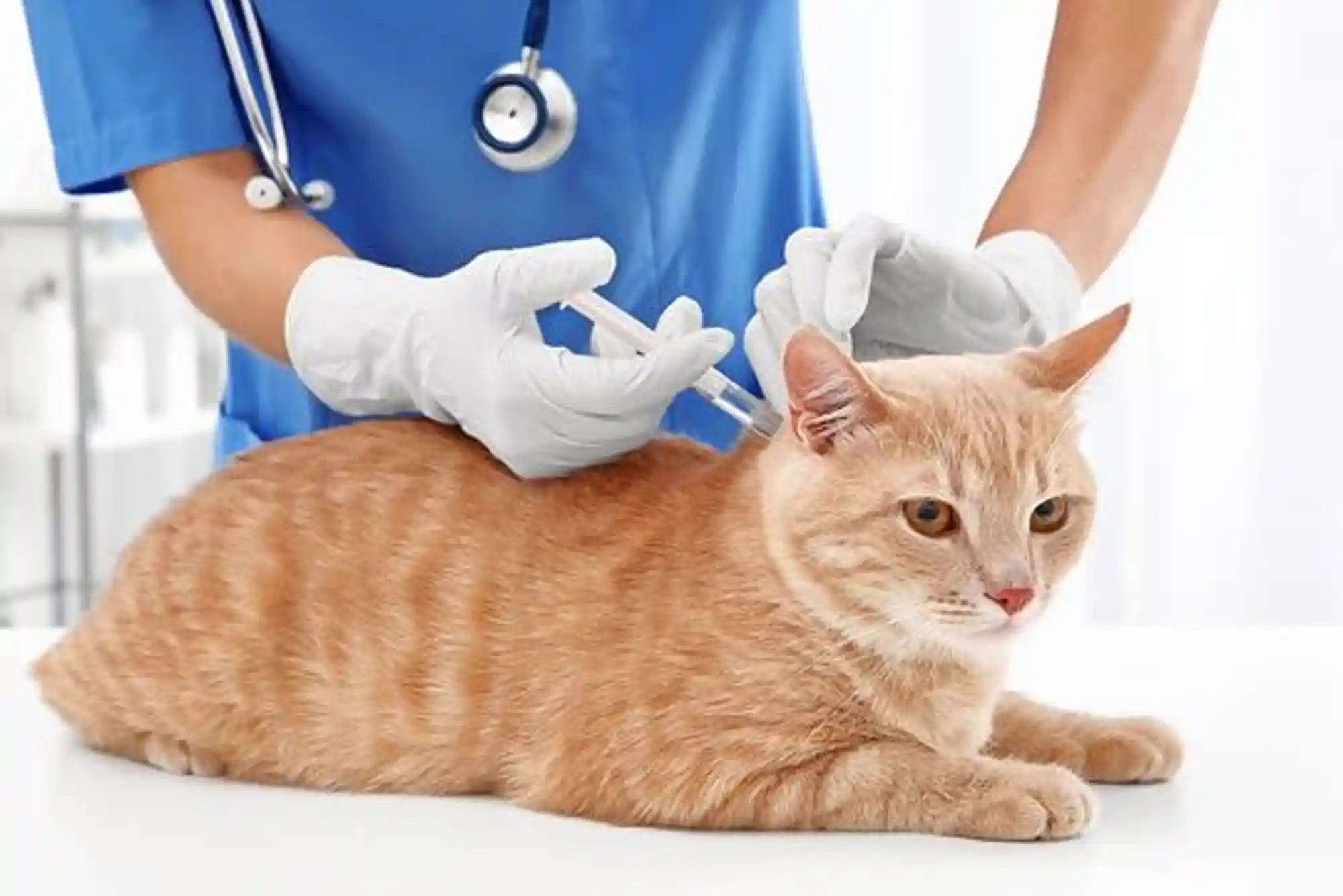
If your dog suddenly loses potty control or struggles despite consistent training, visit a veterinarian. Signs of medical issues may include frequent urination, discomfort, blood in urine, or excessive thirst. Health checks are especially important for senior dogs entering new homes.
Stay Patient During the Training Process
One of the biggest mistakes owners make is expecting immediate results.
Older dogs may take several weeks to fully adjust to apartment routines. Some dogs learn quickly, while others need extra time. Small improvements matter. Fewer accidents, clearer signals, and faster outdoor potty behavior all show progress. Celebrate consistency instead of perfection. Patience creates trust, and trust speeds up learning.
Best Apartment Potty Training Tips for Older Dogs
Several practical habits make apartment potty training smoother. Keep leash walks calm and focused during potty trips. Too much playtime outside may distract your dog from bathroom behavior. Feed meals at consistent times daily. Predictable digestion supports regular potty schedules. Keep treats near the door for quick rewards after successful outdoor trips.
Use simple commands like “go potty” consistently. Over time, dogs connect the phrase with bathroom behavior. Most importantly, maintain a calm attitude. Dogs often mirror owner emotions.
Common Potty Training Mistakes to Avoid
If you are looking for reliable property listings, local business updates, and useful lifestyle guides in the UAE, visit Finders.ae. The platform offers valuable information for residents, travelers, and investors who want to explore trusted services, trending locations, and real estate opportunities across the Emirates.
Waiting too long between bathroom trips also causes setbacks, especially for older dogs with weaker bladder control. Another mistake is giving too much freedom too early. Gradual independence works much better. Finally, avoid comparing your dog to others. Every dog learns at a different pace.
FAQs
Can an older dog still be potty trained?
Yes, older dogs can absolutely learn new potty habits. Consistency, patience, and positive reinforcement make training successful.
How long does it take to potty train an older dog?
Some dogs improve within weeks, while others may need several months. The timeline depends on past experiences and health conditions.
Should I use pee pads in an apartment?
Pee pads can help temporarily, especially in high-rise apartments. However, consistent outdoor training often creates clearer long-term habits.
Why does my older dog keep having accidents indoors?
Indoor accidents may result from stress, inconsistent routines, or medical conditions. A veterinarian can rule out health issues.
Is crate training cruel for older dogs?
No, crate training is not cruel when done properly. A comfortable crate can provide security and support potty training routines.
Conclusion
Learning How to Potty Train an Older Dog in an Apartment: Gentle Methods requires patience, consistency, and understanding. Older dogs may need extra time to adjust, especially after major life changes. However, gentle training methods create lasting success without fear or stress.