Introduction
How to Remove Cooking Smells in a Small Apartment: Ventilation Hacks is a common concern for people living in compact spaces. Small apartments often trap odors because airflow is limited and rooms are closely connected. Cooking smells from spices, fried food, or strong ingredients can quickly spread and linger for hours.
In many homes, the kitchen is not separated by walls or doors. This makes odor control even more difficult. If ventilation is not managed properly, smells can seep into furniture, curtains, and even clothes. That is why learning practical airflow strategies is essential.
Why Cooking Smells Stay Longer in Small Apartments
Understanding the cause is the first step in solving the problem. In small apartments, air circulation is limited. This means smells have fewer escape routes and remain trapped inside the space.
Cooking releases tiny particles into the air. These particles carry strong aromas that stick to soft surfaces like fabric and wood. Without proper airflow, they settle instead of escaping. Another reason is humidity. Steam from cooking mixes with odor particles and makes them heavier. This causes them to linger longer in enclosed rooms. That is why How to Remove Cooking Smells in a Small Apartment: Ventilation Hacks must focus on improving airflow first.
Improving Natural Airflow for Instant Relief
One of the simplest solutions is natural ventilation. Opening windows may sound basic, but it is highly effective when done correctly. Cross ventilation works best when air enters from one side and exits from another. If your kitchen has one window, open doors to create a pathway for air movement. This helps push out trapped smells faster. Even a small gap can improve circulation significantly.
Timing also matters. Open windows before you start cooking so fresh air can circulate early. Keep them open during and after cooking to maintain steady airflow. This method is a core part of How to Remove Cooking Smells in a Small Apartment: Ventilation Hacks because it requires no equipment.


Using Kitchen Exhaust and Fans Effectively
Many people have exhaust fans but do not use them properly. Position and timing are key for effectiveness. Turn on the exhaust fan before cooking begins, not after odors build up. The fan should pull air outside, not just circulate it inside. If installed correctly, it helps remove smoke, steam, and odor particles at the source.
You can also use a standing or ceiling fan to support airflow. Direct the fan toward an open window to push air out. This creates a stronger air exchange system in small spaces. In How to Remove Cooking Smells in a Small Apartment: Ventilation Hacks, proper fan usage plays a major role in fast odor control.
Smart Air Direction Techniques for Better Results
Air direction is often ignored but highly important. Always try to move air from clean areas to dirty areas. This means fresh air should enter the kitchen and push odors outside. Avoid letting air circulate randomly. Controlled airflow prevents smells from spreading into bedrooms or living areas.
Even adjusting the direction of a fan can change the outcome. Pointing it toward an exit point helps remove odors instead of spreading them. This simple technique improves ventilation efficiency significantly.
Natural Odor Absorbers That Support Ventilation
Ventilation works even better when combined with natural odor absorbers. These do not replace airflow but support it by reducing odor intensity. Placing bowls of vinegar or baking soda in the kitchen can help neutralize smells in the air. They absorb airborne particles and reduce lingering odor strength.
Boiling water with lemon slices or cloves also helps freshen indoor air. The steam carries a clean scent that replaces heavy cooking smells. Activated charcoal is another strong absorber. It traps odor particles and keeps the air cleaner for longer. These methods enhance How to Remove Cooking Smells in a Small Apartment: Ventilation Hacks naturally.
Cooking Habits That Reduce Odor Build-Up
Prevention is always better than cleanup. Simple changes in cooking habits can reduce smell intensity significantly.
Covering pots while cooking helps trap steam and odor at the source. This prevents them from spreading into the room. Using medium heat instead of high heat also reduces smoke production. Less smoke means fewer particles in the air. Cleaning spills immediately is another important habit. Burnt residues create strong odors that linger for hours. By managing cooking behavior, ventilation becomes more effective.
Post-Cooking Air Cleaning Strategy
Ventilation should not stop after cooking ends. Post-cooking air cleaning is equally important. Keep windows open for at least 20 to 30 minutes after cooking. This allows remaining particles to escape fully.
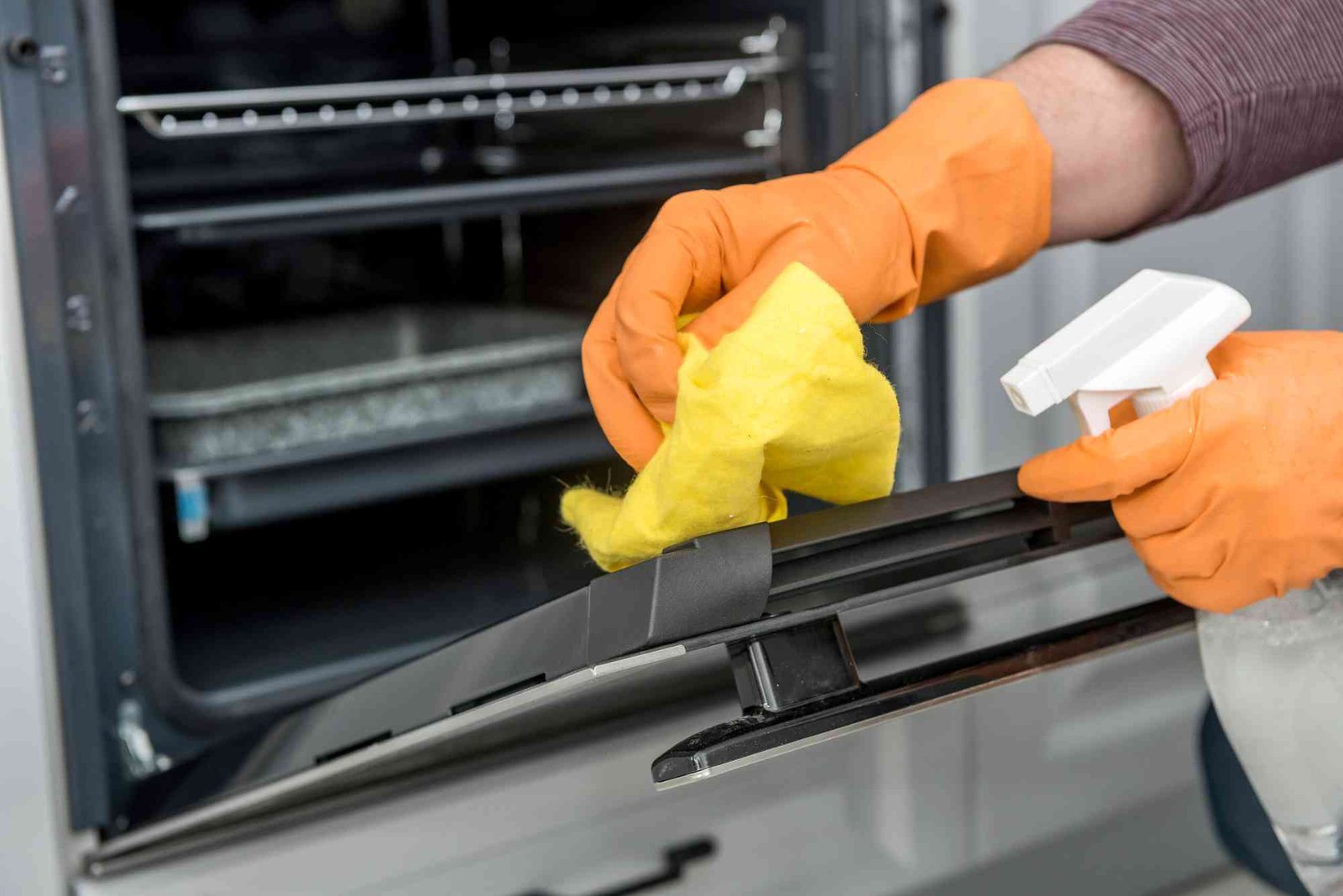
Turn on exhaust fans for a few extra minutes even after the stove is off. This clears leftover moisture and odor. Wiping down kitchen surfaces also helps. Grease and steam settle on counters and walls, contributing to lingering smells. This step supports long-term odor control.
Preventing Odor Absorption in Furniture and Fabrics
In small apartments, smells often get trapped in soft materials. Curtains, sofas, and carpets can absorb cooking odors quickly. To prevent this, keep kitchen doors closed if possible during cooking. If there are no doors, use a curtain or divider to block direct airflow into living areas.
Regularly airing out fabrics also helps. Opening windows in other rooms allows trapped odors to escape slowly. Using washable covers for cushions and chairs makes cleaning easier. Prevention is a key part of How to Remove Cooking Smells in a Small Apartment: Ventilation Hacks.
Common Mistakes That Make Smells Worse
Many people unintentionally make odor problems worse. One common mistake is closing windows immediately after cooking. This traps smells inside the apartment. Another mistake is relying only on air fresheners. These products mask odors but do not remove them. The smell returns once the fragrance fades.
Not cleaning kitchen filters and exhaust fans is also a problem. Dirty equipment reduces airflow efficiency and spreads odors instead of removing them. Avoiding these mistakes improves the effectiveness of ventilation strategies.
Long-Term Ventilation Improvements for Small Apartments
If you frequently struggle with odors, consider long-term improvements. Even small upgrades can make a big difference. Installing a stronger exhaust system helps remove air more efficiently. Portable air purifiers can also support ventilation by filtering particles.
Conclusion
How to Remove Cooking Smells in a Small Apartment: Ventilation Hacks is not about one solution. It is about combining airflow, habits, and simple tools. By improving natural ventilation, using fans correctly, and adopting smart cooking habits, you can significantly reduce lingering odors. Small changes in airflow direction and timing create noticeable results.