How to Separate Kitchen and Living Room in a Small Apartment: Simple Ideas
Living in a small apartment often means sharing space between the kitchen and living room. While open layouts can feel airy and modern, they can also create challenges when it comes to defining areas for cooking, dining, and relaxing. Learning how to separate kitchen and living room in a small apartment can help create both functionality and aesthetic balance. Whether you’re renting or own your apartment, small design adjustments can make your living area feel organized and spacious. The key is to use smart planning, light control, and thoughtful decoration.
Why Separate Kitchen and Living Room in a Small Apartment
In small apartments, the kitchen and living room often share the same space. Without clear separation, this setup can lead to clutter, noise, and confusion between cooking and relaxing zones. Separating these two areas allows each to serve its purpose efficiently. It helps manage odors from cooking, enhances privacy, and creates a more organized living experience. Moreover, it gives the illusion of a larger, more structured home. Understanding how to separate kitchen and living room in a small apartment is about creating balance, not barriers.
Use Furniture as a Natural Divider
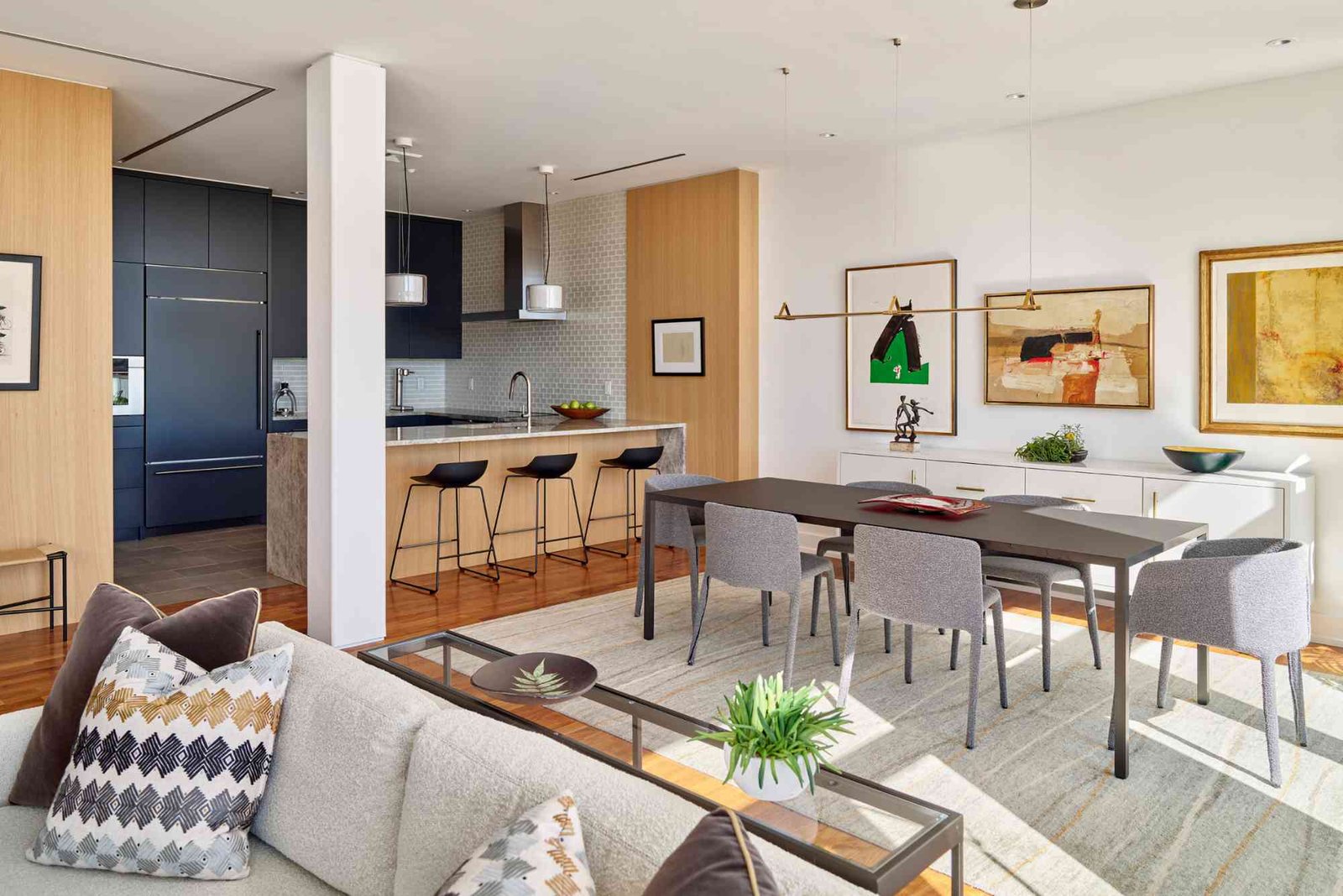
One of the simplest and most practical ways to separate spaces is through furniture placement. A sofa, bookshelf, or console table can define boundaries without building walls. For example, placing a couch with its back toward the kitchen instantly creates a visual divide. A tall open bookshelf can separate the two areas while still allowing light to flow freely. Choosing multifunctional furniture, like a kitchen island with bar stools, can further emphasize the boundary while offering added storage or dining space. These subtle shifts give structure and identity to each zone.
Play with Rugs and Flooring for Visual Separation
Flooring plays a powerful role in defining spaces. By using different rugs or flooring styles, you can create distinct visual zones without any physical dividers. For instance, a patterned rug under the living area adds warmth and separates it from the sleek tile or wooden floor in the kitchen. The change in texture creates a sense of transition that feels natural and intentional. In small apartments, visual cues like flooring can make a big difference in how the space feels. This design strategy is particularly helpful when you want an open feel but still need structure.
Lighting Techniques to Define Spaces
Lighting not only sets the mood but also helps organize space in small apartments. To separate your kitchen and living room, use different lighting styles for each. Pendant lights or track lighting over the kitchen create a focused and functional zone, while soft, ambient lighting or a floor lamp in the living area promotes relaxation. Layered lighting allows you to highlight specific areas and create depth. Warm lights in the living room and cooler tones in the kitchen can enhance the visual boundary even further. Smart lighting choices can transform even the smallest apartment into a dynamic, well-organized environment.
Use Color and Texture to Create Boundaries
Color psychology plays a big role in space perception. Using different color tones for the kitchen and living room walls can make them feel like separate zones. Light, neutral colors in the living room enhance calmness, while a splash of vibrant or darker color in the kitchen adds energy. The contrast between tones defines each area while maintaining harmony. Similarly, mixing textures—like glossy finishes in the kitchen and matte or soft fabrics in the living area—enhances separation. When colors and textures complement each other, the entire space feels cohesive yet distinct.
Room Dividers and Curtains for Flexible Separation
If you prefer physical division, lightweight room dividers or curtains are an ideal solution. A folding screen, glass partition, or hanging curtain can create privacy without making the area feel closed off. Sheer or semi-transparent materials let in light while maintaining separation. These options are especially useful in rental apartments since they require no construction. Curtains can even add a decorative element—choose colors that blend with your furniture for a unified look. The beauty of flexible dividers is that they allow you to change your layout anytime you want.
Kitchen Islands and Bar Counters as Functional Boundaries
A kitchen island or bar counter is not just a cooking aid—it can be a perfect separator between kitchen and living space. It offers extra storage, a place to eat, and a visual division that feels intentional. In small apartments, choosing a compact or movable island adds flexibility. Bar stools on one side define the dining zone, while the opposite side remains dedicated to cooking. This approach maximizes functionality and enhances style. When paired with pendant lighting above, the island becomes a strong focal point that subtly divides the space.
Add Greenery for a Natural Transition
Plants can be an excellent tool for soft separation. A line of potted plants or hanging greenery adds freshness and forms a natural boundary between spaces. Using taller plants, like indoor palms or fiddle leaf figs, creates privacy without heavy structures. Greenery also helps soften harsh edges from furniture or walls, making the overall design feel welcoming. In small apartments, plants serve both decorative and functional purposes—they purify air and visually define zones without cluttering the space.
Incorporate Sliding Doors or Glass Panels
If your apartment allows minor renovation, sliding glass doors or panels are a modern and space-efficient option. They provide physical separation while allowing light to travel between the kitchen and living room. Frosted glass can add privacy, while clear glass maintains openness. This method is perfect for minimalist designs where space should remain bright yet distinct. Sliding panels can also help reduce kitchen noise or smell, making your living area more comfortable.
Maximize Storage to Maintain Order
Disorganization can easily blur the boundaries between kitchen and living areas. Clever storage solutions help maintain separation and visual cleanliness. Using built-in cabinets, vertical shelving, or hidden compartments keeps clutter out of sight. A tidy living space appears larger and more defined. Storage furniture can also double as a divider, especially if placed strategically between zones. A storage bench or display cabinet can subtly mark the transition without overwhelming the room.
Create a Visual Focus in Each Area
Each space should have its focal point. In the kitchen, it might be a backsplash or island, while in the living room, it could be artwork or a media unit. This visual balance helps define areas and prevent one from dominating the other. When your eyes recognize distinct focal points, it creates a natural mental separation. The key is to keep both spaces visually balanced, so they complement rather than compete with each other.
Keep Cohesion with Unified Design Elements
While separation is important, overall harmony matters too. Use similar color tones, materials, or design themes to maintain flow. For instance, matching cabinet finishes with furniture accents keeps the apartment visually cohesive. Repetition of textures like wood or metal ensures consistency while still allowing contrast in layout or function. This approach creates unity across both areas, making the apartment look well-designed and intentional rather than divided.
Designing Harmony in Compact Spaces
Knowing how to separate kitchen and living room in a small apartment is about finding the right balance between openness and definition. Whether you use furniture, lighting, color, or subtle design tricks, every choice contributes to creating a comfortable and efficient home. The goal isn’t to close off the space, but to guide how it’s used and experienced. When done thoughtfully, your apartment feels larger, cleaner, and more stylish. Start experimenting with small adjustments today and see how smart design can transform your living experience. Ready to give your small apartment a functional makeover? Start by implementing one of these simple separation ideas today and create a space that truly feels like home.
To successfully navigate the real estate market, understanding the key steps and strategies is essential for homeowners looking to sell an apartment efficiently and at the best price. Whether you’re preparing your property for listing, setting the right price, or choosing the right platform to attract buyers, having the right guidance can make a big difference. For a complete step-by-step guide on the process and expert tips to help you get the most out of your sale, check out this helpful resource.
Looking for reliable solutions in real estate, property management, and investment guidance? Explore Finders.ae for expert insights, latest listings, and tailored services to meet all your property needs. Visit our homepage today to discover opportunities and make informed decisions.
FAQs
Q1: What is the best way to separate kitchen and living room in a small apartment?
The best way depends on your space. Furniture placement, lighting, or rugs can visually define zones without major renovation.
Q2: How can I separate kitchen and living room without walls?
You can use open shelving, curtains, plants, or color contrast to create a subtle yet effective separation without building walls.
Q3: What colors help make a small kitchen-living room feel larger?
Light, neutral tones like white, beige, or soft gray make both areas feel open and airy while maintaining separation.
Q4: Can I use a kitchen island to separate spaces?
Yes, a kitchen island or bar counter acts as a natural divider that adds both style and functionality, especially in small apartments.
Q5: How can I reduce kitchen noise in an open living space?
Use rugs, curtains, and upholstered furniture to absorb sound, or consider glass partitions for a stylish yet quiet solution.