
Introduction
Understanding the difference between an apartment and a flat is essential for anyone navigating real estate, whether you are searching for a new home, relocating internationally, or simply curious about how housing terms vary across regions. These two words, although often used interchangeably, carry specific meanings depending on where you are in the world. The difference between an apartment and a flat becomes even more important as global real estate markets expand, and people move across countries for work, study, or lifestyle changes. This article examines the global usage, cultural distinctions, and subtle meanings that separate these terms, helping you make sense of what each truly represents.
When someone mentions an apartment in the United States, it generally refers to a self-contained residential unit within a larger building. The same person, when in the United Kingdom, might instead say flat for the same type of home. These differences can be confusing, especially for newcomers. However, when we explore the linguistic history, cultural factors, and global real estate trends, the difference between an apartment and a flat becomes easier to understand. Throughout this article, the focus keyword is used naturally to help guide readers seeking clarity on this topic.
Understanding the Basic Definitions
The difference between an apartment and a flat starts with simple definitions. In most parts of the world, an apartment refers to a residential unit in a multi-unit building that is owned or managed by one entity. Tenants often rent these units instead of owning them. In contrast, a flat is a term more commonly used in the United Kingdom, India, Pakistan, and parts of Europe. A flat usually describes a self-contained residential space on a single level within a building. The meanings overlap, but the choice of word often reveals the speaker’s region rather than the type of home.
Why These Terms Developed Differently
Language evolves based on culture, history, and influence. The word apartment comes from the French word appartement, which originally meant a separated or private section of a building. British English, on the other hand, adopted flat from the Old English word flett, meaning the interior of a dwelling. Because of these linguistic roots, British speakers naturally continued to use flat, while American speakers embraced apartment. Over time, migration and globalization encouraged both terms to spread, but each retained its regional preference. This historical separation forms the foundation of the difference between an apartment and a flat today.
Usage in the United States, United Kingdom, and Beyond
For someone in the United States, the word flat may feel unusual or outdated. It may even be seen as a more European term. Most Americans will use apartment to describe everything from a small studio to an upscale penthouse in a tower block. In the United Kingdom, the opposite is true. Flat is the common term used in daily conversation, real estate listings, and business documents. Apartment is also used, but usually to describe luxury units, premium properties, or serviced accommodations. In India, Pakistan, Singapore, and many African countries, both terms exist. Flat is often used for standard housing units, while apartment typically describes higher-end buildings with added amenities. These variations show that the difference between an apartment and a flat is not just linguistic but cultural, influenced by lifestyle expectations and market positioning.
Structural and Design Differences
Although both terms refer to similar living spaces, the difference between an apartment and a flat sometimes extends to structure, layout, and purpose, depending on the region.
Apartments and Modern Developments
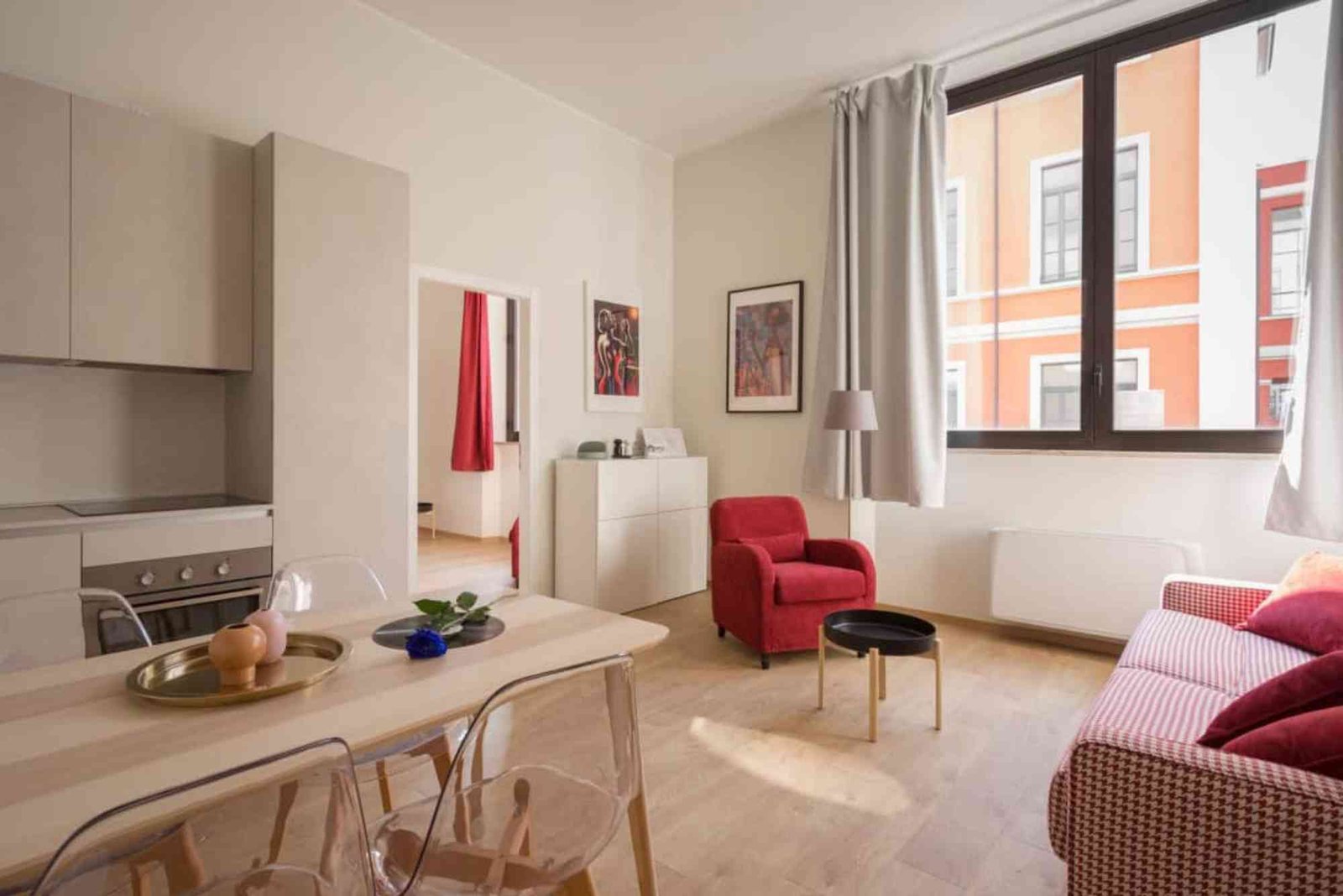
An apartment is often associated with modern architecture, especially in metropolitan cities. These units are typically part of a professionally managed complex with shared facilities. Many newer buildings feature elevators, parking garages, gyms, pools, and security services. The term apartment is frequently used when the structure includes organized management or a company that maintains the property. This focus on amenities contributes to why some countries view the word apartment as a symbol of modernity or luxury.
Flats and Traditional Housing Layouts
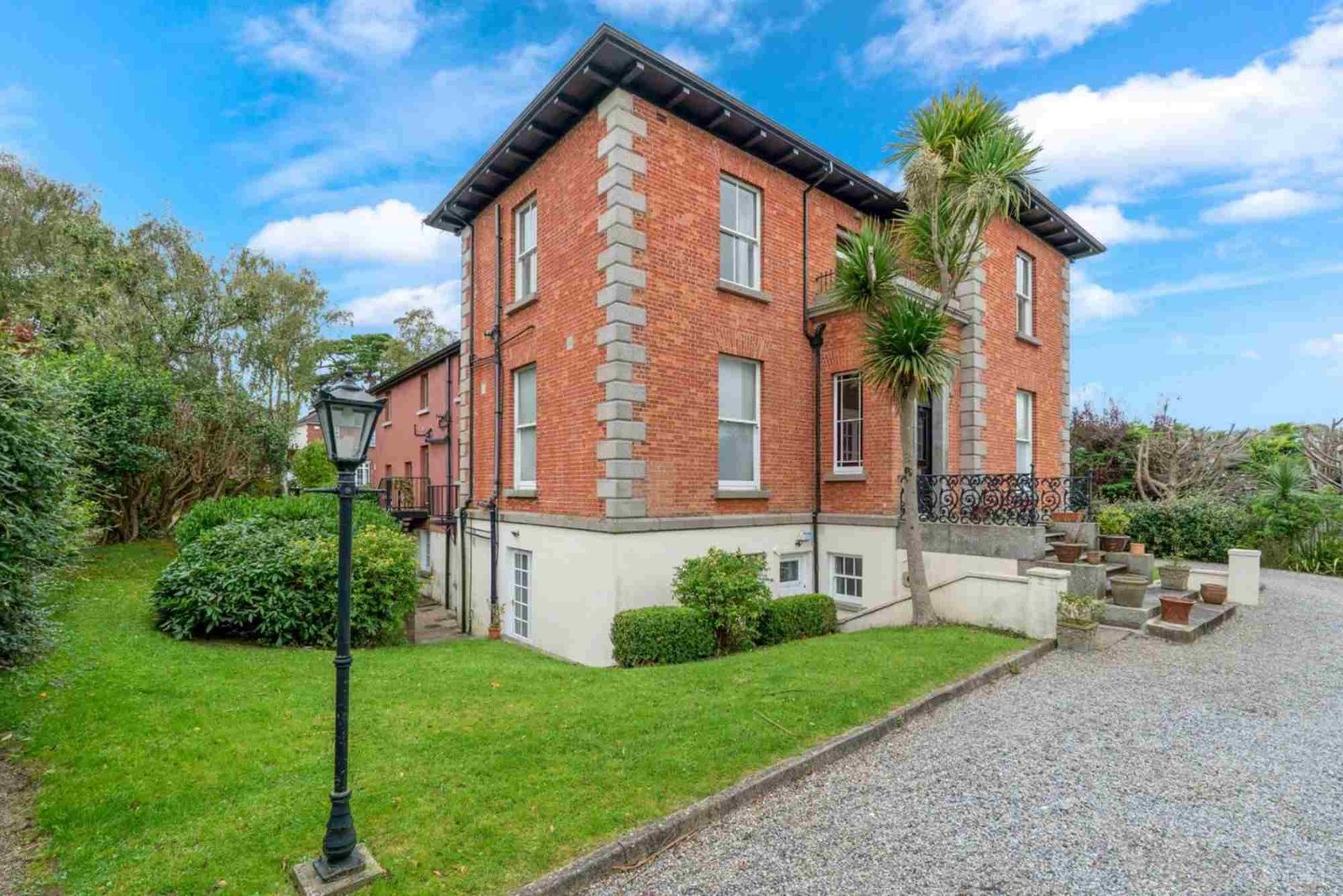
A flat often refers to a simpler layout. It may be located in an older building, a low-rise block, or even a converted house. In many Commonwealth countries, flats are built horizontally, meaning each unit occupies a single level, contributing to the term’s literal meaning. Some flats are basic, while others can be spacious and high-end. However, the style of construction often distinguishes flats from apartments in markets where both terms are used. This subtle difference contributes to the ongoing debate about the difference between an apartment and a flat.
Ownership and Management Differences
Ownership structures also influence the meaning of each word. In the United States, apartments are often part of rental communities managed by companies or landlords. Many apartment buildings do not offer individual ownership options. In the United Kingdom, flats are more commonly bought and sold individually. A building full of flats might be owned by several different residents, each responsible for their own unit. In South Asian countries, flats are frequently purchased as long-term homes, often with maintenance fees shared among residents. Apartment complexes, in contrast, may be owned by a single developer or investor group. These ownership models shape the difference between an apartment and a flat in real estate culture.
Global Real Estate Trends Affecting Usage
As cities become more crowded and vertical living becomes the norm, the distinction between an apartment and a flat is slowly evolving. International developers often choose the term apartment when marketing upscale units, even in regions where flat is traditionally used. Younger generations exposed to Western media also adopt the term apartment more frequently. However, real estate professionals still maintain clear distinctions in listings, ensuring buyers and renters understand what to expect.
Influence of Media, Travel, and Migration
Movies, television shows, and online platforms influence global audiences. Many people associate the word apartment with urban living in cities like New York, Los Angeles, and Toronto. As migration increases, especially among students and professionals, people begin to adjust their vocabulary to match international norms. Those relocating to the UK may adopt flat, while those moving to North America learn to say apartment. This cultural exchange continuously reshapes the difference between an apartment and a flat.
Real Estate Marketing and Consumer Perception
The choice of word affects how a property is perceived. In regions where both terms are understood, developers and agents carefully select which one reflects their brand. Apartment suggests modernity, convenience, and premium lifestyle. Flat suggests practicality, comfort, and traditional living. Neither term is superior, but each paints a different picture, which is why understanding the difference between an apartment and a flat is helpful for buyers, renters, and investors.
Which Term Should You Use?
The best term depends on where you are and who you are speaking to. If you are in the United States, apartment is universally understood. If you are in the United Kingdom or South Asia, flat might be more natural. When dealing with international audiences, both terms are correct, but apartment tends to be clearer in global communication. The key is context. The difference between an apartment and a flat is not absolute but shaped by geography, architecture, and culture.
Common Misconceptions
Many people incorrectly assume that the two words represent completely different housing types. Others think that an apartment is always luxurious and a flat always simple. In reality, both can be basic or high-end. A flat in London can cost more than a luxury apartment in many parts of the world. The terms reflect linguistic habits more than strict structural differences. Recognizing this helps clarify the difference between an apartment and a flat without confusion.
Choosing the Right Word in a Global World
As global mobility increases, understanding the difference between an apartment and a flat becomes more important for clear communication. Although the meanings overlap, each term carries cultural significance shaped by regional practices and linguistic traditions. Whether you are searching for a home, preparing to relocate, or simply expanding your knowledge of real estate terminology, knowing how these terms differ helps you navigate conversations with confidence. If you want more guidance on real estate terminology or need help understanding property listings across countries, feel free to reach out. I can help you make well-informed decisions with clarity and ease.
FAQs
What is the main difference between an apartment and a flat?
The main difference is regional usage. Apartment is common in the United States and Canada, while flat is more common in the United Kingdom, India, Pakistan, and parts of Europe. Structurally, both terms refer to similar self-contained units.
Are an apartment and a flat the same thing?
Yes, in most situations they describe the same type of living space. The difference between an apartment and a flat is mostly cultural and linguistic rather than architectural.
Why do Americans say apartment and Brits say flat?
The words come from different linguistic origins. Americans adopted apartment from French influence, while British English developed the word flat from Old English roots.
Is an apartment more luxurious than a flat?
Not necessarily. The perception varies by region. In some countries, apartment implies higher-end living, but in others, both terms describe units of all sizes and luxury levels.
Which term should I use when traveling or relocating?
Use the term commonly used in your destination. Apartment works well internationally, while flat is ideal for the UK and many Commonwealth nations.