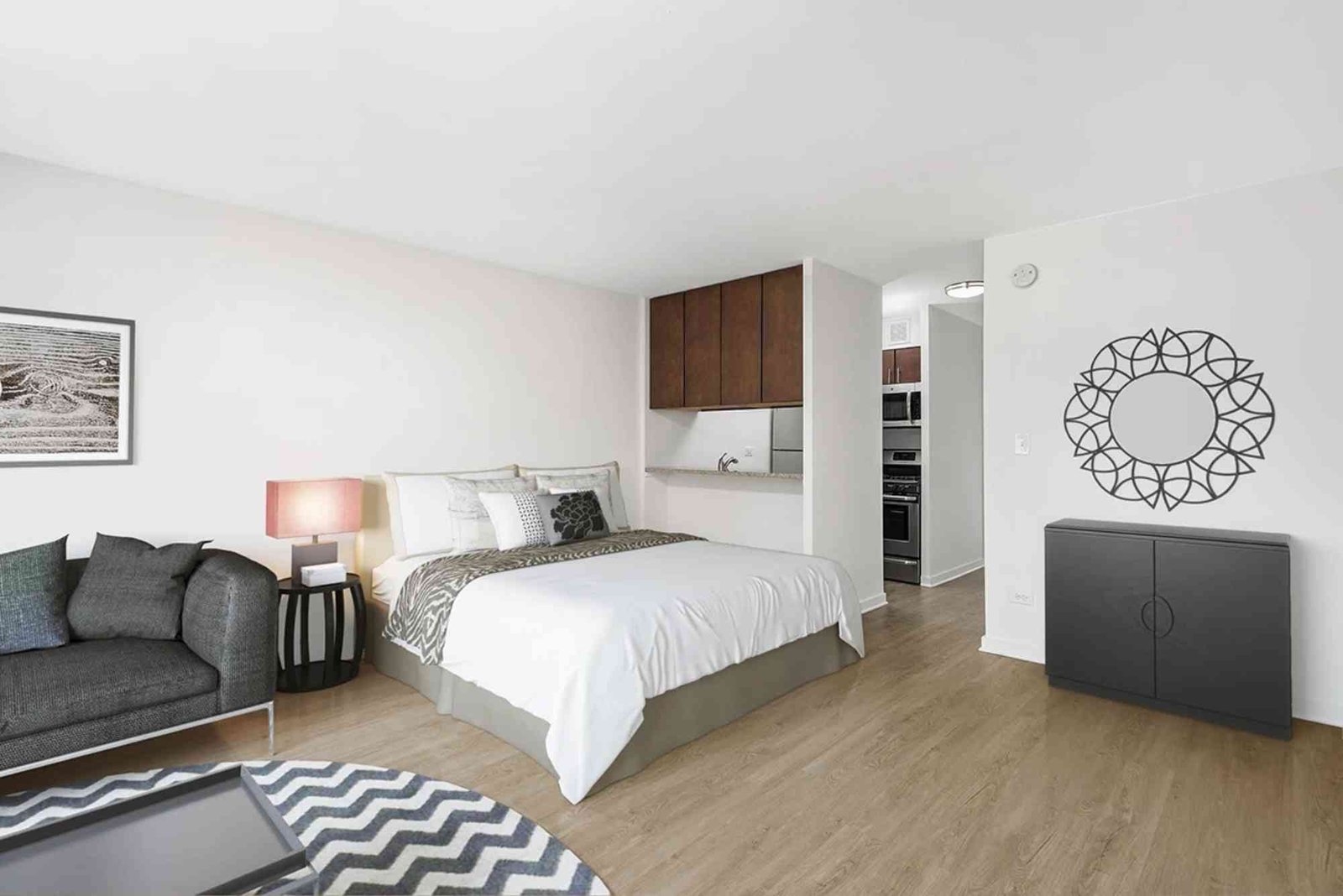
What Is a 1-Bedroom Apartment? Layout, Size, and Ideal Renters
A 1-bedroom apartment is one of the most popular housing options for singles, couples, and small families. It typically includes a separate bedroom, a living area, a kitchen, and a bathroom. This type of apartment provides more privacy than a studio while remaining affordable compared to larger units. Understanding the layout, size, and who it suits best can help you make an informed rental decision.
Understanding the Layout of a 1-Bedroom Apartment
The layout of a 1-bedroom apartment is designed to maximize both space and functionality. Most units have a clearly defined bedroom separated from the living room, offering privacy and comfort. The living room serves as the main gathering space for relaxation, entertaining, or working from home. Kitchens can range from compact kitchenette styles to full-sized designs, depending on the building’s design. Many 1-bedroom apartments also include storage closets, in-unit laundry, or balconies. Open floor plans are increasingly common, combining the living room and kitchen into one airy space.
The bedroom usually accommodates a bed, wardrobe, and sometimes a small desk. Bathrooms are often attached or adjacent to the bedroom for convenience. The separation of spaces ensures a balanced living experience, allowing for both social interaction in shared areas and solitude in private spaces.
Average Size of a 1-Bedroom Apartment
The size of 1-bedroom apartments varies depending on location, building type, and design. On average, they range between 500 to 800 square feet. In urban areas, compact designs around 400 to 600 square feet are common, focusing on efficient use of space. Suburban apartments may be larger, often exceeding 800 square feet, offering more room for living and storage.
Square footage influences furniture choices, storage solutions, and the apartment’s overall comfort. Smaller units may include multi-functional furniture like fold-out beds or expandable tables, while larger apartments allow for more flexibility and luxury features such as walk-in closets or larger kitchen islands. Understanding the square footage helps renters visualize their lifestyle and determine whether a 1-bedroom apartment will meet their needs.
Ideal Renters for a 1-Bedroom Apartment
1-bedroom apartments are ideal for a variety of renters. Singles often find them perfect because they provide privacy, manageable maintenance, and affordability. Couples also benefit, enjoying separate sleeping space while sharing common areas. Small families or roommates may find a 1-bedroom less practical unless they’re comfortable with creative sleeping arrangements.
Young professionals appreciate 1-bedroom apartments for their convenient size and lower cost compared to larger units. Retirees often prefer them because they require less upkeep and allow for comfortable, independent living. Additionally, people relocating for work may choose a 1-bedroom apartment as a temporary but functional solution while exploring the area.
Benefits of Living in a 1-Bedroom Apartment
Living in a 1-bedroom apartment offers several advantages. Privacy is one of the main benefits, as the bedroom is separated from communal spaces. Affordability is another, making it a cost-effective choice in both renting and utilities. These apartments are easier to maintain and clean compared to larger units.
1-bedroom apartments often provide opportunities to live in prime locations without paying the high rent of larger apartments. They strike a balance between space and efficiency, making them ideal for people who want comfort without excess. Many units also feature amenities such as gyms, pools, or communal areas, adding value to the living experience.
Factors to Consider Before Renting a 1-Bedroom Apartment
Before renting, consider factors like location, budget, layout, and amenities. Proximity to work, public transport, grocery stores, and social spots can greatly influence your experience. Your budget should account for rent, utilities, and any additional fees. The layout should suit your lifestyle, offering enough storage and comfortable living areas.
Amenities can enhance daily life, from in-unit laundry to parking and fitness centers. Inspect the apartment for natural light, ventilation, and noise levels. Check lease terms carefully, including renewal options, deposit requirements, and pet policies. These considerations ensure that your 1-bedroom apartment aligns with your needs and lifestyle.
Tips for Decorating a 1-Bedroom Apartment
Decorating a 1-bedroom apartment requires smart space management. Use vertical storage solutions, multi-functional furniture, and light colors to create an open and airy feel. Mirrors can enhance natural light, and rugs can define spaces within an open layout. Adding plants, artwork, and personal touches makes the apartment feel like home without overcrowding it.
Furniture placement is key; avoid blocking natural pathways or making the space feel cramped. Consider modular furniture that can be moved or adjusted as needed. Clever use of shelves, hooks, and under-bed storage keeps essentials organized while maximizing living space.
Renting vs. Buying a 1-Bedroom Apartment
Renting a 1-bedroom apartment provides flexibility, lower upfront costs, and less responsibility for maintenance. It’s suitable for short-term living or for people who prefer not to commit to property ownership. Buying offers long-term investment potential, building equity over time, but it comes with higher costs, taxes, and maintenance obligations.
Consider your financial situation, career stability, and long-term goals when deciding. Renters enjoy mobility and lower risk, while owners benefit from stability and potential property appreciation. A 1-bedroom apartment, whether rented or purchased, is often the most practical choice for individuals seeking efficiency and affordability.
Conclusion
A 1-bedroom apartment offers a balanced lifestyle with privacy, affordability, and efficient use of space. Its layout and size cater to singles, couples, and young professionals, making it a versatile choice in urban and suburban areas alike. Understanding your needs, budget, and lifestyle will help you find the perfect 1-bedroom apartment.
Whether you are renting for convenience or buying as an investment, these apartments provide comfort without excess. Explore available units, consider your priorities, and make an informed decision to enjoy the benefits of this popular housing option. If you’re ready to find a 1-bedroom apartment that suits your lifestyle, start browsing today to secure the ideal home.
Looking for the perfect furry companion for your apartment? Choosing a dog that thrives in smaller spaces is key for comfort and happiness. From friendly breeds to low-maintenance pets, finding the right fit ensures a harmonious home. Learn more about the best apartment dogs here.
Looking for the best property deals and real estate solutions in the UAE? Explore a wide range of apartments, villas, and commercial spaces tailored to your needs. Start your property journey today with Finders and discover your perfect home or investment opportunity in no time.
FAQs
What is considered a 1-bedroom apartment?
A 1-bedroom apartment has a separate bedroom, living area, kitchen, and bathroom.
How big is a typical 1-bedroom apartment?
Most 1-bedroom apartments range from 500 to 800 square feet, depending on location and design.
Who should rent a 1-bedroom apartment?
Singles, couples, young professionals, and retirees are ideal renters for a 1-bedroom apartment.
Are 1-bedroom apartments affordable?
They are generally more affordable than larger apartments and are cost-effective for rent and utilities.
Can a small family live in a 1-bedroom apartment?
Yes, but it may require creative arrangements for sleeping and storage.
Is a 1-bedroom apartment suitable for remote work?
Yes, it offers space for a home office while maintaining privacy and comfort.
Do 1-bedroom apartments come with amenities?
Many buildings include amenities like gyms, laundry, parking, or shared social areas.