Introduction
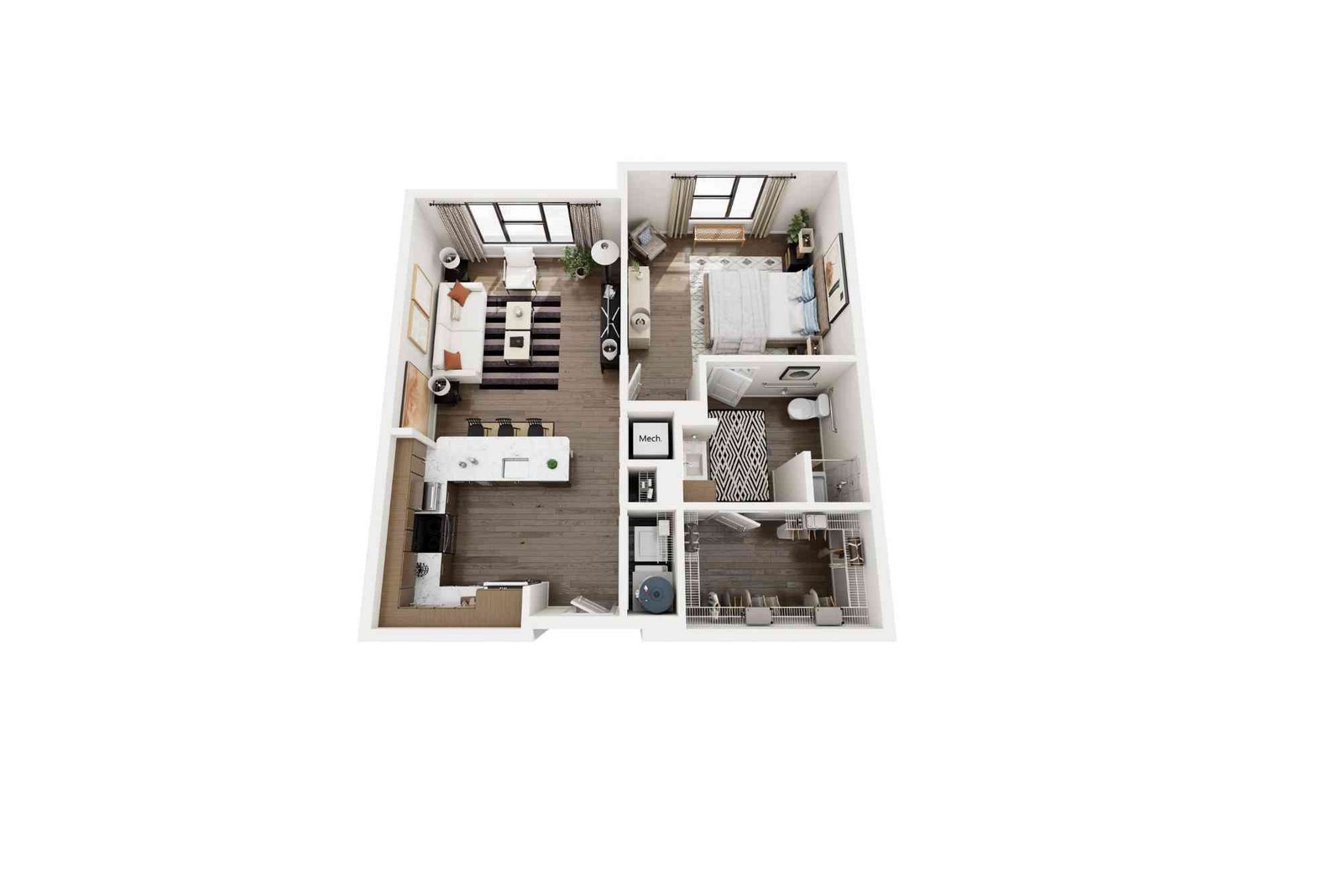
When touring an apartment building or reviewing floor plans, you may come across the term “MECH.” Many renters and property buyers are unfamiliar with this abbreviation and often wonder what it means. Understanding the purpose of a MECH area can help you better evaluate a building’s design, maintenance systems, and overall living experience.
The term MECH typically refers to a mechanical room or mechanical space within a residential building. This area houses essential equipment that supports the operation of the property. While residents rarely need to access it, the systems inside play a critical role in maintaining comfort, safety, and efficiency.
What Is a MECH in an Apartment? Mechanical Room Meaning and Purpose
A MECH in an apartment stands for “mechanical room” or “mechanical space.” It is a designated area within a building where mechanical equipment is installed and maintained. These rooms contain systems that help regulate heating, cooling, ventilation, water supply, and other building functions.
The mechanical room serves as the operational hub of many apartment buildings. Instead of placing equipment throughout individual units, developers often centralize major systems in one secure location. This approach simplifies maintenance and improves efficiency. When discussing What Is a MECH in an Apartment? Mechanical Room Meaning and Purpose, it is important to understand that these spaces are usually restricted to maintenance personnel and authorized staff.
Why Mechanical Rooms Are Necessary in Apartment Buildings
Modern apartment buildings rely on complex infrastructure. Without a centralized location for essential equipment, maintaining these systems would become difficult and expensive. Mechanical rooms provide a dedicated space for equipment operation and servicing. This arrangement allows technicians to inspect, repair, and replace components without disturbing residents.
Additionally, mechanical rooms help improve safety. Housing critical equipment in a controlled environment reduces the risk of accidental damage and unauthorized access. As buildings become larger and more technologically advanced, the importance of mechanical rooms continues to grow.


Where Is the MECH Room Usually Located?
The location of a mechanical room depends on the building’s design and size. In many apartment complexes, the MECH room is located in the basement. This placement provides easy access for maintenance teams while keeping equipment away from residential areas.
Some buildings place mechanical rooms on the ground floor or rooftop. High-rise apartments often have multiple mechanical rooms distributed throughout the structure to support different zones. In smaller apartment buildings, a mechanical space may be located near utility areas or maintenance corridors. Regardless of its location, access is generally restricted to authorized personnel.
Equipment Commonly Found in a Mechanical Room
Mechanical rooms contain various systems that keep an apartment building functioning efficiently. The exact equipment depends on the building’s design and utility requirements.
Heating Equipment
Many mechanical rooms house boilers, furnaces, or heat pumps that generate warmth for residential units and common areas.
These systems distribute heat through pipes, radiators, or air ducts. Proper maintenance ensures consistent indoor temperatures during colder months.
Cooling Systems
Air conditioning equipment is often located in the mechanical room. Chillers, compressors, and cooling units help regulate indoor temperatures during hot weather.
These systems improve resident comfort and support energy-efficient climate control.
Ventilation Equipment
Ventilation systems maintain indoor air quality by circulating fresh air throughout the building.
Fans, air handlers, and filtration units remove stale air and help reduce humidity levels. Proper ventilation contributes to healthier living conditions.
Water Supply Systems
Mechanical rooms often contain pumps, pressure regulators, and water heaters.
These components ensure that residents receive reliable access to hot and cold water. They also help maintain adequate water pressure across multiple floors.
Fire Protection Equipment
Many apartment buildings store fire safety systems within mechanical spaces.
This equipment may include sprinkler controls, fire pumps, monitoring systems, and emergency shut-off mechanisms. These systems play a critical role in building safety.
Electrical Support Systems
Some mechanical rooms contain backup power equipment, electrical panels, or control systems.
These components help manage building operations and provide emergency support during power outages.
How Mechanical Rooms Support Resident Comfort
Most residents never enter a mechanical room, yet they benefit from its operation every day.
When heating systems maintain a comfortable temperature, water flows consistently, and ventilation keeps indoor air fresh, the mechanical room is doing its job. These systems operate behind the scenes to create a comfortable living environment. A well-maintained mechanical room contributes to stable temperatures, reliable utilities, and fewer service disruptions. This directly impacts resident satisfaction and quality of life.
The Role of Mechanical Rooms in Energy Efficiency
Energy efficiency is a major priority in modern apartment construction. Mechanical rooms help achieve this goal by centralizing equipment and enabling better system management. Advanced monitoring technology allows building operators to track energy usage and optimize performance. Efficient heating, cooling, and water systems reduce utility costs while lowering environmental impact.
Many newer apartment buildings use smart controls that automatically adjust equipment operation based on occupancy, weather conditions, and energy demand. As sustainability becomes increasingly important, mechanical rooms play a key role in reducing overall energy consumption.
Safety Measures Inside Mechanical Rooms
Because mechanical rooms contain powerful equipment, safety is a top priority.
Access is usually restricted through locked doors and controlled entry systems. Warning signs identify potential hazards and outline safety procedures. Fire-resistant construction materials are commonly used around mechanical rooms to reduce risk. Ventilation systems help prevent overheating and maintain safe operating conditions.
Routine inspections ensure that equipment functions properly and complies with local building regulations. These safety measures protect both residents and maintenance personnel.
Mechanical Rooms in High-Rise Apartments
High-rise apartment buildings often require more sophisticated mechanical infrastructure. Instead of relying on a single mechanical room, these buildings may contain multiple mechanical floors or equipment spaces throughout the structure. This approach improves efficiency and supports the demands of hundreds of residents.
Mechanical systems in high-rise properties often include advanced pumping equipment, centralized HVAC systems, and automated monitoring technology. As building height increases, the complexity of mechanical systems typically grows as well.
Mechanical Rooms in Low-Rise Apartment Buildings
Low-rise apartments generally have simpler mechanical requirements. A single mechanical room may be sufficient to support the entire property. Equipment tends to be smaller and easier to maintain compared to high-rise buildings.
Although the systems may be less complex, they remain equally important for providing heating, cooling, water distribution, and safety functions. Regardless of building size, the purpose of the mechanical room remains the same.
Can Residents Access the Mechanical Room?
In most cases, residents are not allowed to enter mechanical rooms. These areas contain specialized equipment that requires professional training to operate safely. Unauthorized access could result in injury, equipment damage, or service interruptions.
Property managers typically restrict entry to maintenance staff, engineers, contractors, and emergency personnel. If a resident notices a problem related to heating, cooling, or water systems, they should contact building management rather than attempting to access the mechanical room.
What Happens During Mechanical Room Maintenance?
Regular maintenance is essential for keeping apartment systems operating efficiently.
Technicians inspect equipment, replace worn components, test safety systems, and monitor performance levels. Preventive maintenance helps identify potential issues before they become major problems. Routine servicing can improve energy efficiency, extend equipment lifespan, and reduce repair costs. Well-maintained mechanical rooms contribute to reliable building operations and improved resident experiences.
How Mechanical Rooms Affect Property Value
The condition of a building’s mechanical systems can significantly influence property value.
Buyers and investors often evaluate mechanical infrastructure when assessing an apartment building. Modern, well-maintained systems suggest lower future repair costs and greater operational efficiency. Outdated or poorly maintained equipment may lead to higher maintenance expenses and reduced resident satisfaction. For this reason, property owners often invest heavily in mechanical upgrades and preventive maintenance programs.
Common Misconceptions About Apartment Mechanical Rooms
Finding the right property, business, or service in the UAE can be challenging without a trusted source. Finders.ae simplifies your search by providing valuable listings, local insights, and useful resources all in one place. Whether you’re looking for real estate opportunities or business solutions, Finders.ae helps connect you with the information you need quickly and efficiently.
Another misconception is that only large buildings require mechanical rooms. Even smaller apartment complexes often contain dedicated mechanical spaces. Some residents also believe mechanical rooms create excessive noise. However, modern building designs typically incorporate sound insulation and strategic placement to minimize disturbances. Understanding these facts helps residents appreciate the importance of mechanical infrastructure.
Conclusion
Understanding What Is a MECH in an Apartment? Mechanical Room Meaning and Purpose provides valuable insight into how apartment buildings operate. A MECH room serves as the central hub for essential systems such as heating, cooling, ventilation, water distribution, and fire protection. Although residents rarely see these spaces, they rely on them every day for comfort, safety, and convenience. Properly maintained mechanical rooms improve energy efficiency, support building operations, and help preserve property value.
A low-rise apartment building is a residential property that typically consists of one to four stories, offering a comfortable and community-focused living environment. These buildings are often found in suburban neighborhoods and quieter urban areas. Their lower density, easier access, and affordable maintenance make them a popular choice for families, professionals, and retirees alike.
FAQs
What does MECH mean on an apartment floor plan?
MECH stands for mechanical room or mechanical space. It identifies an area containing building equipment such as HVAC systems, water pumps, and utility infrastructure.
What is stored in a mechanical room?
Mechanical rooms typically contain heating equipment, cooling systems, ventilation units, water heaters, pumps, fire protection controls, and related building systems.
Can apartment residents enter the mechanical room?
Generally, no. Mechanical rooms are restricted areas intended for maintenance staff and authorized personnel only.
Why is a mechanical room important in an apartment building?
A mechanical room supports essential building operations including temperature control, water distribution, ventilation, and safety systems.
Are mechanical rooms noisy?
Modern apartment buildings use soundproofing and strategic placement to minimize noise from mechanical equipment.
Do all apartment buildings have a mechanical room?
Most apartment buildings have some form of mechanical space, although the size and complexity vary depending on the property’s design and number of units.