Introduction
A one bedroom apartment is one of the most popular housing options for singles, couples, and small households. Its compact yet functional design makes it a convenient choice for people who want a balance between affordability, comfort, and privacy. Unlike studio apartments that combine living, dining, and sleeping areas into one space, a one bedroom apartment features a separate bedroom, allowing residents to enjoy privacy and better organization.
Understanding what a one bedroom apartment entails, its typical layout, who it suits best, and what it costs can help you make an informed decision when renting or buying. This guide covers everything you need to know about one bedroom apartments.
One Bedroom Apartment Layout
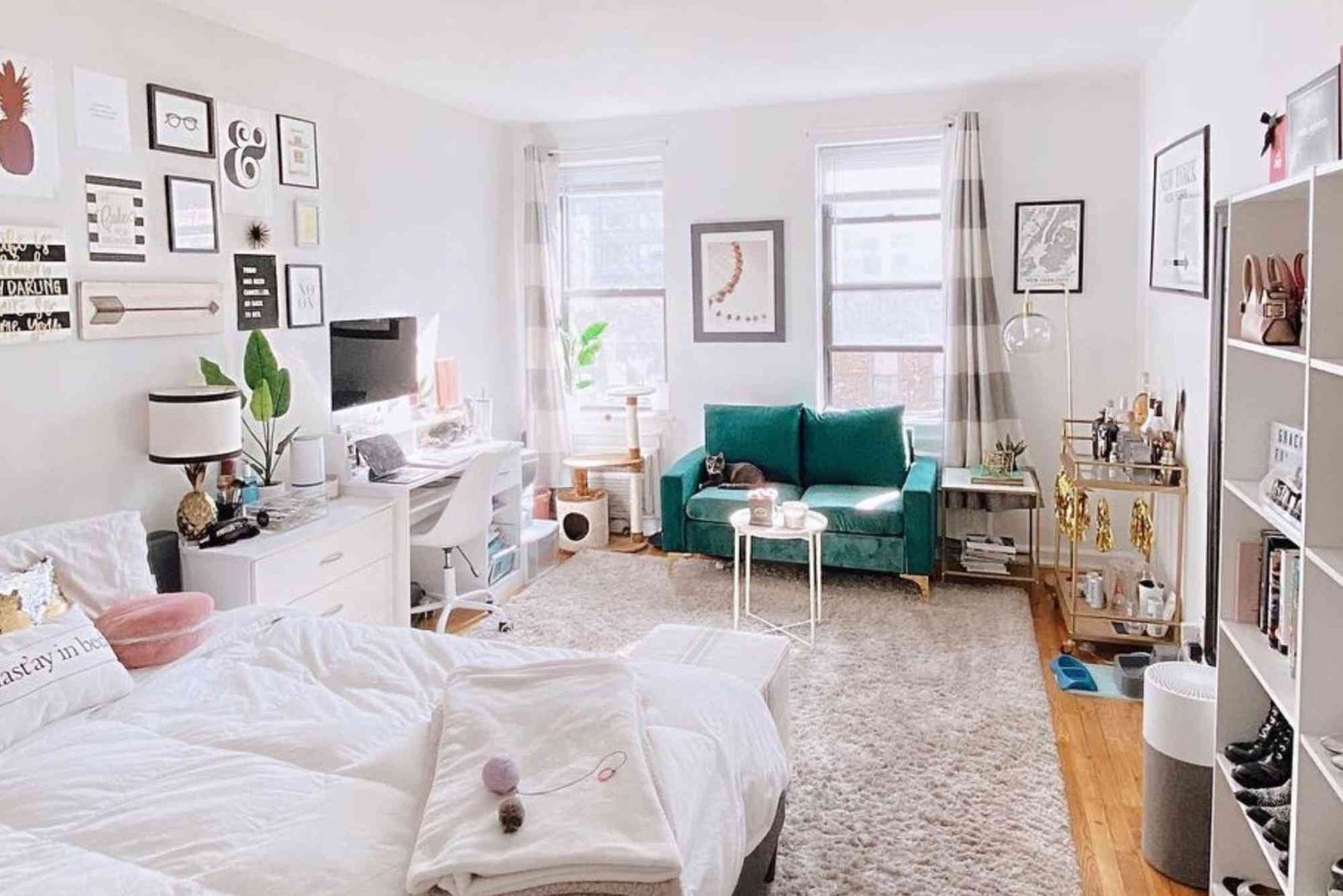
The layout of a one bedroom apartment is designed to maximize usable space while maintaining a clear separation between living areas. Most one bedroom apartments include a living room, bedroom, kitchen, bathroom, and sometimes additional features like closets, balconies, or small dining areas.
Living Room
The living room is usually the central hub of the apartment. It provides space for seating, entertainment, and relaxation. In some designs, the living room may connect directly to the kitchen or dining area, creating an open-concept feel. Thoughtful layout planning ensures that the living room can accommodate essential furniture without feeling cramped.
Bedroom
The bedroom is the defining feature of a one bedroom apartment. It typically includes enough space for a queen or full-size bed, nightstands, and a wardrobe or closet. Some apartments offer built-in storage solutions to maximize space efficiency. A separate bedroom allows for privacy and a clear distinction between work, sleep, and leisure areas.
Kitchen
Kitchens in one bedroom apartments vary widely in size and design. They can range from compact galley kitchens to more open layouts with islands or breakfast bars. Even smaller kitchens are designed to provide the essential appliances and storage needed for daily cooking, such as a refrigerator, oven, stove, and cabinets.
Bathroom
Bathrooms in one bedroom apartments can be private or shared, depending on the building layout. A private bathroom connected to the bedroom is common in modern designs. Typically, it includes a toilet, sink, and shower or bathtub. Some layouts offer additional features like double sinks, storage cabinets, or laundry units.
Additional Features
Many one bedroom apartments include closets, storage rooms, balconies, or even small office spaces. Balconies add outdoor living space, while walk-in closets provide ample room for clothing and personal items. Developers often focus on optimizing these extras to enhance the apartment’s functionality and appeal.
Ideal Tenants for a One Bedroom Apartment
One bedroom apartments are suitable for various tenant types due to their flexible size and layout.
Singles and Young Professionals
For singles or young professionals, a one bedroom apartment offers independence, privacy, and affordability. The separate bedroom allows for rest without interference from work or social activities, while the compact layout reduces maintenance responsibilities.
Couples
Small couples or newlyweds often prefer one bedroom apartments as a starter home. They provide enough space for daily life without the financial commitment of a larger property. One bedroom apartments can also encourage minimalist living and efficient organization, which suits people seeking simplicity.
Students
Students living away from home may find one bedroom apartments ideal, especially if they want a quiet space to study and relax. These apartments provide more privacy than shared dorms or studio units, making them a practical choice for academic life.
Empty Nesters
Older adults whose children have moved out often downsize to one bedroom apartments. These units offer manageable spaces with fewer maintenance needs, allowing seniors to enjoy a more convenient lifestyle.
Price Guide for One Bedroom Apartments
The cost of a one bedroom apartment varies depending on location, size, amenities, and the building’s quality. Urban areas generally command higher prices due to demand and proximity to jobs, transportation, and entertainment. Suburban or rural areas may offer more affordable options.
Rent Costs
In large cities, one bedroom apartment rents can range from $1,000 to $3,000 per month or more. Smaller cities or suburban areas often see rents between $700 and $1,500. Luxury apartments with premium amenities, such as gyms, pools, or concierge services, can significantly increase rental costs.
Purchase Costs
Buying a one bedroom apartment also depends on location and property features. Urban one bedroom units in high-demand neighborhoods may cost between $200,000 and $600,000, while suburban or smaller markets might offer prices from $100,000 to $250,000. Investors often consider one bedroom apartments a strong rental option due to consistent demand from singles, students, and small households.
Additional Costs
When renting or buying, consider utility bills, maintenance fees, property taxes, and insurance. Many apartment complexes charge monthly maintenance fees for shared amenities, which should be factored into the total housing budget. Utilities, such as electricity, water, and internet, vary by region and usage, impacting overall affordability.
Advantages of One Bedroom Apartments
One bedroom apartments provide several advantages that appeal to different tenant types.
Privacy and Comfort
Unlike studio apartments, one bedroom units offer a separate sleeping space, ensuring privacy and comfort. Tenants can relax, entertain guests, and work without interference.
Affordable Living
One bedroom apartments are often more affordable than larger units, making them accessible to singles, young professionals, and small families. They provide essential living spaces without excessive costs.
Easy Maintenance
Smaller square footage means less cleaning, upkeep, and utility consumption. This efficiency is particularly appealing to busy professionals or individuals seeking low-maintenance living.
Investment Potential
For investors, one bedroom apartments can be a reliable rental option. High demand from singles, students, and couples ensures consistent occupancy rates, making it a lucrative choice for rental income.
Disadvantages to Consider
While one bedroom apartments offer many benefits, they also come with potential drawbacks.
Limited Space
One bedroom apartments may feel small for those with extensive belongings or who frequently host guests. Space constraints may require creative storage solutions and careful furniture selection.
Less Flexibility
Expanding living space in the future can be challenging. Tenants planning for a growing family may need to upgrade to a larger unit eventually.
Potential Noise
If the apartment is located in a busy urban area or a high-density building, noise can affect comfort. Choosing units on higher floors or with soundproofing features can help mitigate this issue.
Tips for Choosing the Right One Bedroom Apartment
When selecting a one bedroom apartment, consider location, amenities, and layout preferences. Evaluate the proximity to work, public transport, shopping, and recreational facilities. Check the condition of the building, apartment appliances, and included services. Visit the apartment in person, if possible, to assess space and lighting, ensuring it meets lifestyle needs.
Evaluate Layout Efficiency
Look for a layout that maximizes storage, light, and functional living areas. Open layouts often make smaller apartments feel more spacious.
Consider Building Amenities
Decide which amenities matter most, such as laundry facilities, gyms, or parking spaces. Amenities can improve daily convenience and enhance property value.
Assess Safety and Community
Safety features like secure entry, well-lit surroundings, and a good neighborhood reputation are essential. Consider the community and whether the building atmosphere aligns with personal preferences.
Budget Wisely
Factor in rent, utilities, maintenance, and insurance to determine a realistic budget. Avoid overspending to maintain financial comfort while living in a one bedroom apartment.
A one bedroom apartment offers a perfect blend of privacy, affordability, and convenience for singles, couples, students, and empty nesters. Understanding its layout, ideal tenants, and pricing helps in making informed housing decisions. When searching for a one bedroom apartment, prioritize location, layout efficiency, amenities, and budget. Whether renting or buying, these apartments are versatile, manageable, and increasingly popular in urban and suburban areas alike. Explore available options and choose a one bedroom apartment that fits your lifestyle needs today.
Frequently Asked Questions
What is the difference between a studio and a one bedroom apartment?
A studio combines living, sleeping, and kitchen areas into one open space, while a one bedroom apartment has a separate bedroom for privacy.
How much space does a one bedroom apartment typically have?
Most one bedroom apartments range from 500 to 900 square feet, depending on location and building design.
Who is a one bedroom apartment ideal for?
Singles, couples, students, and empty nesters find one bedroom apartments suitable due to their manageable size and functional layout.
Are one bedroom apartments expensive to rent?
Costs vary by city and amenities. Urban areas are typically more expensive, while suburban areas offer more affordable options.
Can a one bedroom apartment accommodate a home office?
Yes, many one bedroom apartments have space to create a small home office, either in the living room or bedroom, depending on the layout.
Is a one bedroom apartment a good investment?
One bedroom apartments can be strong rental investments due to consistent demand from singles, students, and small families.
Do one bedroom apartments come with parking?
Some units include dedicated parking, while others offer shared or street parking. Check the property details before renting or buying.