Introduction
Apartments are a cornerstone of modern urban living, providing accessible, versatile housing solutions in cities and towns worldwide. Yet, despite their prevalence, many people are unclear about what exactly defines an apartment, how it differs from other residential options, and what role it plays in real estate. This article provides a comprehensive understanding of apartments, their various types, and their uses in the property market.
Understanding the Definition of an Apartment
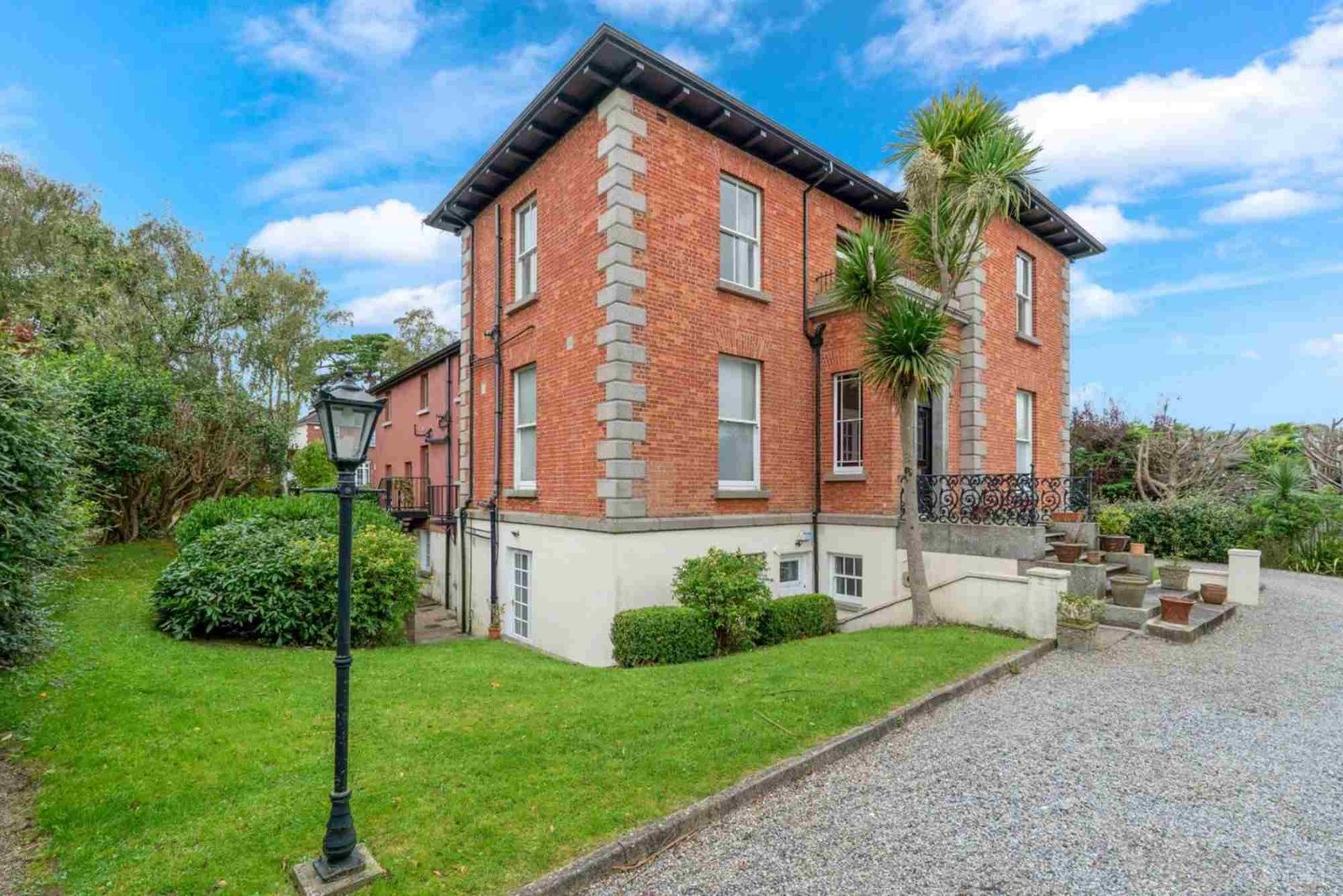
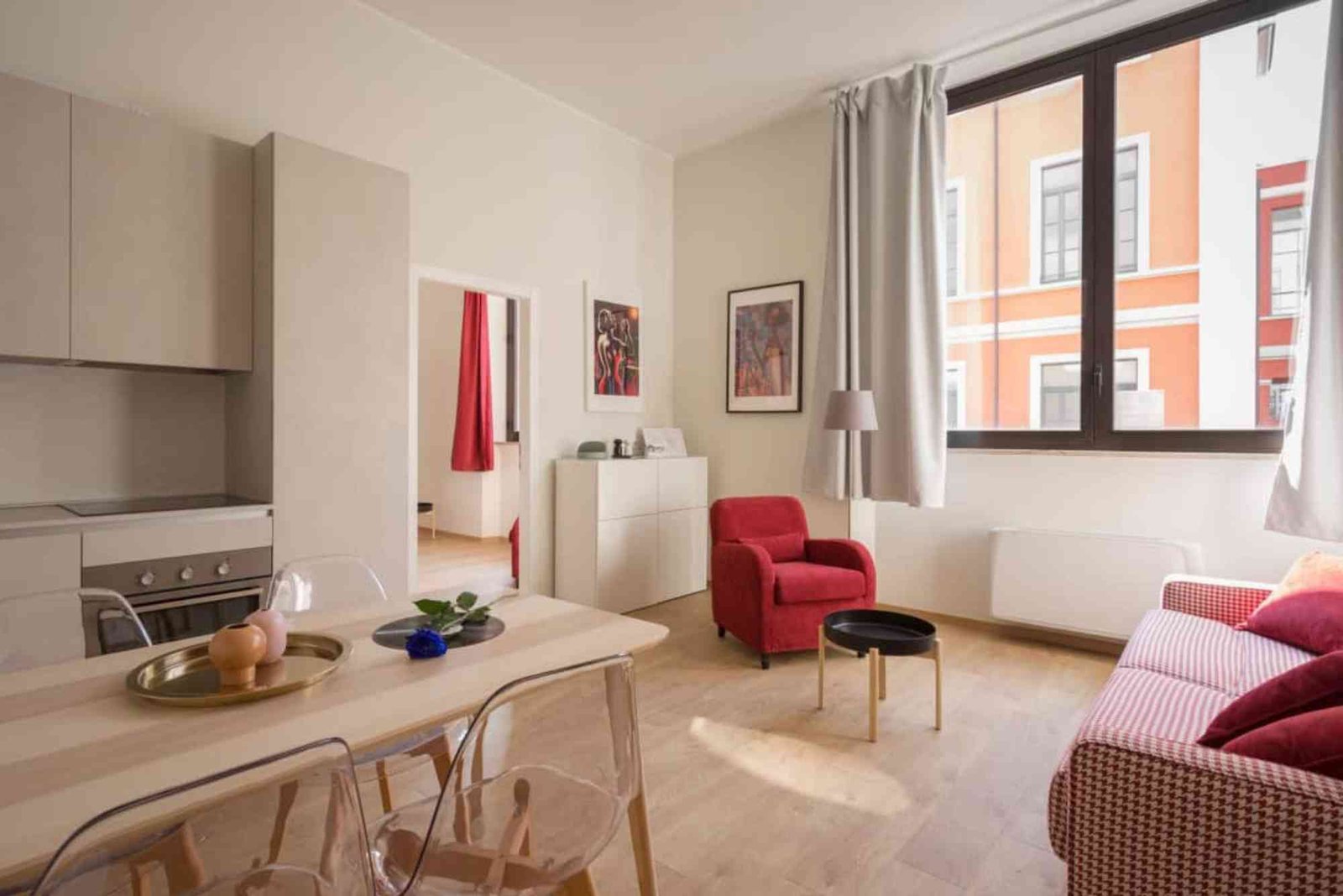
An apartment is a self-contained housing unit located within a larger building or complex. Unlike standalone houses, apartments share walls, floors, or ceilings with neighboring units. Typically, an apartment includes essential living spaces such as a bedroom, living room, kitchen, and bathroom. Apartments may vary in size, style, and amenities, but they all provide private living spaces within a collective structure.
From a legal perspective, an apartment can be rented or owned, often referred to as a condominium if the occupant owns the unit outright. The term may also vary by region, sometimes called a flat, especially in the United Kingdom and other Commonwealth countries. The appeal of apartments lies in their efficient use of space, convenient locations, and shared facilities such as gyms, swimming pools, and security services.
Types of Apartments
Apartments are diverse, designed to cater to different lifestyles and budgets. Understanding these types is essential whether you are renting, buying, or investing.
Studio Apartments
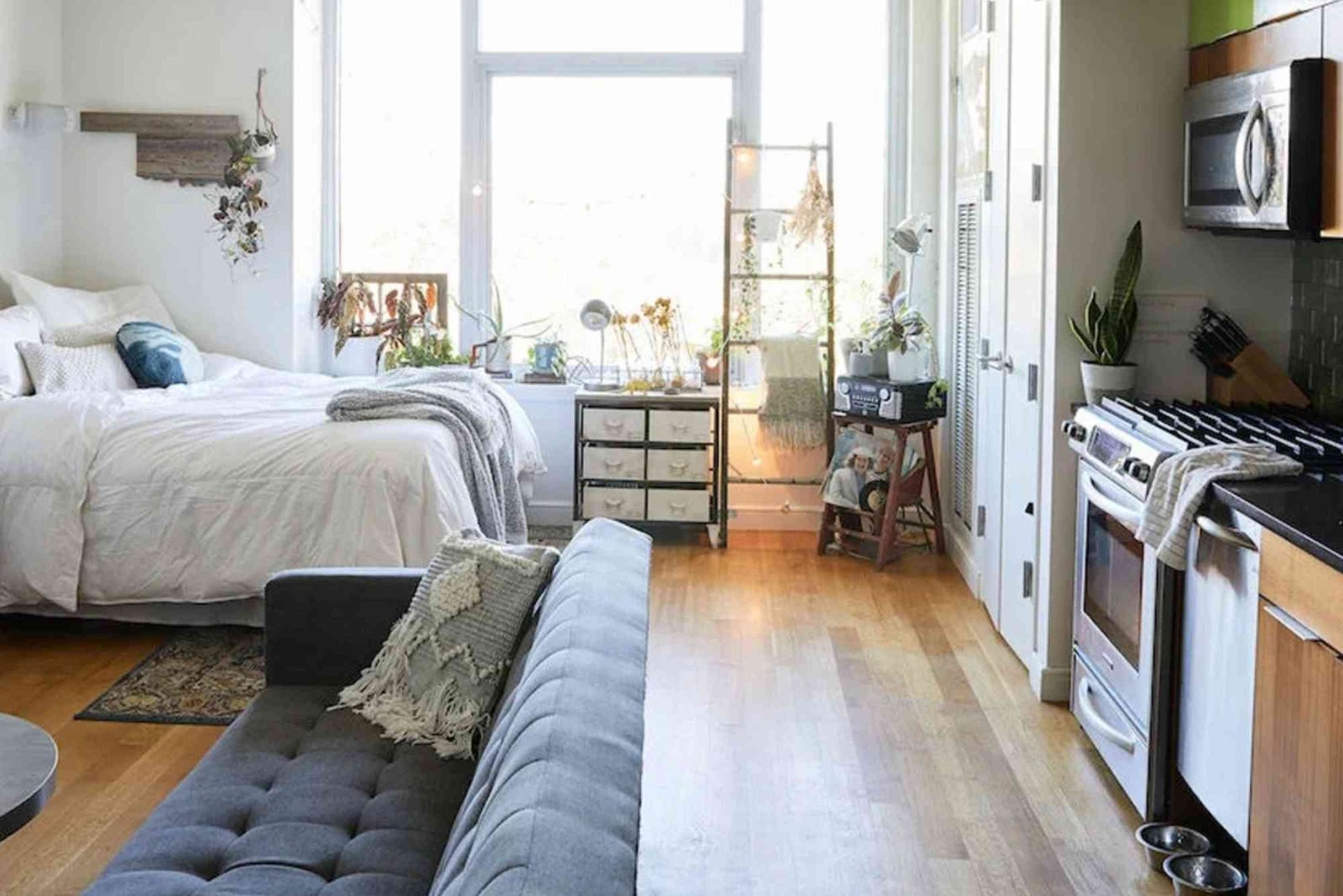
Studio apartments are compact units combining living, sleeping, and kitchen areas into a single open space. They are ideal for individuals or students who prioritize affordability and minimal maintenance. Despite their small size, studios often incorporate smart layouts to maximize usability, such as foldable furniture or built-in storage.
One-Bedroom Apartments
One-bedroom apartments provide a separate bedroom, a living area, and a kitchen. They offer more privacy than studios and suit singles or couples. The extra space also allows for small home offices or guest accommodations.
Two-Bedroom and Multi-Bedroom Apartments
These apartments are suitable for families or roommates. Two-bedroom units provide shared living spaces while offering separate bedrooms for privacy. Multi-bedroom apartments, with three or more bedrooms, often include multiple bathrooms, larger kitchens, and expansive living areas, making them ideal for long-term residents or those seeking investment opportunities for rental income.
Luxury Apartments
Luxury apartments focus on high-end living, offering premium amenities such as concierge services, rooftop terraces, fitness centers, and designer interiors. They are typically located in prime urban areas, providing access to entertainment, shopping, and cultural hubs. Investors often consider luxury apartments for their high rental yields and capital appreciation potential.
Duplexes and Triplexes
A duplex or triplex apartment spans two or three levels within a building. These units often provide the feel of a house with the benefits of apartment living. They appeal to families who desire more space and separation between living areas.
Serviced Apartments
Serviced apartments combine the flexibility of traditional apartments with hotel-like amenities. They are fully furnished, often offering cleaning, laundry, and room service. Serviced apartments are popular among business travelers and temporary residents seeking convenience without the long-term commitment of renting a standard apartment.
Key Features of Apartments
Apartments are distinguished not just by type but also by specific features that enhance livability. Common features include communal areas, security measures, and maintenance services. Shared amenities, such as gardens, gyms, and parking facilities, make apartment living appealing in urban centers. Security is another critical factor, with gated entrances, surveillance cameras, and on-site personnel providing safety for residents. Many apartments also include concierge services or on-call maintenance, simplifying day-to-day living.
Apartments in Real Estate: Uses and Investment Potential
Apartments play a significant role in real estate, serving both residential and investment purposes. For homeowners, apartments provide accessible and affordable housing in cities where standalone houses may be scarce or expensive. Renters benefit from flexibility, lower maintenance responsibilities, and access to amenities.
From an investment perspective, apartments are attractive assets. They generate rental income, offer potential for property value appreciation, and can diversify an investment portfolio. Investors often evaluate factors such as location, building quality, occupancy rates, and potential for renovation or redevelopment before purchasing an apartment. In metropolitan areas, apartments are particularly valuable due to high demand from working professionals and students.
Benefits of Apartment Living
Living in an apartment offers multiple advantages. Apartments are typically more affordable than houses in similar locations, both in purchase price and maintenance costs. Shared amenities reduce individual expenses for facilities like gyms, pools, and gardens. Apartments also offer convenience in terms of location, often situated near public transport, schools, shopping centers, and workplaces.
The social aspect of apartment living is another benefit. Residents often engage with neighbors, fostering community connections. Modern apartment complexes may host social events, providing opportunities to network and build relationships.
Challenges of Apartment Living
Despite their advantages, apartments have limitations. Privacy can be limited due to shared walls and close proximity to neighbors. Noise can be an issue, particularly in older buildings. Additionally, apartments may have restrictions on pets, renovations, or other lifestyle choices. Parking availability and storage space may also be limited, requiring careful planning.
How to Choose the Right Apartment
Selecting the right apartment requires balancing needs, preferences, and budget. Consider factors such as location, size, layout, and amenities. For renters, proximity to work, schools, and public transportation is crucial. Buyers should assess long-term value, potential for rental income, and building quality. Conducting a thorough inspection of the unit, understanding management policies, and reviewing associated costs such as maintenance fees or property taxes are essential steps in making an informed decision.
Apartments Around the World
Apartment culture varies globally, reflecting local lifestyles and real estate practices. In Europe, compact flats are common in historic cities, prioritizing efficiency and proximity to urban centers. In the United States, apartment complexes often include sprawling amenities, catering to family and community-oriented living. In Asia, high-rise apartments dominate cityscapes, maximizing space in densely populated areas. Understanding these regional differences is valuable for investors and renters seeking the best fit for their lifestyle or investment goals.
Future Trends in Apartment Living
The apartment sector continues to evolve, driven by urbanization, technological advancements, and changing lifestyles. Smart apartments equipped with automation systems, energy-efficient appliances, and integrated security solutions are becoming increasingly popular. Co-living apartments, where residents share common areas while maintaining private spaces, are rising in demand among young professionals and students. Sustainability is also a growing focus, with green buildings, solar energy integration, and environmentally friendly materials becoming standard in modern developments.
Apartments are a versatile and practical housing option that caters to a wide range of lifestyles and investment goals. From small studios to luxurious high-rises, apartments provide privacy, convenience, and access to shared amenities. For real estate investors, apartments represent an opportunity for steady income and long-term growth. Whether you are renting your first apartment, purchasing one as a home, or investing in the property market, understanding the types, features, and benefits of apartments is crucial to making informed decisions.
Invest in your future by exploring apartment options today and discover how these living spaces can suit your lifestyle, budget, and long-term goals.
FAQs
What is the difference between an apartment and a flat?
An apartment and a flat are essentially the same; “flat” is commonly used in the UK, while “apartment” is used in the US.
Are apartments a good investment?
Yes, apartments can generate rental income, appreciate in value, and diversify a real estate portfolio.
What is the average size of an apartment?
Apartment sizes vary widely, from compact studios of 300-500 sq ft to multi-bedroom units exceeding 1,500 sq ft.
What amenities do apartments typically offer?
Common amenities include gyms, pools, parking, security, gardens, and shared recreational spaces.
Can you own an apartment?
Yes, apartments can be rented or owned. Ownership is often called a condominium.
Is apartment living more expensive than renting a house?
Apartment living can be more affordable due to lower maintenance costs and shared facilities.
How do I choose the right apartment for me?
Consider location, size, budget, amenities, and building quality when choosing an apartment.