
Introduction
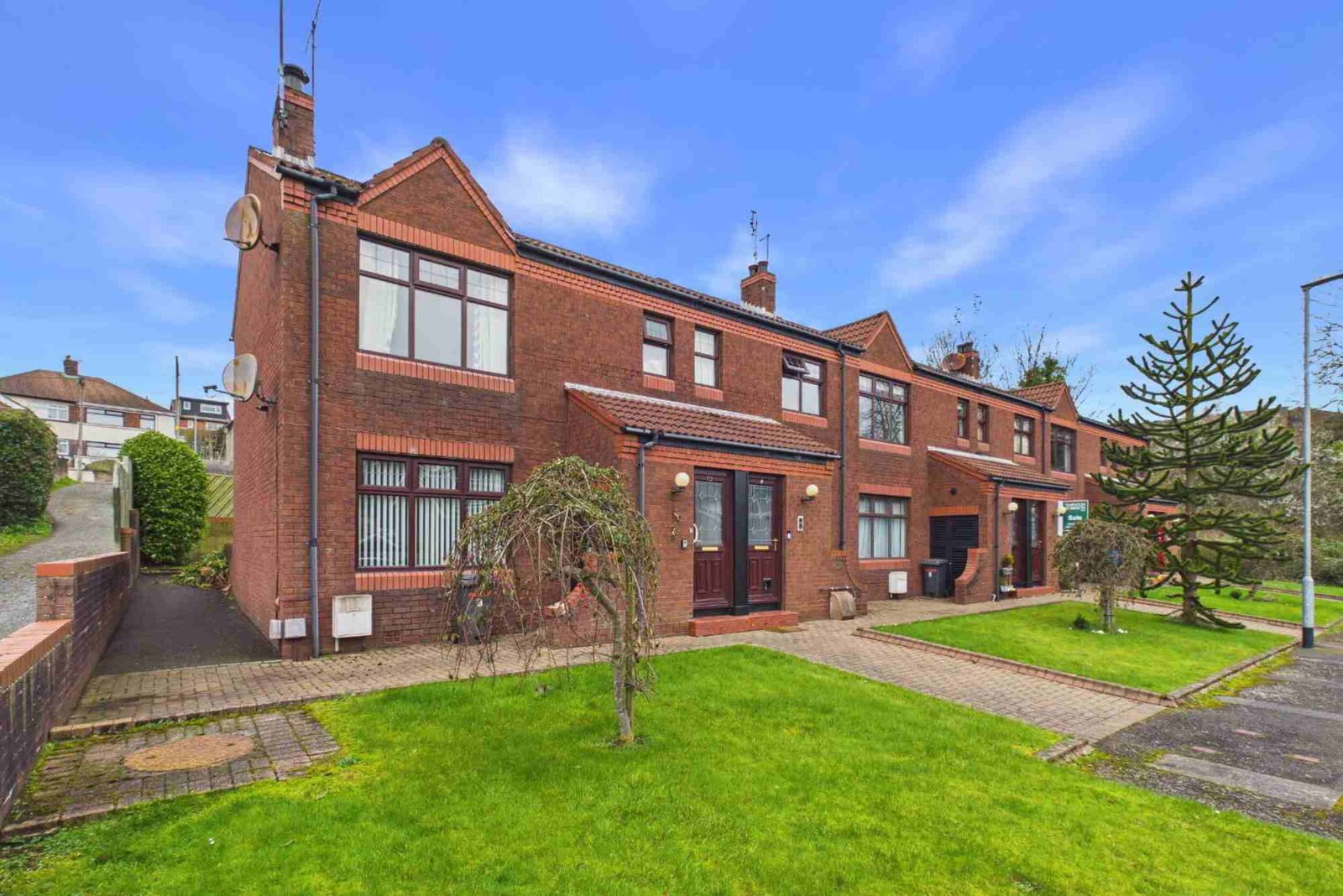
Understanding modern housing options is essential for anyone looking to rent or buy a home. Among these options, an apartment complex stands out as a convenient and versatile choice. But what exactly is an apartment complex? Simply put, an apartment complex is a group of residential buildings containing multiple individual units, designed to accommodate several families or individuals under one property management. These complexes often come with shared amenities, security, and maintenance services, making them a practical option for urban living. Apartment complexes vary in size, style, and facilities, catering to a wide range of needs and budgets.
Apartment complexes are not just buildings; they are communities. They provide a structured living environment where residents can enjoy both privacy and social interaction. Each unit within the complex operates independently, offering residents personal space, while the shared facilities foster a sense of community. The concept is particularly appealing in densely populated cities where standalone houses may be scarce or expensive. Apartment complexes are strategically located to ensure easy access to work, schools, shopping, and recreational areas, offering convenience and lifestyle advantages that few other housing types can match.
Key Facilities of an Apartment Complex
Apartment complexes are more than just residential spaces; they often provide a variety of facilities that enhance the lifestyle of residents. These amenities can range from basic necessities to luxurious features depending on the scale and class of the complex. Security is typically a primary consideration. Most complexes offer gated entries, CCTV monitoring, and sometimes on-site security personnel. This ensures a safe living environment, which is particularly important for families.
Maintenance services are another crucial facility. Apartment complexes often employ dedicated staff to handle repairs, landscaping, and general upkeep. This convenience allows residents to focus on their daily lives without worrying about property management issues. Common areas like lobbies, gardens, and recreational zones are regularly maintained, keeping the complex attractive and functional.
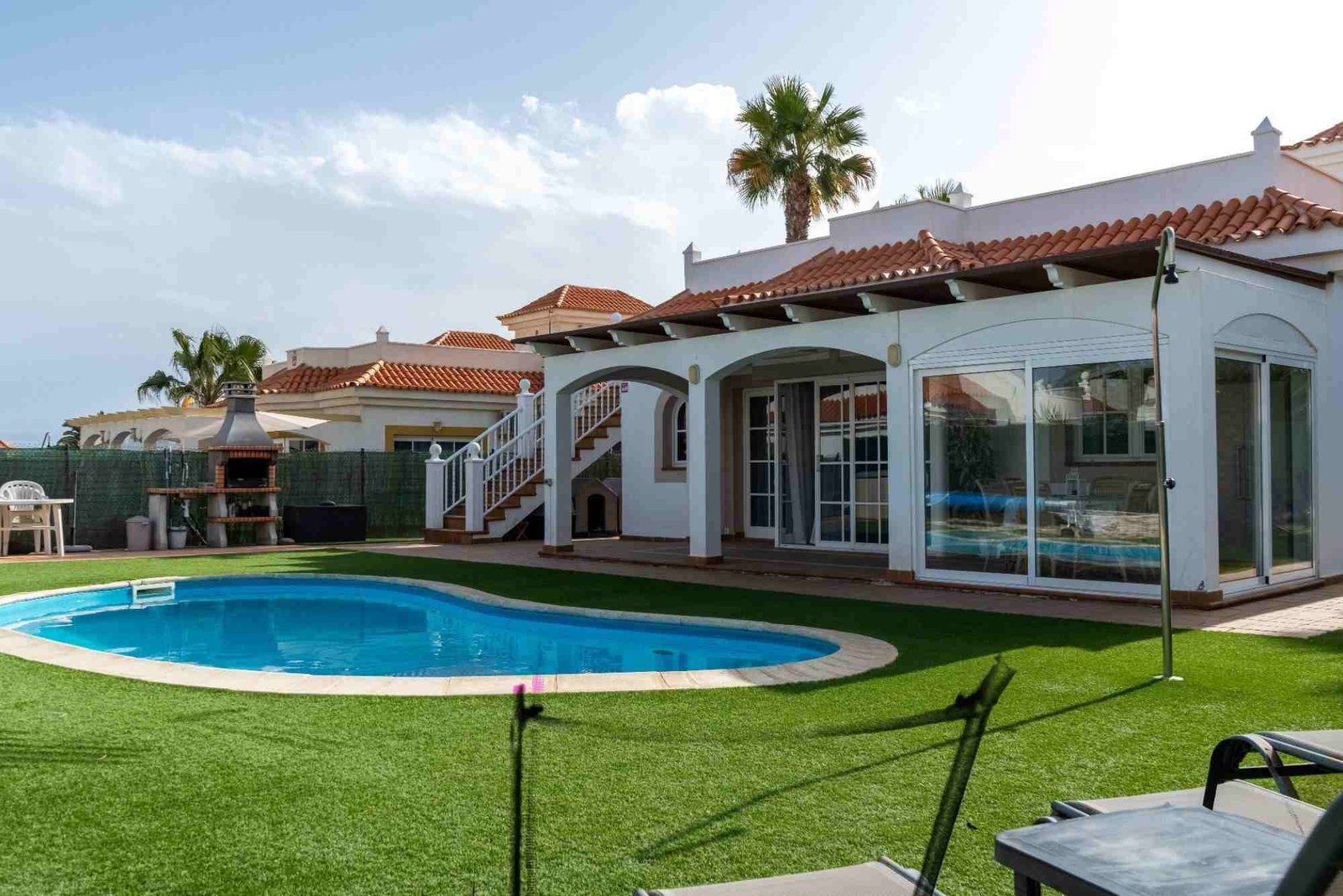
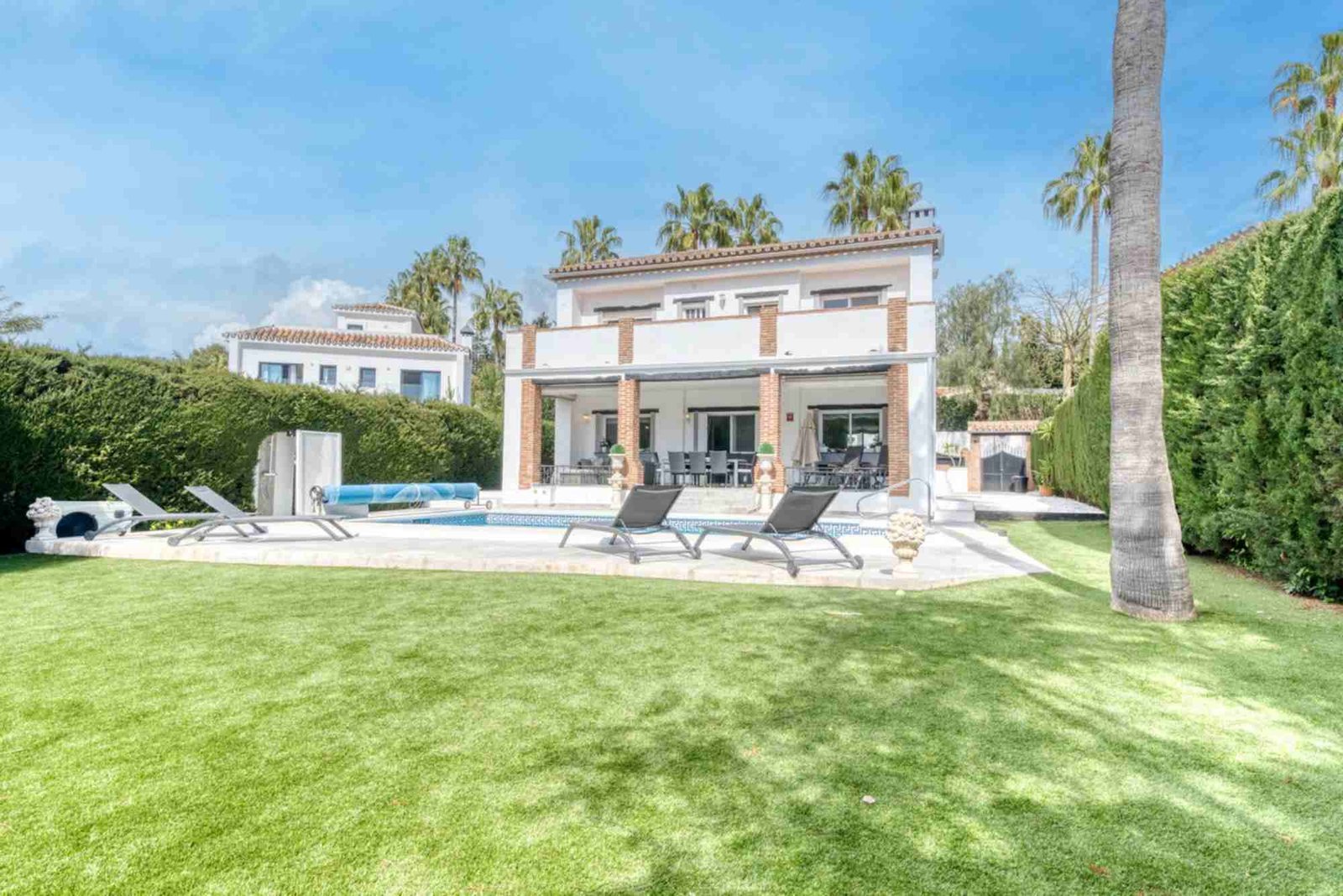
Recreational amenities are increasingly a hallmark of modern apartment complexes. Many provide swimming pools, gyms, sports courts, and playgrounds. These facilities encourage a healthy lifestyle and create spaces for social interaction. Community halls and event spaces are also common, allowing residents to host gatherings without leaving the premises. Parking is another vital feature. Most complexes offer designated parking spaces for residents and visitors, sometimes including covered or underground options. In addition to these, some apartment complexes go a step further by including convenience stores, cafes, and daycare centers within the property. These additions reduce the need for residents to travel for daily needs, making life more efficient and comfortable. The combination of security, maintenance, recreation, and convenience makes apartment complexes a highly desirable living option for individuals and families alike.
Types of Apartment Units
Apartment complexes offer a variety of unit types to cater to different needs and budgets. Understanding these types can help prospective tenants or buyers make informed decisions. Studio apartments are usually the most compact units. They combine the living, sleeping, and kitchen areas into a single space. Studios are ideal for singles or individuals who prefer minimal living spaces and affordable options. One-bedroom apartments provide a separate bedroom, living room, and kitchen, offering more privacy and comfort compared to a studio. They are popular among young professionals and couples.
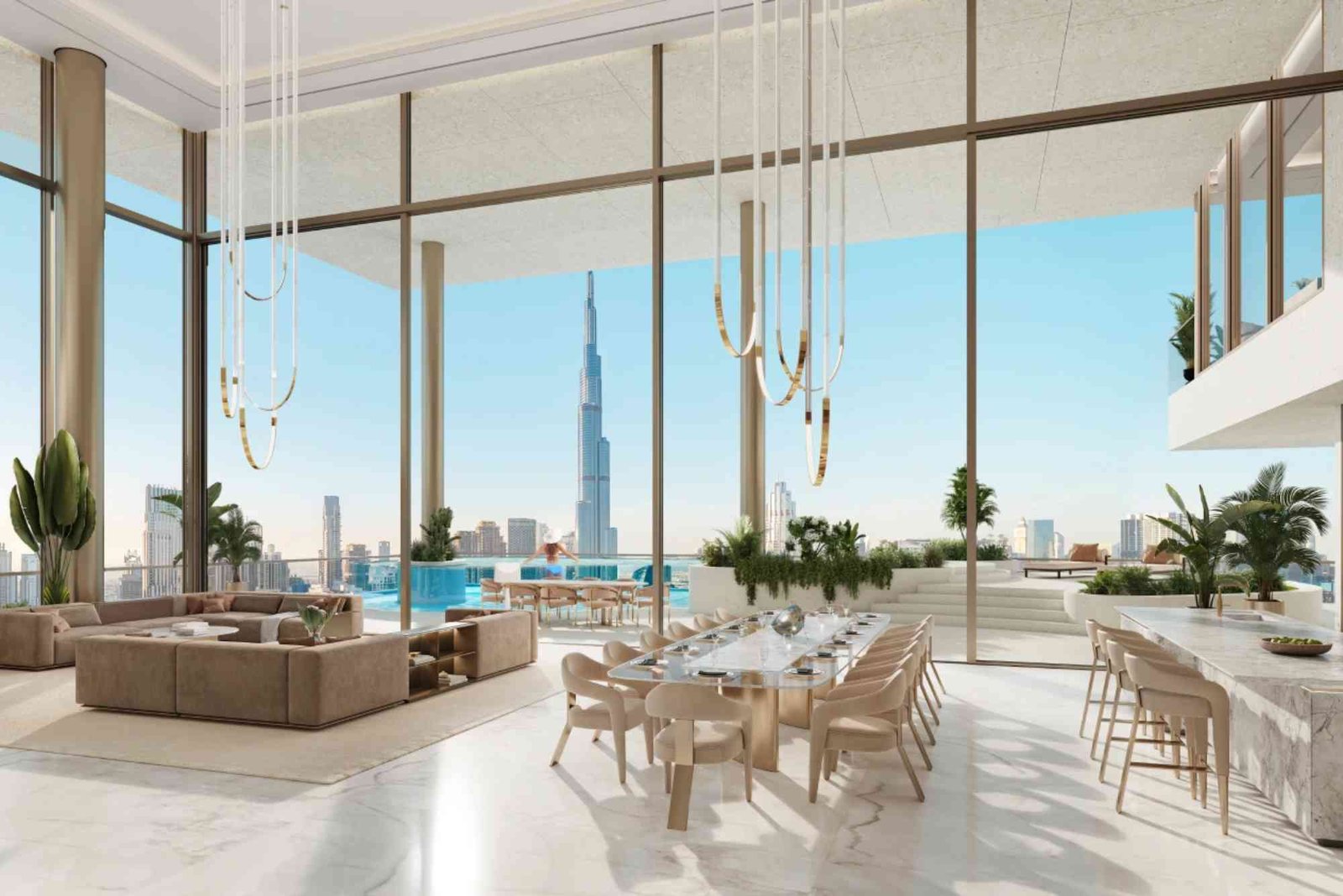
Two-bedroom and three-bedroom apartments are common in family-oriented complexes. These units provide additional rooms for children, guests, or home offices. The layouts vary, but they generally include a combination of bedrooms, bathrooms, living areas, and sometimes balconies. Some larger complexes also offer penthouse apartments, which are premium units located on the top floors. Penthouses often feature high-end finishes, expansive views, and exclusive amenities.
Some apartment complexes have specialized units like lofts and duplexes. Lofts usually feature high ceilings, open floor plans, and large windows, providing a modern and artistic appeal. Duplexes are split-level apartments, offering two floors connected by an internal staircase. This configuration can mimic the feel of a house while maintaining the benefits of apartment living. Many complexes also accommodate accessible units for individuals with disabilities. These apartments are designed with ramps, wider doorways, and other features to ensure comfort and mobility for residents with special needs.
Advantages of Living in an Apartment Complex
Living in an apartment complex offers numerous advantages that appeal to different demographics. One of the primary benefits is convenience. Residents often enjoy proximity to schools, shopping centers, and public transportation. This is particularly beneficial in urban areas, where commuting time can be significant. Another advantage is security. With controlled access, surveillance systems, and on-site personnel, residents can feel safe and at ease.
Maintenance convenience is another notable benefit. Property management teams handle repairs, cleaning of common areas, landscaping, and other chores, freeing residents from these responsibilities. Social interaction is another perk. Shared spaces such as gyms, playgrounds, and community halls provide opportunities to meet neighbors, fostering a sense of belonging. Flexibility in leasing is common in apartment complexes, allowing short-term or long-term rental agreements, which is ideal for individuals with changing work or personal circumstances.
Cost-effectiveness is also a consideration. While apartments may appear expensive initially, the shared amenities and maintenance services often reduce long-term costs compared to owning a standalone house. Moreover, apartment complexes are often energy-efficient. Features like centralized heating, cooling systems, and shared resources contribute to lower utility bills and a reduced environmental footprint.
Factors to Consider Before Choosing an Apartment Complex
Before selecting an apartment complex, several factors should be considered to ensure the choice aligns with personal needs and lifestyle. Location is crucial. Proximity to work, schools, and public transportation can significantly impact daily routines. Understanding the neighborhood’s safety, accessibility, and local amenities is equally important.
The type and size of the apartment unit should match the residents’ lifestyle. Families may require multiple bedrooms, while singles or couples may prefer compact spaces. Evaluating the facilities and amenities is also vital. While some complexes offer luxurious features, others may only provide basic services. Balancing personal requirements with the cost is essential.
Lease terms and management quality should not be overlooked. Clear rental agreements, responsive property management, and transparent policies can prevent potential issues. Additionally, it’s important to review maintenance practices, pet policies, parking availability, and community rules to ensure they align with the resident’s expectations.
Apartment complexes are more than just a collection of buildings; they represent modern, convenient, and community-focused living. With a range of unit types, extensive facilities, and benefits like security, maintenance, and social opportunities, they provide a compelling option for individuals and families alike. Whether you are looking for affordability, flexibility, or luxury, there is likely an apartment complex that meets your needs. Considering factors like location, amenities, and management quality can ensure you make a well-informed decision. Explore apartment complexes today to find a space that combines comfort, convenience, and community.
FAQs
What is an apartment complex?
An apartment complex is a group of residential buildings with multiple units, shared amenities, and professional management.
What facilities are typically available in an apartment complex?
Common facilities include security, parking, gyms, pools, parks, and community spaces for recreation and social interaction.
What types of units are offered in an apartment complex?
Units range from studios and one-bedroom apartments to larger three-bedroom units, penthouses, and duplexes.
Are apartment complexes more secure than standalone houses?
Yes, most apartment complexes provide gated entrances, security personnel, and surveillance systems for enhanced safety.
How do I choose the right apartment complex?
Consider location, amenities, unit size, management quality, and budget to select a complex that fits your lifestyle.
Do apartment complexes include maintenance services?
Most managed complexes offer maintenance services for plumbing, electrical issues, landscaping, and general upkeep.
Can I rent or buy units in an apartment complex?
Yes, many apartment complexes offer both rental and ownership options, depending on the property type and location.
Are amenities included in the rent?
This depends on the complex; some include amenities in the rent, while others may charge additional fees for certain services.