Introduction
Studio apartment living has become increasingly popular in urban areas where space is limited and housing costs are high. A studio apartment, sometimes called a bachelor or efficiency apartment, is a compact living space that combines a bedroom, living area, and kitchenette into a single room. Despite its small footprint, it offers many advantages for certain lifestyles, though it also comes with challenges. Understanding the dynamics of studio apartment living can help you decide if it aligns with your needs and preferences.
Understanding Studio Apartments
Studio apartments are designed to maximize efficiency within a limited square footage, often ranging from 300 to 600 square feet. The open layout allows residents to combine multiple functions—sleeping, working, cooking, and relaxing—within one cohesive space. Some studios include separate bathrooms, while others may have combined wet areas. The simplicity and compactness of studio apartments are part of their appeal, especially in cities where high rent and limited housing make smaller living spaces more practical.
The flexibility of studio layouts also allows residents to personalize their space creatively. With thoughtful furniture placement and multifunctional pieces, a studio can feel spacious and comfortable. These apartments are particularly common in metropolitan areas, near universities, and in locations where young professionals, singles, or minimalists are seeking affordable housing.
Pros of Studio Apartment Living
Affordability
One of the biggest advantages of studio apartment living is cost. Rent and utility bills are generally lower than in larger apartments. This makes studios attractive to individuals who are starting their careers, students, or those seeking to reduce living expenses. For urban dwellers, choosing a studio can free up funds for savings, travel, or other lifestyle priorities.
Low Maintenance
A smaller space means less cleaning and upkeep. Unlike larger apartments or houses, studio residents can spend less time maintaining their living area, making it ideal for busy professionals or people with demanding schedules. Cleaning a studio is simple and quick, which reduces stress and frees up time for work or hobbies.
Prime Locations
Studios are often available in central locations that might otherwise be unaffordable. By choosing a smaller space, residents can live closer to work, nightlife, cultural venues, and public transportation. This convenience enhances the quality of life and minimizes commuting time, which can be particularly valuable in bustling cities.
Efficient Use of Space
Studio apartments encourage minimalist living and creative organization. Residents learn to maximize storage and use multifunctional furniture, such as fold-out beds, convertible tables, and storage ottomans. This approach promotes simplicity and encourages mindful consumption, which can be psychologically liberating.
Flexibility and Mobility
Because studios are smaller and often easier to rent or lease, they offer flexibility for people who may relocate frequently. This is ideal for professionals on temporary assignments, students, or anyone who values mobility over permanence. The minimalistic lifestyle often associated with studios also means fewer belongings to move, making transitions smoother.
Cons of Studio Apartment Living
Limited Privacy
One of the main drawbacks of studio living is the lack of separate rooms. Activities such as sleeping, working, and hosting guests all occur in the same space. This can create challenges for individuals who work from home or have visitors, as it can be difficult to separate personal life from work or social interactions.
Small Storage Space
Studio apartments generally have limited storage options. Closets are smaller, and there may be little space for large furniture or extensive belongings. Residents need to be disciplined about decluttering and prioritizing essential items, which may not suit everyone.
Potential for Clutter
Because all functions occur in one space, clutter can accumulate quickly. Without consistent organization, a studio can feel cramped and overwhelming. Effective use of vertical space, clever storage solutions, and minimalism are essential for maintaining comfort and aesthetics.
Noise Concerns
In urban areas, studio apartments are often in multi-unit buildings with thin walls. The lack of internal space separation can amplify noise from neighbors, street traffic, or appliances. This can be disruptive for light sleepers or those sensitive to sound.
Limited Social Space
Hosting gatherings in a studio is more challenging due to the compact layout. Entertaining friends or family might require creativity, as the space may only accommodate a few people comfortably. Individuals who frequently host guests may find the limitations restrictive.
Who Studio Apartment Living Is Right For
Studio apartments suit individuals who prioritize location, cost, and convenience over space. They are ideal for young professionals, students, or singles who do not require separate bedrooms or extensive storage. Those who enjoy minimalist lifestyles and value efficiency will thrive in studio living. For people who work from home, studios may require careful planning to create distinct areas for work, rest, and leisure. Creative design solutions, such as room dividers, modular furniture, and multifunctional layouts, can make a studio apartment more comfortable and productive.
Couples may find studio living challenging unless they are highly organized and comfortable with minimal personal space. For families or those needing private rooms, a studio may not provide adequate living conditions. However, for those who are single, mobile, or looking for temporary housing solutions, studios are an attractive choice.
Design and Organization Tips for Studio Apartments
Multifunctional Furniture
Furniture that serves multiple purposes is essential in studio apartments. Sofas that convert into beds, tables that double as desks, and ottomans with storage help maximize usable space. This approach allows residents to maintain functionality without overcrowding the apartment.
Vertical Storage Solutions
Using walls for shelving and storage units is an effective way to reduce clutter. Vertical storage allows residents to keep belongings organized without taking up precious floor space. Hooks, hanging organizers, and floating shelves can create an open, airy feeling even in a compact studio.
Zone Creation
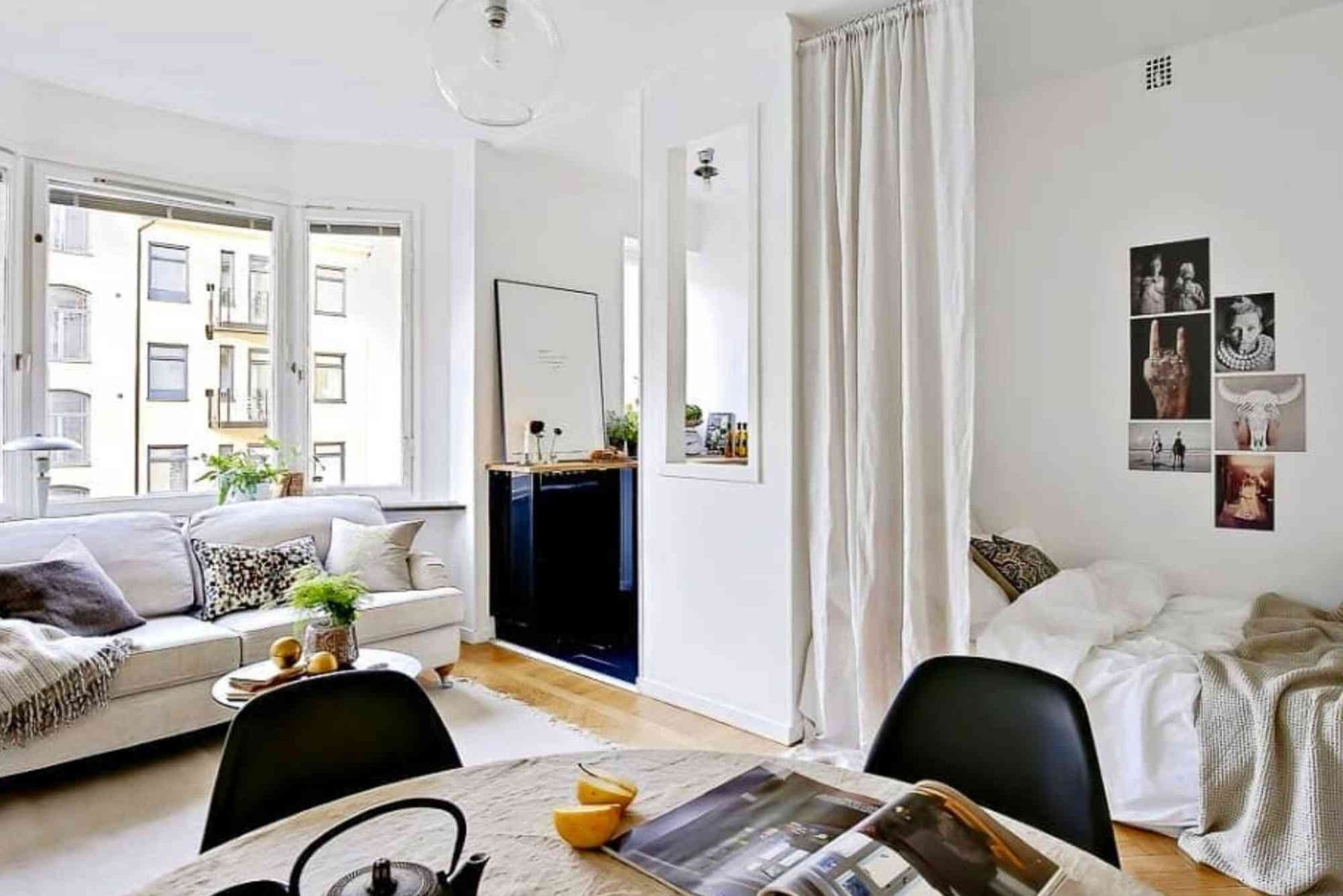
Even in a single-room layout, creating distinct zones for sleeping, working, and relaxing can enhance comfort. Area rugs, room dividers, or furniture placement can visually separate spaces, providing a sense of privacy and organization.
Minimalist Approach
Studio apartment living benefits from a minimalist mindset. Prioritizing essential items and avoiding unnecessary clutter ensures the space feels open and inviting. Mindful purchasing and regular decluttering can prevent overcrowding and maintain a sense of tranquility.
Lighting and Décor
Good lighting can make a small space appear larger and more welcoming. Combining natural light with strategically placed lamps creates depth and warmth. Mirrors can also visually expand the area, while light-colored walls and decor enhance brightness. Personal touches such as artwork and plants add character without overwhelming the space.
Studio apartment living offers a unique lifestyle that balances affordability, convenience, and efficiency. It is best suited for individuals who value location, minimalism, and mobility. While the lack of privacy, limited storage, and potential for clutter can be challenging, strategic design, organization, and a minimalist mindset can transform a studio into a comfortable and stylish home.
For those seeking a compact, manageable, and centrally located living space, studio apartments provide a practical solution. Understanding the pros and cons allows potential residents to make informed decisions and create a space that meets their lifestyle needs. Whether you are a student, young professional, or minimalist, studio apartment living can be a rewarding choice if approached thoughtfully. Ready to embrace studio apartment living? Explore available options in your city and start designing a functional and stylish space that fits your lifestyle today.
FAQs
What is a studio apartment?
A studio apartment is a single-room living space that combines a bedroom, living area, and kitchenette, sometimes with a separate bathroom.
How much space does a studio apartment usually have?
Studio apartments typically range from 300 to 600 square feet, although sizes vary depending on location and building design.
Who should consider living in a studio apartment?
Studio apartments are ideal for singles, students, young professionals, and minimalists who prioritize cost, location, and simplicity over space.
Are studio apartments good for couples?
Couples can live in studios if they are comfortable with limited space and shared areas, but privacy and storage can be challenges.
How can I make a studio apartment feel bigger?
Use multifunctional furniture, vertical storage, mirrors, light colors, and well-planned lighting to create an open and spacious feeling.
Is studio apartment living expensive?
Studio apartments are generally more affordable than larger apartments, making them an attractive choice for budget-conscious residents in urban areas.
Can I work from home in a studio apartment?
Yes, but it may require careful zoning and organization to separate work, sleep, and living areas effectively.