Introduction
Choosing a pet when living in an apartment can be challenging. Limited space, shared walls, and busy schedules often dictate the type of pet that fits best. Apartment-friendly pets are typically low-noise, easy to maintain, and comfortable in smaller spaces. Understanding which animals thrive in these environments ensures both your comfort and your pet’s well-being.
Understanding Apartment Living and Pet Needs
Apartment life comes with unique challenges for pet ownership. Unlike houses with yards, apartments offer confined areas, which means pets must adapt to smaller spaces and often less outdoor time. This restriction affects the pet’s exercise, behavior, and overall happiness.
Some pets require large territories or frequent outdoor activity. Dogs, for example, need walks and stimulation to stay healthy. While this is possible in apartments, it demands extra planning and commitment. Choosing the right pet depends on your lifestyle, noise tolerance, and the time you can dedicate to care.
Factors to Consider When Choosing an Apartment Pet
Space Requirements
Space is one of the most important considerations. Large animals may feel cramped, leading to stress or destructive behaviors. Low-space pets, such as small mammals or certain reptiles, require minimal room while still enjoying comfort and mobility.
Noise Levels
Apartments are shared environments. Excessive barking, chirping, or squeaking can disrupt neighbors. Low-noise pets are ideal, ensuring harmony and peace in a confined living area. Even pets with naturally louder tendencies can adapt if trained properly, but quieter animals generally pose fewer challenges.
Maintenance and Care
Maintenance refers to grooming, cleaning, and daily care. High-maintenance pets can quickly become overwhelming in tight living conditions. Low-maintenance pets that thrive in controlled environments suit busy apartment dwellers.
Social Needs and Compatibility
Some animals need constant social interaction, while others are more independent. Consider how much attention you can give and whether the pet can remain calm and content alone for periods. Independent or semi-social pets often suit apartments best.
Low-Noise, Low-Space Friendly Pets
Small Mammals
Small mammals, like hamsters, guinea pigs, and rabbits, are ideal apartment companions. They require modest cages and minimal space. These animals are generally quiet and can live happily in well-maintained enclosures. Rabbits, in particular, enjoy interactive playtime and can adapt to litter training, making them convenient for indoor life.
Cats
Cats are naturally independent and adapt well to confined living spaces. They are typically quiet, self-cleaning, and require minimal outdoor interaction. Cats enjoy vertical spaces like shelves or window perches, maximizing the use of apartment square footage. Indoor enrichment, such as toys and scratching posts, keeps them active and healthy.
Fish
Fish are silent pets that occupy almost no living space. Aquariums can vary in size, allowing flexibility for small apartments. Fish provide a calming presence and require daily feeding and tank maintenance. Modern filtration systems make upkeep easier, ensuring a healthy aquatic environment without excessive noise.
Reptiles
Reptiles, including geckos, snakes, and turtles, are low-noise pets that thrive in terrariums. They require controlled temperature and humidity but are generally independent and do not demand attention like mammals. Reptiles are ideal for those interested in observing behavior rather than constant interaction.
Birds (Small Species)
While some birds are loud, small species like finches or parakeets are quieter options. They need cages with perches, toys, and regular interaction. Birds can be very social but generally require less space than mammals. Keeping them happy involves providing mental stimulation through foraging toys and safe flying time within the apartment.
Creating a Comfortable Environment for Apartment Pets
Maximizing Space
Utilize vertical space with shelves, hammocks, and multi-level enclosures. Small animals thrive when their environment mimics natural habitats, even in limited areas. Cats particularly benefit from climbing structures, while birds enjoy elevated perches.
Reducing Noise
White noise machines or soft music can mask unavoidable sounds from pets. Training and regular interaction reduce stress-induced vocalizations. For dogs, early obedience training is key to minimize barking. Even quiet animals can create noise if bored or stressed, so enrichment is crucial.
Regular Exercise
Even low-space pets need physical activity. Exercise wheels, tunnels, or play sessions encourage movement and prevent obesity. Cats and small mammals benefit from short interactive play sessions, while reptiles may require structured exploration outside their enclosure under supervision.
Mental Stimulation
Boredom can lead to destructive behavior. Puzzles, toys, and interaction keep apartment pets engaged. Rotating toys and introducing new stimuli prevent monotony. Simple activities, such as hiding treats or teaching tricks, enhance cognitive development.
Advantages of Low-Noise, Low-Space Pets
Reduced Stress for Owners
Quiet pets create a calm living environment, ideal for people working from home or with sensitive neighbors. Reduced stress helps maintain harmonious relationships in shared living spaces.
Easy Integration into Busy Lifestyles
Low-maintenance pets require less constant care, making them suitable for professionals or those with irregular schedules. Their adaptability ensures they remain healthy even with limited supervision.
Cost-Effective Care
Smaller, low-space pets often incur lower costs for food, toys, and veterinary care. They are budget-friendly companions without compromising companionship quality.
Enhanced Longevity
Many low-noise pets have longer lifespans when properly cared for. Fish, reptiles, and small mammals can live years with minimal space, offering long-term companionship.
Common Mistakes When Choosing an Apartment Pet
Ignoring Noise Levels
Assuming a pet will naturally be quiet can lead to conflicts with neighbors. Research species tendencies and prepare for potential noise.
Overestimating Space Needs
Even small animals need more than just a cage or tank. Consider enrichment, exercise space, and vertical elements to ensure comfort.
Underestimating Social Needs
Some pets, such as rabbits and certain birds, require social interaction. Neglecting this can cause behavioral issues or depression.
Choosing High-Maintenance Pets
Exotic or high-maintenance pets may struggle in apartment settings. Evaluate care requirements realistically before committing.
Apartment Pet Success Tips
Routine Care and Training
Establishing consistent routines helps pets adjust to apartment life. Feeding, cleaning, and interaction at regular times create predictability.
Enrichment Rotation
Regularly rotate toys and structures to maintain engagement. Mental stimulation is as important as physical activity.
Regular Veterinary Checkups
Routine health checks prevent common issues and ensure long-term well-being. Preventive care minimizes stress for both pet and owner.
Respecting Neighbors
Manage noise, scents, and interactions with neighbors. Consider shared living etiquette, especially in high-density apartments.
Choosing the best pet for an apartment requires balancing space, noise, and care needs. Small mammals, cats, reptiles, quiet birds, and fish offer low-noise, low-space-friendly options. Creating a comfortable environment, maintaining routines, and providing enrichment ensures happy pets and harmonious apartment living. By carefully considering your lifestyle and your pet’s requirements, you can enjoy a fulfilling and stress-free companionship experience. If you’re ready to welcome a pet into your apartment, start by assessing your space, schedule, and preferences. Your ideal low-noise, low-space companion is waiting to bring joy to your home.
FAQs
What pets are best for small apartments?
Small mammals, cats, reptiles, and quiet birds are ideal for apartment living. They require minimal space and are generally low-noise.
Can dogs live happily in apartments?
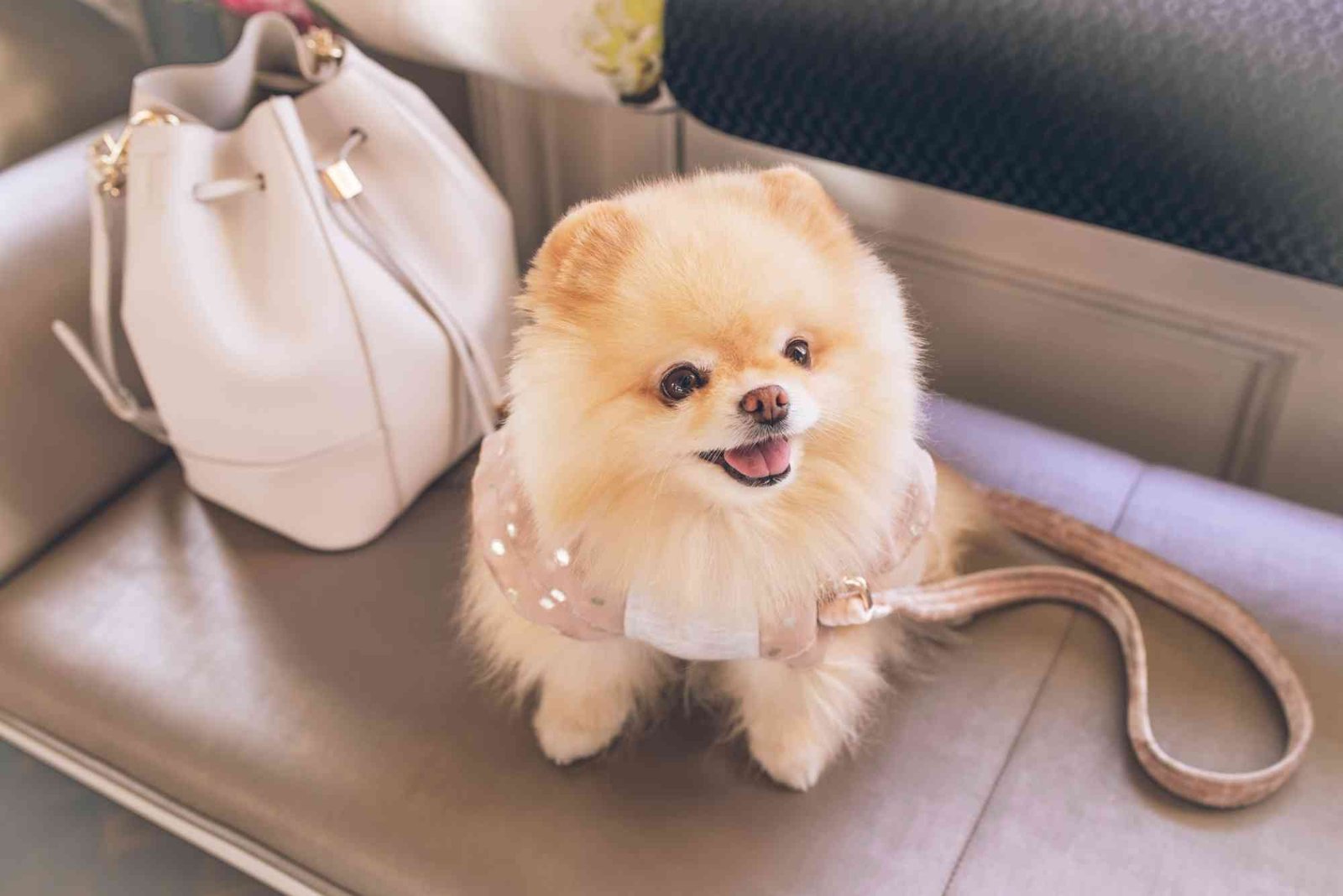
Yes, small or medium dogs can thrive in apartments if they receive regular exercise, mental stimulation, and social interaction.
Are reptiles good apartment pets?
Absolutely. Reptiles are low-noise, independent, and require controlled enclosures, making them suitable for small living spaces.
Do fish make good pets in apartments?
Yes. Fish are silent, low-maintenance pets that occupy very little space, making them perfect for apartment life.
How do I reduce pet noise in an apartment?
Provide enrichment, training, and regular interaction. White noise machines and designated play areas also help minimize disturbances.