
Introduction
Understanding the term “apartment” is essential for anyone navigating the real estate market, whether buying, renting, or investing. While most people casually use the term to describe a residential unit within a building, the legal and real estate definitions carry specific nuances. Apartments are not just spaces for living; they come with rules, ownership structures, and varying rights depending on location and legal frameworks. In this article, we’ll explore the definition of an apartment, its legal meaning, its usage in real estate, and practical insights for tenants and property owners.
What Is an Apartment?
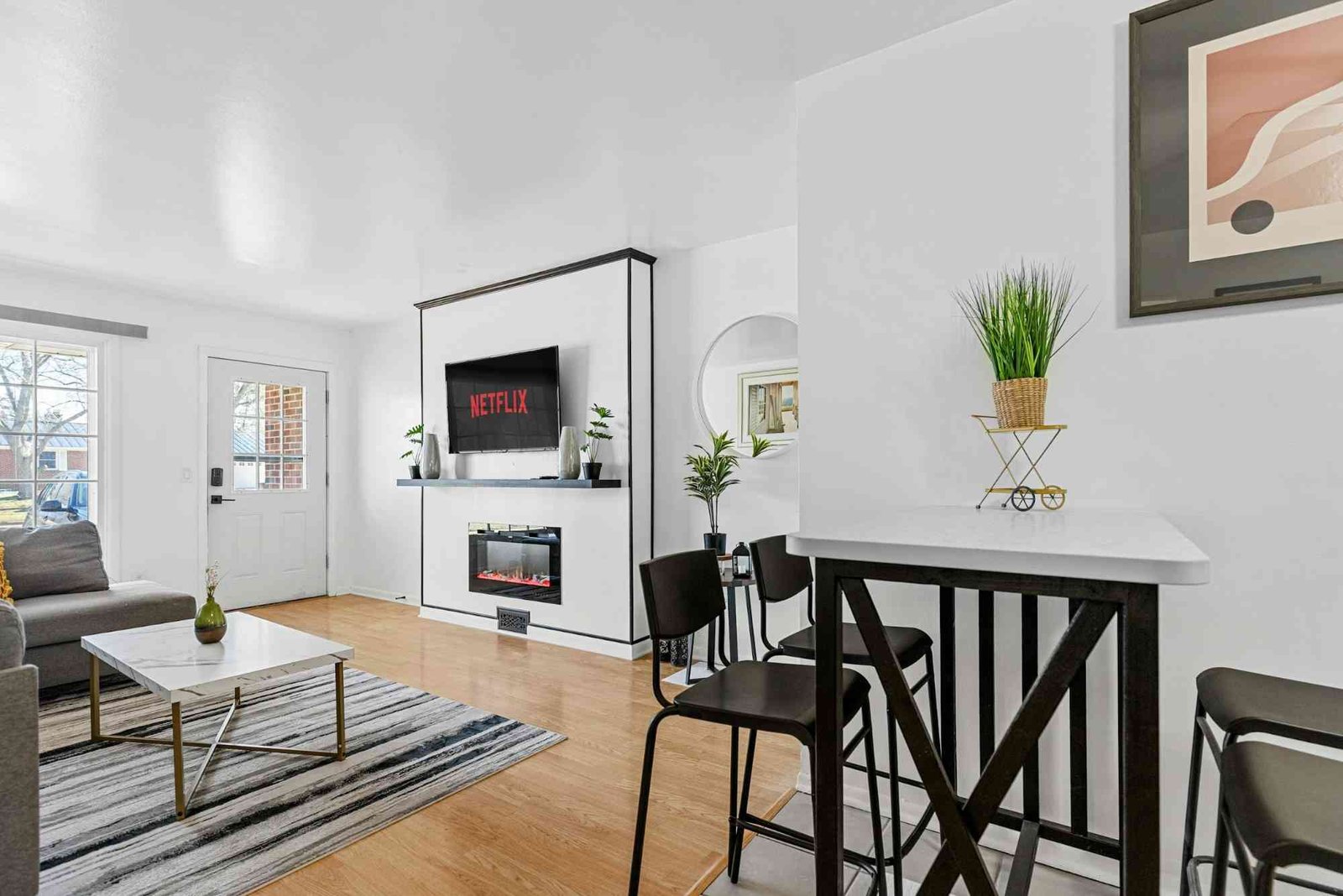
An apartment is generally defined as a self-contained housing unit within a larger building, typically comprising multiple such units. Each apartment usually contains bedrooms, a kitchen, a living area, and a bathroom. Apartments can vary significantly in size, style, and design, ranging from studio units to multi-bedroom layouts. The term is commonly used in North America, while other regions might use “flat” or “unit.”
Apartments are primarily designed for residential purposes, allowing individuals or families to reside independently while sharing common facilities like hallways, elevators, and amenities. They are a practical housing solution in urban areas where space is limited, offering affordable and manageable alternatives to standalone houses.
Legal Meaning of an Apartment
In real estate law, an apartment’s definition can be more specific and often involves rights and responsibilities associated with its use. Legally, an apartment may be classified under leasehold or freehold structures, and ownership types can vary according to local laws.
Leasehold vs. Freehold Apartments
A leasehold apartment gives the occupant the right to live in the unit for a specified period under a lease agreement. Ownership technically remains with the landlord, but the tenant gains long-term rights. Conversely, freehold apartments provide the owner complete legal ownership of the unit and potentially a share of common areas. Understanding this distinction is critical for legal contracts and property transactions.
Condominium and Cooperative Structures
Some apartments are part of condominiums or co-ops, which add another layer of legal consideration. In condominiums, owners hold title to individual units but share ownership of communal spaces. Cooperative apartments involve ownership of shares in a corporation that entitles residents to occupy a unit. These legal frameworks dictate responsibilities, fees, and rules for modifications, rentals, or resale.
Zoning and Regulatory Compliance
Apartments must comply with local zoning laws and building codes. These regulations determine minimum space requirements, safety standards, and permissible occupancy. For instance, fire safety codes, accessibility requirements, and structural standards ensure apartments are safe for habitation. Legal recognition of an apartment also depends on adherence to these standards, making compliance essential for developers and tenants alike.
Real Estate Usage of the Term Apartment
In real estate, the term “apartment” is often used interchangeably with other residential units, but it carries specific market implications. It affects rental rates, investment value, and marketability. Real estate professionals consider apartments as distinct investment products compared to houses, villas, or townhomes.
Apartments as Rental Properties
Most apartments serve as rental properties, generating income for landlords. Investors focus on location, amenities, and size to determine rental pricing. Apartments in prime urban areas often command higher rent due to proximity to workplaces, shopping centers, and public transportation.
Apartments as Investment Units
Apartments are also attractive for long-term investments. They are easier to maintain than standalone houses, often have lower upfront costs, and can provide steady rental income. Legal clarity regarding ownership, lease agreements, and tax obligations is crucial when purchasing apartments as investment assets.
Differences Between Apartments and Other Residential Units
Unlike single-family homes, apartments typically share walls, ceilings, or floors with neighbors. They also usually include shared facilities like gyms, swimming pools, or parking lots. Townhouses and duplexes may provide more privacy and outdoor space, but apartments are optimized for density and cost-efficiency. Understanding these differences helps buyers, renters, and investors make informed decisions.
Common Features of Apartments
While apartments vary widely, certain features are common across most units. They often include multiple rooms, a bathroom, a kitchen, and a living area. Many modern apartments offer utilities, internet connectivity, and built-in appliances. Some buildings feature elevators, security systems, or concierge services. Apartments may also have shared recreational areas, gardens, or community rooms.
Location plays a significant role in defining an apartment’s value. Units in central business districts, near transportation hubs, or within well-developed communities often attract higher demand. Similarly, apartment size, floor level, and view can significantly impact pricing and desirability.
Advantages of Living in an Apartment
Apartments offer convenience, security, and affordability. They are often located in urban areas close to work, schools, and essential services. Maintenance is generally easier than in standalone homes because building management handles common areas, repairs, and utilities. Apartments also offer social opportunities, as residents share communal spaces. For those seeking compact, manageable living spaces, apartments present an ideal solution.
Disadvantages of Apartment Living
Despite the advantages, apartments have limitations. Privacy can be less than in standalone homes due to shared walls and communal spaces. Noise from neighbors and restricted outdoor space may be concerns. Rules imposed by property management or homeowner associations can limit renovations or personal modifications. Prospective tenants or buyers should carefully review legal agreements and building policies before committing.
Buying vs. Renting an Apartment
When considering apartments, one must weigh buying against renting. Purchasing an apartment provides long-term equity, investment potential, and control over the property. Renting offers flexibility, lower upfront costs, and fewer maintenance responsibilities. Both options require understanding legal contracts, financial implications, and local regulations. Buyers should conduct due diligence regarding the building’s structure, ownership, and compliance with safety standards.
Factors Affecting Apartment Value
Several factors influence an apartment’s market value. Location, neighborhood safety, access to amenities, floor size, age of the building, and quality of construction are critical. Legal compliance, clear ownership titles, and transparent documentation enhance buyer confidence. Investors often evaluate potential rental income, occupancy rates, and resale prospects when determining an apartment’s value.
Definition of Apartment play a vital role in modern urban living, combining practicality, affordability, and community living. Understanding the definition of an apartment from legal and real estate perspectives ensures better decisions for renters, buyers, and investors. Whether you are searching for a rental, considering an investment, or purchasing your first home, clarity on apartment types, ownership rights, and market implications is essential. By comprehensively evaluating these aspects, you can maximize the benefits of apartment living while avoiding common pitfalls.
If you are ready to explore apartment options or invest in real estate, consult trusted real estate professionals, research local regulations, and carefully review legal agreements to secure the best outcome for your needs.
FAQs
What is the difference between an apartment and a flat?
Apartment and flat are often used interchangeably, but “apartment” is more common in North America, while “flat” is used in the UK. Both refer to self-contained residential units.
Can I own an apartment legally?
Yes, through freehold ownership, condominium arrangements, or cooperative shares. Leasehold agreements allow occupancy for a specific period.
Are apartments better than houses?
It depends on your priorities. Apartments offer affordability, convenience, and amenities, while houses provide privacy and outdoor space.
What legal aspects should I check before renting an apartment?
Review lease terms, occupancy limits, maintenance responsibilities, and any restrictions imposed by the building management or homeowners’ association.
How does apartment value get determined in real estate?
Value depends on location, size, building age, amenities, legal compliance, and market demand. Rental potential and resale prospects also influence pricing.
Do apartments come with shared facilities?
Many apartments offer shared amenities such as gyms, pools, parking lots, and communal areas, depending on the building type and management.