
Introduction
Remote Alaska property for sale attracts buyers who dream of true independence, deep wilderness, and untouched landscapes. Many seek off-grid cabins, private homestead sites, or raw wilderness land where they can build a life away from crowded cities. Whether you’re looking for hunting grounds, fishing retreats, or a minimalist lifestyle, Alaska offers some of the last truly wild places left in the United States. This guide explores everything you need to know before purchasing remote Alaska property for sale, including access, land types, utilities, legal considerations, and what it takes to thrive off the grid.
Understanding the Appeal of Remote Alaska Land
Remote Alaska real estate stands apart because it offers genuine seclusion and natural beauty. Here, mountains, rivers, forests, and tundra create a powerful sense of freedom. Many buyers want a place where they can disconnect from modern pressures and reconnect with nature. Off-grid cabins provide the perfect blend of shelter and independence. Wilderness land offers the freedom to build your own cabin, start a small homestead, or create a private getaway for seasonal visits. Because these properties sit far from highways and towns, they provide privacy that is nearly impossible to find elsewhere.
Types of Remote Alaska Property Available
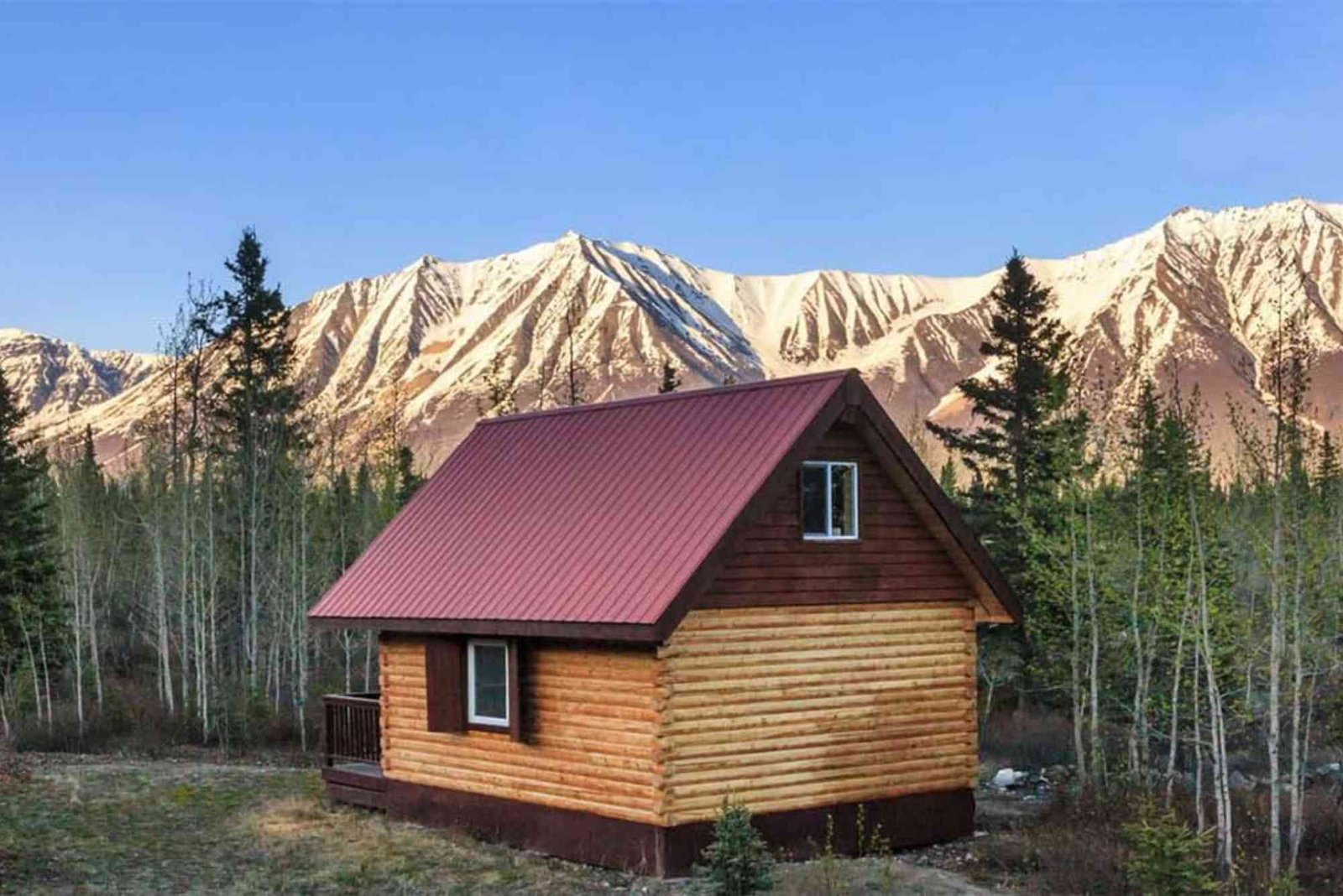
Remote Alaska property for sale comes in several forms, and it helps to know the differences so you can choose what fits your goals. Some parcels include existing off-grid cabins with basic amenities. Others offer raw wilderness land with no structures at all. Cabins may feature wood stoves, solar panels, and simple water systems. Some spots include riverfront land perfect for fishing. Others offer high mountain views or roadless terrain ideal for hunting and trapping. Buyers also find lakefront properties that allow floatplane access. Each type of land has unique benefits, depending on how often you plan to visit and how much you want to build.
Access Challenges and Transportation Options
Living off the grid in Alaska means access can be difficult. Many remote properties have no road access. You may rely on snowmachines, ATVs, floatplanes, or boats, depending on the location. Floatplane access is common for lakefront and riverfront parcels, while mountain cabins may require hiking or helicopter support. These challenges are part of the wilderness lifestyle. Before buying, it’s important to understand how you’ll reach the property in summer, winter, and shoulder seasons. Some locations become inaccessible for weeks during freeze-up or break-up, when ice conditions are unpredictable. Buyers who plan to live year-round must prepare for these seasonal limitations.
What It Means to Live Off the Grid in Alaska
Off-grid living means you produce your own power, manage your own water, and create your own systems for heat and waste. Most remote Alaska cabins rely on solar power, generators, or a mix of both. Heating usually comes from wood stoves, using timber harvested from the land. Water sources include wells, collection systems, nearby lakes, or snowmelt. Many residents use outhouses or composting toilets. This lifestyle requires self-reliance and problem-solving skills. Alaska’s remoteness is rewarding, but it demands preparation, awareness of wildlife, and respect for extreme weather. The beauty of off-grid living is the independence it provides, but it’s essential to know what you’re taking on.
Costs of Buying Remote Alaska Property
Remote Alaska property for sale varies widely in cost. Small wilderness parcels may start around a few thousand dollars. Larger tracts near desirable lakes or river systems cost more. Off-grid cabins with established systems typically range from modest to mid-range prices. Floatplane-only properties sometimes cost less because access is limited. Buyers also need to budget for transportation, tools, heating systems, and maintenance supplies. If you plan to build, remember the cost of flying or boating materials to remote sites. Even with these considerations, remote Alaska land remains more affordable than many places in the United States, especially when compared to other scenic and private locations.


Setting Up Utilities and Power Systems
Energy systems are one of the most important parts of off-grid life. Solar panels are popular because Alaska offers long daylight hours in summer. Batteries store extra power for evening use. Many cabins pair solar energy with propane generators for cloudy days or winter months. Wind turbines can supplement power in windy regions. Heating systems depend heavily on wood, so access to firewood is vital. Water systems range from simple hand pumps to filtration setups that use lake or river sources. Composting toilets reduce the need for plumbing, which makes remote cabins easier to maintain. Buyers should consider what utilities already exist and what upgrades may be needed before moving in full-time.
Wildlife, Safety, and Survival Considerations
Remote Alaska is home to bears, moose, wolves, and other wildlife. Living among them requires awareness and respect. Proper food storage, secure structures, and safe travel habits protect both people and animals. Many off-grid cabin owners keep bear-proof containers or install electric fences. Winter survival skills matter as well. Deep snow, sudden storms, and freezing temperatures can make travel risky. Dress in layers, keep emergency supplies, and always inform someone when traveling between locations. Alaska rewards those who prepare and respect the environment. It’s one of the most beautiful but challenging places to live.
Building a Cabin on Wilderness Land
Many buyers dream of buying remote Alaska land and building a small cabin. This is absolutely possible, but it requires planning. First, check zoning laws and land-use restrictions. Some private parcels allow building without heavy permitting. Others require approvals. Materials may need to be flown in or delivered by boat. Many builders choose simple, sturdy designs that withstand snow loads and wind. A-frame cabins, log cabins, or small timber structures are common. Even a small structure provides warmth and safety in harsh conditions. Take time to design for insulation, ventilation, and energy efficiency.
Best Regions for Remote Alaska Property
Several areas in Alaska are known for remote land and off-grid cabins. The Mat-Su Valley offers a balance of privacy and accessibility, though some properties remain roadless. The Kenai Peninsula includes remote riverfront parcels ideal for fishing. Interior Alaska features vast stretches of wilderness land with stunning backcountry scenery. The Talkeetna Mountains and Alaska Range offer rugged mountain parcels with breathtaking views. For those wanting extreme seclusion, the Yukon-Kuskokwim Delta, the Brooks Range, and remote areas near Lake Clark provide untouched wilderness. Each region has a distinct climate, terrain, and access method, so choose based on your lifestyle goals.
Buying Land from Afar: What to Expect
Many buyers live outside Alaska, so purchasing property remotely is common. Real estate agents familiar with remote parcels can guide you, though some areas require in-person visits to understand the terrain. Satellite maps help, but nothing replaces seeing access routes, water sources, and cabin conditions firsthand. Some sellers offer detailed photos or drone footage. If you cannot visit immediately, consider making a preliminary trip before building or moving in full-time. Alaska’s wilderness looks different in every season, and it’s important to understand what your property will be like during winter and summer.
Start Your Wilderness Journey Today
Remote Alaska property for sale offers a rare chance to live close to nature, build an off-grid cabin, or own your own piece of untouched wilderness land. Whether you want a seasonal getaway or a full-time homestead, Alaska provides opportunities unlike anywhere else in the world. If you’re ready for adventure, independence, and stunning landscapes, now is the perfect time to explore your options and take the next step toward wilderness living. Contact a trusted Alaska real estate professional today and begin your journey into the Last Frontier.
FAQs
Is it legal to live off the grid in Alaska?
Yes, living off the grid is legal. Many rural properties support off-grid lifestyles with few restrictions, but zoning varies by location.
Do remote Alaska properties have road access?
Many do not. Access may require boats, snowmachines, floatplanes, or ATVs depending on the season and terrain.
How much does remote Alaska land cost?
Prices vary widely. Small rural parcels may cost a few thousand dollars, while premium lakefront or cabin properties cost more.
Can I build a cabin on wilderness land?
Usually yes, but always check local regulations. Some private parcels require permits, while others are more flexible.
What should I bring when visiting remote land?
Carry safety gear, maps, GPS, warm clothing, and emergency supplies. Alaska weather and terrain can change quickly.