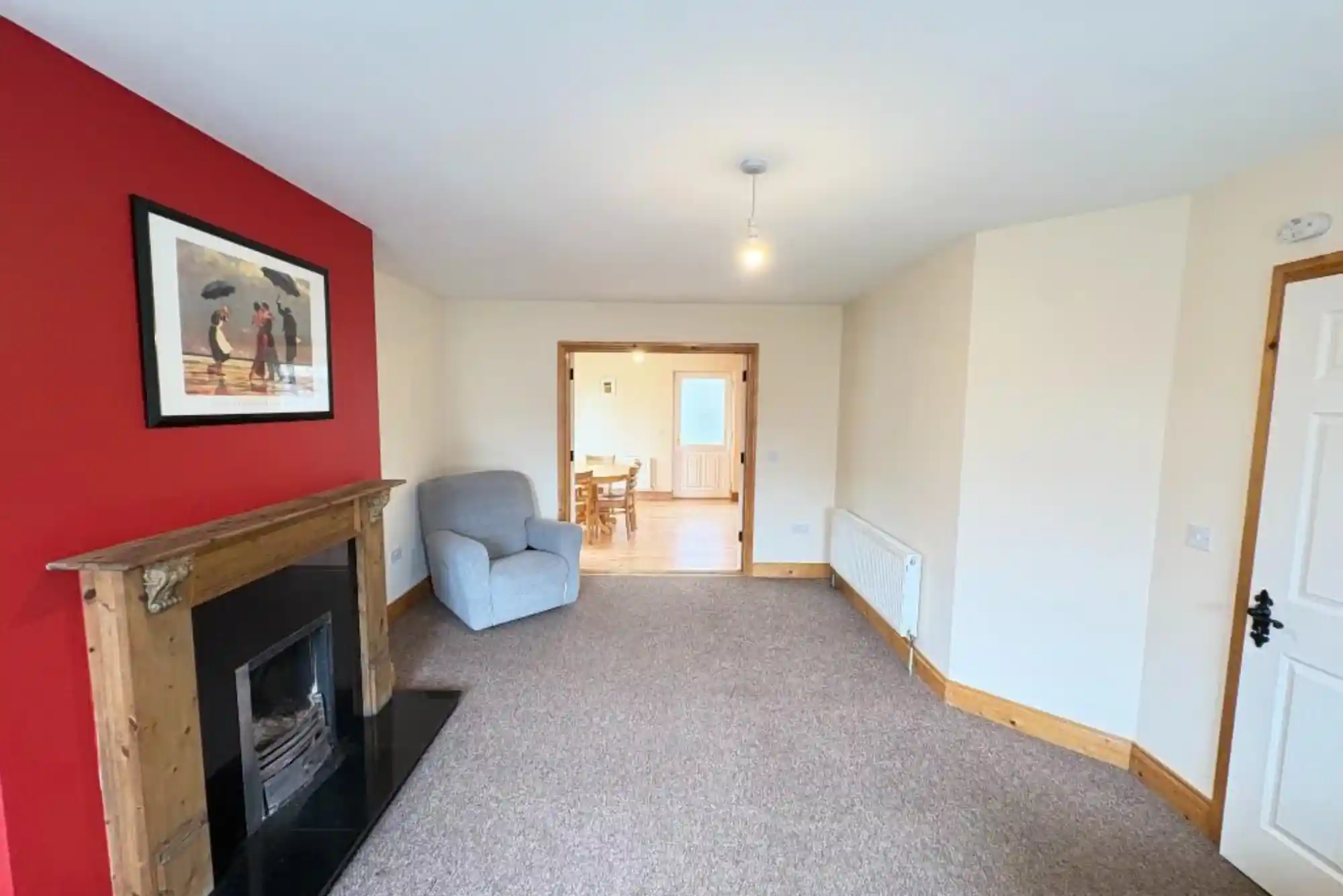
Introduction
Finding a home that suits your lifestyle can be challenging, and understanding different housing options is key. One of the most popular choices for many individuals, especially in urban areas, is an apartment. But what exactly is an apartment, and what makes it different from other types of residences? In this guide, we will break down the definition of an apartment, explore its common types, and highlight the features that make apartments appealing to residents. Whether you are considering renting or buying, this information will give you a clear understanding of what to expect.
What Is an Apartment?
An apartment is a self-contained residential unit located within a larger building or complex. Unlike a standalone house, an apartment shares walls, floors, or ceilings with other units. Apartments are designed to provide individuals or families with private living spaces while maintaining shared facilities and amenities. They are common in cities where space is limited and urban living requires efficient use of land. Apartments offer convenience, accessibility, and affordability compared to single-family homes, making them a preferred choice for many residents.
Living in an apartment comes with both advantages and considerations. You enjoy amenities like security, maintenance, and proximity to workplaces or schools, but you may need to adjust to shared spaces and rules set by property management. Despite these considerations, apartments remain a versatile housing option for people of all ages.
Types of Apartments
Apartments come in various sizes and layouts, each catering to different lifestyles and needs. Understanding these types can help you choose the right one.
Studio Apartments
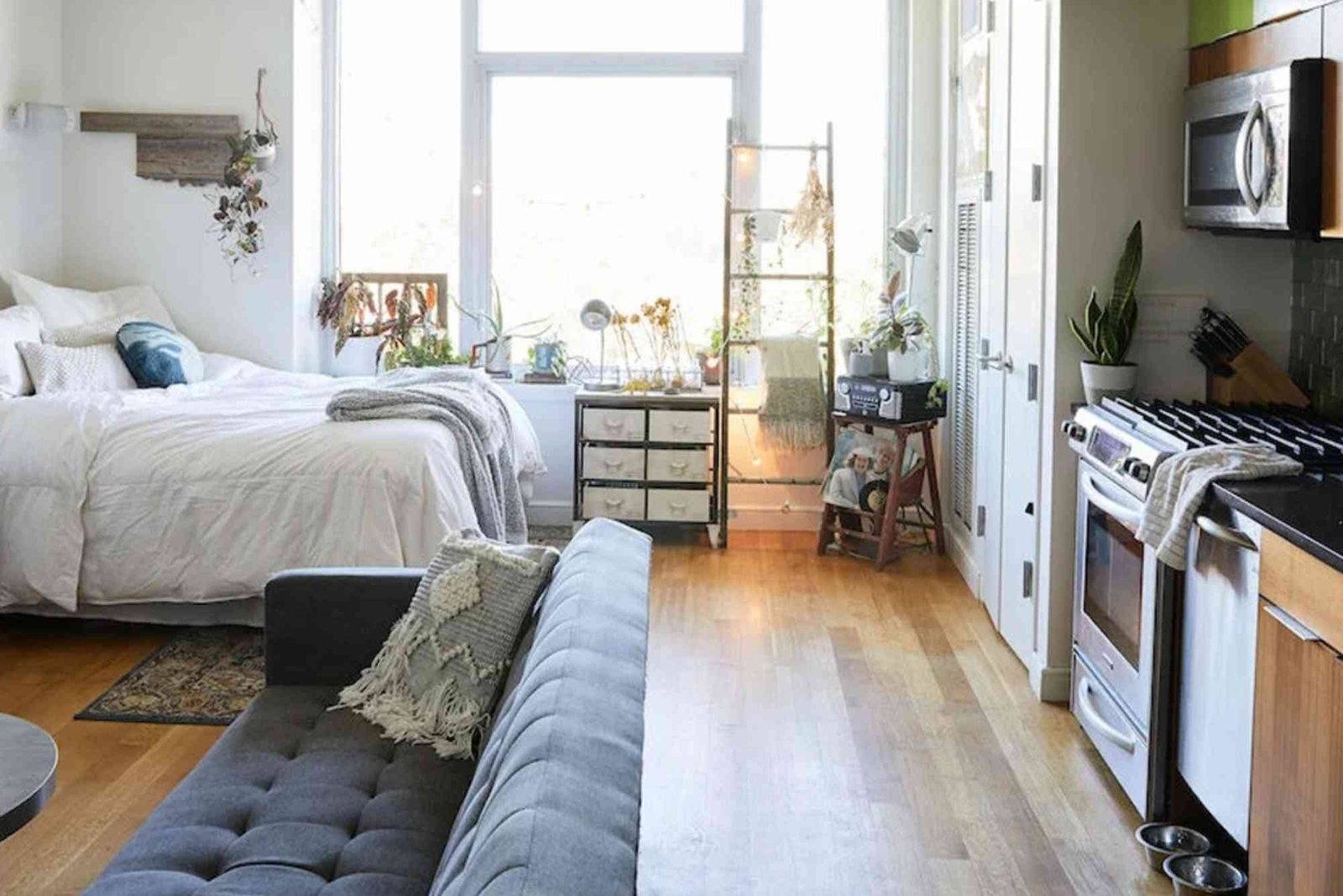
A studio apartment is a compact unit that combines the living area, bedroom, and kitchen into a single space. It is ideal for single occupants or individuals who prioritize location over space. Despite its small size, studio apartments often feel cozy and efficient.
One-Bedroom Apartments
One-bedroom apartments feature a separate bedroom, living area, kitchen, and bathroom. They provide more privacy than studios and are suitable for singles or couples. These apartments balance space, affordability, and functionality.


Two-Bedroom Apartments
These apartments have two separate bedrooms, a living area, kitchen, and at least one bathroom. They are ideal for small families or roommates looking to share a unit. Two-bedroom apartments offer more space while maintaining manageable costs.
Luxury Apartments
Luxury apartments are upscale units with high-end finishes, spacious layouts, and premium amenities. They may include swimming pools, gyms, concierge services, and advanced security systems. These apartments appeal to residents seeking comfort, status, and convenience.
Serviced Apartments
Serviced apartments are fully furnished units that provide hotel-like services, including cleaning, maintenance, and sometimes meals. They are popular among business travelers or individuals seeking temporary housing with all necessary amenities included.
Loft Apartments
Loft apartments often feature open floor plans, high ceilings, and large windows. Originally converted from industrial spaces, lofts offer a unique and spacious living experience. They are often chosen by artists, professionals, or people who appreciate modern, urban design.
Common Features of Apartments
Apartments share several features that make them practical and appealing. Understanding these features helps residents make informed decisions when selecting a unit.
Shared Amenities
Most apartment complexes include shared amenities like laundry facilities, gyms, swimming pools, parking areas, and community rooms. These shared spaces enhance convenience and create a sense of community among residents.
Security and Maintenance
Apartments often offer enhanced security, including gated entrances, surveillance cameras, and on-site security personnel. Maintenance services for plumbing, electrical issues, and general repairs are usually handled by the property management, reducing stress for residents.
Compact and Efficient Layouts
Apartment designs prioritize efficient use of space. Open floor plans, built-in storage, and multi-functional furniture are common features that help residents maximize their living areas.
Proximity to Urban Centers
Apartments are typically located near commercial areas, public transportation, schools, and workplaces. This proximity reduces commuting time and enhances access to social and recreational activities.
Community Living
Living in an apartment often encourages social interaction. Shared spaces like gardens, playgrounds, and lounges provide opportunities for residents to meet and build connections with neighbors.
Flexible Lease Options
Many apartments offer flexible lease terms, from short-term rentals to long-term agreements. This flexibility suits individuals who are relocating, traveling for work, or testing a new city before committing.
Pet-Friendly Options
Increasingly, apartment complexes provide pet-friendly units and amenities such as dog parks or pet washing stations. This makes apartments suitable for residents who own pets but prefer the convenience of urban living.
Energy and Cost Efficiency
Apartments often have lower utility costs due to shared walls that reduce heating and cooling expenses. Modern apartment designs may also include energy-efficient appliances, LED lighting, and smart home features that further reduce costs.
Why People Choose Apartments
The popularity of apartments stems from multiple advantages they offer over other housing types. Apartments are often more affordable than single-family homes, especially in urban areas. Their location, often near city centers, allows residents to access work, education, and entertainment easily. Maintenance and security services provide convenience and peace of mind. Additionally, apartments offer a variety of layouts and styles, catering to singles, couples, families, and professionals.
For many, apartments are a stepping stone to homeownership or a long-term urban living solution. The community aspect, shared amenities, and efficient use of space make apartments appealing for modern lifestyles.
Considerations Before Renting or Buying an Apartment
While apartments offer many benefits, there are factors to consider before making a decision. Noise can be an issue due to shared walls, floors, or ceilings. Privacy may be limited compared to standalone homes. Lease agreements and homeowner association rules may impose restrictions on renovations, pet ownership, or noise levels. Residents should evaluate their lifestyle needs, budget, and long-term plans before choosing an apartment.
It is also important to inspect the apartment for quality, safety, and amenities. Researching the neighborhood and understanding the property management’s reputation ensures a positive living experience.
Apartments are versatile, convenient, and popular housing options that suit a variety of lifestyles. From compact studios to luxury units, they provide functional living spaces with shared amenities and community features. Whether you are a single professional, a couple, or a small family, apartments offer flexibility, affordability, and accessibility.
If you are considering moving into an apartment, take the time to understand the types, features, and potential limitations. Choosing the right apartment can improve your quality of life and provide a comfortable, convenient living environment. Start exploring apartment options today and find a space that truly feels like home.
FAQs
What is the difference between an apartment and a flat?
The terms are often used interchangeably. However, “apartment” is commonly used in the U.S., while “flat” is used in the U.K. Both refer to self-contained units within a building.
Are apartments more affordable than houses?
Generally, apartments are more affordable due to smaller size, shared facilities, and location in urban areas. Utilities may also cost less.
Can I own an apartment?
Yes, you can either rent or purchase an apartment. Ownership may involve additional responsibilities like property taxes and maintenance fees.
Do apartments allow pets?
Many apartments are pet-friendly, but policies vary. Always check the building’s rules before moving in.
What amenities are common in apartments?
Typical amenities include gyms, swimming pools, parking, laundry facilities, security systems, and community areas.
How do I choose the right apartment?
Consider your budget, desired location, size, amenities, lease terms, and lifestyle needs. Visiting units and reviewing management policies helps make an informed choice.
Why are apartments popular in cities?
Apartments optimize urban space, provide convenient access to work and services, and often offer shared amenities, making city living practical and efficient.