How to Check for Mold in an Apartment: Signs, Testing, and Next Steps
Mold in an apartment is more common than many renters think, and it can quickly become a serious issue if ignored. Understanding how to check for mold in an apartment: signs, testing, and next steps is essential for protecting both your health and your living space. Whether you notice a musty smell or visible spots on walls, early detection can prevent costly damage and health problems.
Understanding Mold and Why It Matters
Mold is a type of fungus that thrives in damp and poorly ventilated environments. It spreads through tiny spores that float in the air and settle on surfaces. When moisture is present, these spores grow into visible mold patches. Apartments are especially vulnerable due to shared walls, plumbing systems, and limited airflow.
Exposure to mold can lead to respiratory issues, allergies, and skin irritation. For some people, especially those with asthma, the effects can be severe. That is why learning how to check for mold in an apartment: signs, testing, and next steps is not just about cleanliness but also about health and safety.
Common Signs of Mold in an Apartment
Recognizing the early signs of mold is the first step toward solving the problem. Mold does not always appear in obvious ways, so you need to pay attention to subtle changes in your environment.
Visible Mold Growth
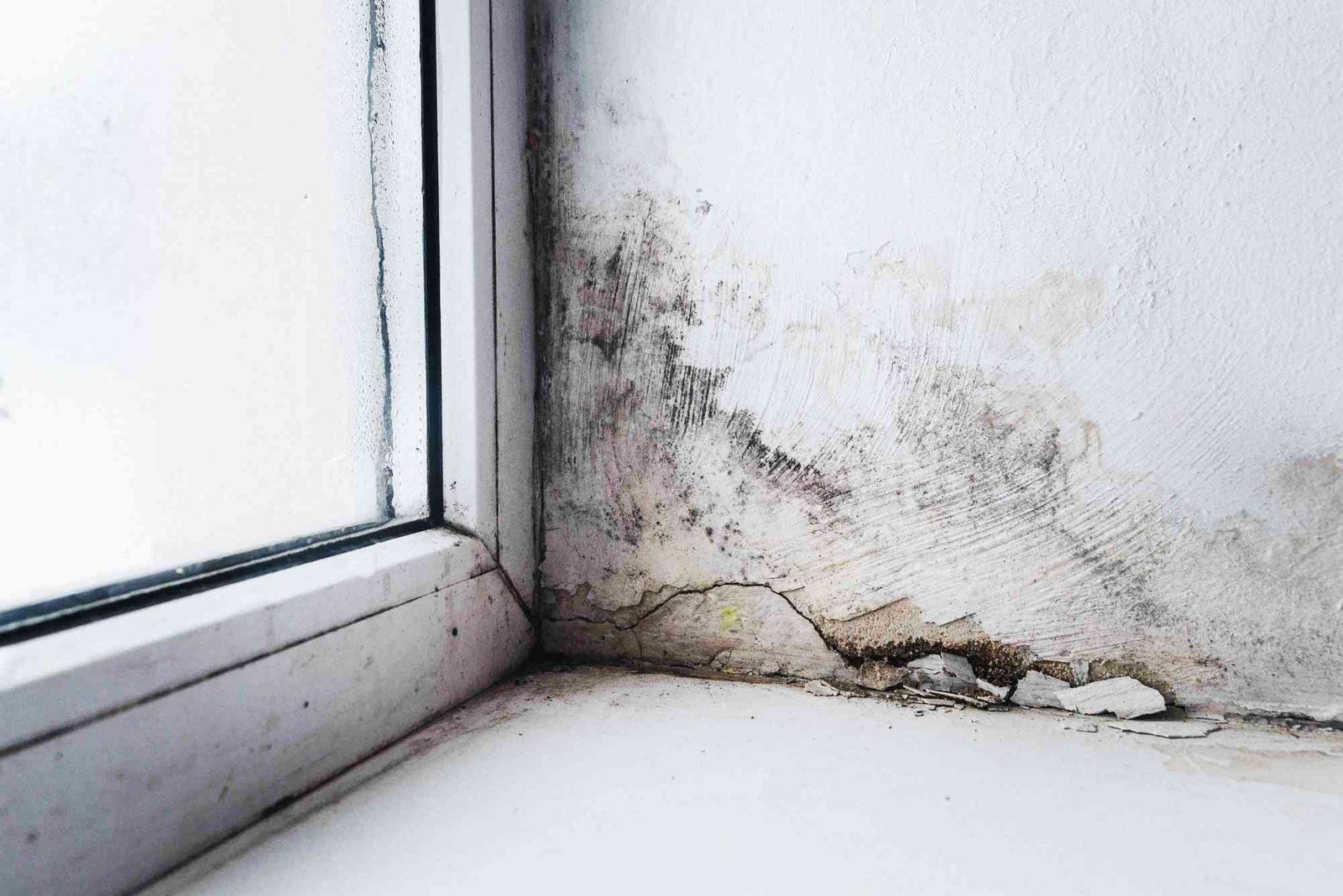
One of the clearest indicators is visible mold on walls, ceilings, or floors. It often appears as black, green, or white spots. Sometimes it looks fuzzy or slimy, depending on the type. Bathrooms, kitchens, and window edges are common places where mold develops due to moisture.
Musty Odor
A persistent musty smell is another strong sign. Even if you cannot see mold, the odor may indicate hidden growth behind walls or under carpets. This smell often becomes stronger in humid conditions.


Water Damage or Stains
Water stains, peeling paint, or bubbling wallpaper suggest moisture problems. These areas create ideal conditions for mold growth. If you notice such damage, it is important to investigate further.
Health Symptoms
Frequent sneezing, coughing, or eye irritation at home may be linked to mold exposure. If symptoms improve when you leave the apartment, mold could be the cause. This is an important clue when learning how to check for mold in an apartment: signs, testing, and next steps.
Where to Look for Mold in Your Apartment
Mold tends to grow in areas where moisture collects. Knowing where to check can save time and help you find hidden problems.
Bathrooms and Kitchens
These spaces have high humidity levels. Check under sinks, around faucets, and behind appliances. Pay close attention to grout lines and corners where water can accumulate.
Windows and Walls
Condensation on windows can lead to mold growth on frames and nearby walls. Inspect corners and areas with poor ventilation.
Air Conditioning and HVAC Systems
Filters, ducts, and vents can harbor mold if not cleaned regularly. Mold spores can spread through the air, affecting the entire apartment.
Closets and Carpets
Dark and enclosed spaces like closets are ideal for mold growth. Carpets, especially in damp areas, can trap moisture and support mold development.
How to Test for Mold in an Apartment
Once you suspect mold, testing can confirm its presence. There are several methods available, depending on your situation and budget.
DIY Mold Test Kits
Home testing kits are widely available and easy to use. These kits typically involve collecting a sample from a surface or the air and sending it to a lab. Results usually arrive within a few days. While convenient, they may not always provide detailed information about mold types.
Professional Mold Inspection
Hiring a professional inspector is the most accurate way to assess mold. Experts use advanced tools like moisture meters and air sampling devices. They can identify hidden mold and determine the severity of the problem. This is often the best option when dealing with large or recurring issues.
Moisture Detection Tools
Moisture meters and thermal cameras can help locate damp areas where mold may grow. Even if mold is not visible, these tools can reveal problem spots that need attention.
Understanding how to check for mold in an apartment: signs, testing, and next steps includes choosing the right testing method based on your needs.
What to Do If You Find Mold
Discovering mold can feel overwhelming, but taking the right steps can resolve the issue effectively.
Clean Small Areas Safely
For minor mold growth, you can clean it using household solutions like vinegar or baking soda. Wear gloves and a mask to avoid exposure. Make sure the area is well ventilated during cleaning.
Fix the Source of Moisture
Cleaning mold without addressing moisture will only lead to recurrence. Repair leaks, improve ventilation, and use dehumidifiers if necessary. Controlling humidity is key to preventing mold growth.
Report to Your Landlord
If you are renting, inform your landlord immediately. In many cases, landlords are responsible for fixing structural issues that cause mold. Document the problem with photos and written communication.
Consider Professional Remediation
For extensive mold problems, professional removal is the safest option. Experts can ensure thorough cleaning and prevent the spread of spores. This step is crucial when mold affects large areas or poses health risks.
Preventing Mold in the Future
Prevention is always better than cure. By taking proactive steps, you can reduce the risk of mold returning.
Maintain Proper Ventilation
Open windows regularly and use exhaust fans in bathrooms and kitchens. Good airflow helps reduce moisture levels.
Control Humidity Levels
Keep indoor humidity below 60 percent. Using a dehumidifier can help, especially in humid climates.
Regular Cleaning and Maintenance
Clean surfaces regularly and check for leaks or water damage. Early detection can prevent small issues from becoming major problems.
Use Mold-Resistant Products
When possible, choose mold-resistant paint and materials. These products are designed to inhibit mold growth and provide long-term protection.
Why Acting Quickly Matters
Ignoring mold can lead to serious consequences. It can damage furniture, weaken building structures, and affect indoor air quality. More importantly, it can harm your health over time. Learning how to check for mold in an apartment: signs, testing, and next steps empowers you to act quickly and effectively.
Explore reliable financial and business insights with Finders UAE, your trusted platform for loans, banking guides, and investment tips. Visit our homepage to discover updated resources, expert advice, and helpful tools designed to support your financial decisions and growth in the UAE market. Finders UAE . Stay connected for latest updates and insights. Explore more now tdy.
Conclusion
Knowing how to check for mold in an apartment: signs, testing, and next steps is essential for maintaining a safe and healthy living environment. By recognizing early warning signs, conducting proper testing, and taking immediate action, you can prevent mold from becoming a major issue. Whether you handle small problems yourself or seek professional help, the key is to act without delay.
Living in an apartment does not mean you cannot own or charge a Tesla conveniently. There are practical options such as public charging stations, workplace chargers, and shared residential parking outlets. These solutions make EV ownership easier for urban residents and daily commuters. For a complete guide, read How to Charge a Tesla in an Apartment: Options Without a Private Garage. Anchor text for internal linking: Tesla apartment charging guide.
FAQs
How do I know if mold is behind walls?
A musty smell, peeling paint, or unexplained health symptoms may indicate hidden mold behind walls.
Can I test for mold myself?
Yes, DIY mold test kits are available and easy to use, but professional testing provides more accurate results.
Is mold in an apartment dangerous?
Mold can cause allergies, respiratory issues, and other health problems, especially with long-term exposure.
What should I do if my landlord ignores mold complaints?
Document the issue, send written notices, and check local tenant laws for further action.
How quickly does mold grow in an apartment?
Mold can start growing within 24 to 48 hours in damp conditions, making early detection essential.