Can a German Shepherd Live in an Apartment? Exercise and Training Needs
German Shepherds are intelligent, loyal, and energetic dogs, making them one of the most popular breeds worldwide. Many people wonder if these dogs can thrive in an apartment setting. The short answer is yes, but it requires careful planning, consistent training, and a commitment to meeting their physical and mental needs. Understanding the breed’s personality, exercise requirements, and training strategies is essential for apartment living.
Understanding the German Shepherd Personality
German Shepherds are known for their intelligence, alertness, and protective instincts. They bond closely with their families and enjoy being involved in daily activities. This breed thrives when given a clear routine and plenty of mental stimulation. Living in an apartment can be challenging for a German Shepherd because they are used to having space to roam. Without proper exercise and attention, they can become bored, anxious, or destructive. Recognizing these traits helps owners plan accordingly.
Exercise Requirements for Apartment Living
Exercise is a critical factor when considering a German Shepherd in an apartment. This breed has high energy levels and needs both physical and mental activity daily. Lack of exercise can lead to behavioral problems, excessive barking, or even health issues. Walking alone is not sufficient; they need activities that engage their mind and body. Regular walks, jogs, and interactive play can compensate for limited living space. Structured exercise routines reduce stress and prevent restlessness, ensuring your dog remains happy and healthy in a confined environment.
Daily Exercise Routines for German Shepherds
Establishing a consistent daily exercise schedule is crucial. Morning walks help burn off energy and prepare your dog for a calm day. Incorporating training sessions or puzzle toys during the day stimulates their mind. Evening walks provide an additional outlet for energy while reinforcing the bond between owner and dog. Playing fetch or tug-of-war in safe areas can supplement outdoor walks. Remember, German Shepherds excel at activities that challenge their intelligence, like scent work or obedience drills.
Training Needs in an Apartment Setting
Training is essential for German Shepherds, especially in apartments. This breed responds well to consistent, positive reinforcement methods. Apartment living requires good leash manners, socialization, and obedience. Teaching commands like “sit,” “stay,” and “leave it” ensures they remain manageable in tight spaces. Socializing your dog with other pets and neighbors reduces anxiety and prevents aggressive behavior. Crate training can provide a safe retreat and help manage behavior when left alone.
Mental Stimulation is as Important as Physical Exercise
Mental stimulation is equally important for apartment-living German Shepherds. These dogs are problem-solvers who enjoy challenges. Interactive toys, training sessions, and games like hide-and-seek keep their minds active. Mental exercise reduces boredom-related behaviors like chewing, barking, or pacing. Puzzle feeders and obedience drills can mimic the mental challenges they would face in a larger environment. Consistently providing mental engagement ensures they remain balanced and content in smaller living spaces.
Creating a Dog-Friendly Apartment Environment
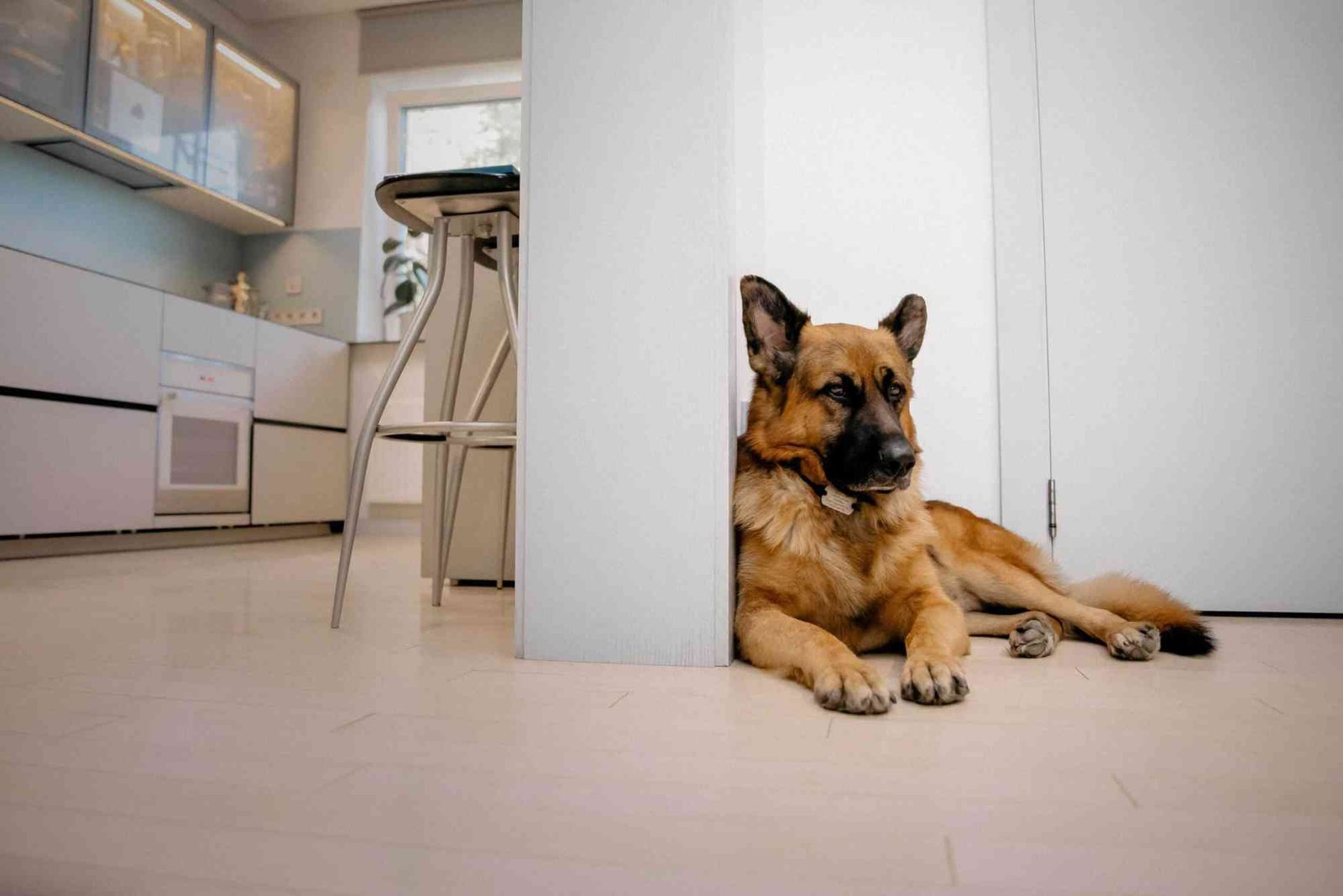
Adapting your apartment for a German Shepherd involves creating a safe and comfortable space. Designate an area for their bed, toys, and feeding station. Use baby gates or playpens if necessary to limit access to unsafe areas. Noise control is important because this breed may react to sounds outside the apartment. Ensure they have access to water and a cozy resting spot. Maintaining a clutter-free environment minimizes stress and helps the dog feel secure. Even in small spaces, careful planning can make apartment living enjoyable for both owner and dog.
Socialization Strategies for Urban Living
Apartment life often means close contact with neighbors, other dogs, and city sounds. Socialization helps German Shepherds remain calm and friendly. Introduce them to new experiences gradually and positively. Reward calm behavior during elevator rides, hallway walks, and encounters with other pets. Puppy classes or obedience training groups are ideal for building confidence and reinforcing proper social behavior. A well-socialized German Shepherd is less likely to develop fear-based aggression in urban settings.
Addressing Behavioral Challenges
Even with proper care, living in an apartment can present challenges. Barking, chewing, and anxiety may arise if the dog is not sufficiently exercised or mentally stimulated. Address these issues early with positive reinforcement, redirection, and training. Providing safe chew toys or puzzle feeders can prevent destructive behavior. Regular interaction, training, and playtime reduce stress and help the dog adapt to apartment living. Patience and consistency are key to overcoming common challenges.
Nutrition and Health Considerations
A healthy diet supports energy levels, behavior, and overall well-being. German Shepherds require high-quality protein and balanced nutrients. Feeding routines can complement exercise schedules, helping maintain energy without overstimulation. Regular veterinary check-ups are essential for early detection of joint or digestive issues, which are common in the breed. Maintaining a healthy weight through proper nutrition and exercise prevents health problems and ensures longevity in an apartment environment.
Tips for Successful Apartment Living with a German Shepherd
Routine, structure, and attention are the foundation of successful apartment life with a German Shepherd. Consistent exercise, daily training, mental stimulation, and socialization ensure a happy, well-adjusted dog. Owners should plan multiple daily outings, provide enrichment activities, and monitor behavior closely. Using professional training resources or local dog clubs can enhance the experience. Understanding the breed’s needs and providing a stimulating environment leads to a rewarding relationship in apartment settings.
German Shepherds can live happily in an apartment if their exercise, training, and mental stimulation needs are met. While it requires effort and dedication, the bond and loyalty you gain from this intelligent breed make it worthwhile. By understanding their personality, establishing routines, and providing consistent care, apartment living can be a positive experience for both dog and owner. Take the time to invest in your German Shepherd’s well-being and enjoy the companionship of a loyal, happy dog in your urban home.
Ready to give your German Shepherd the best apartment life possible? Start by planning daily exercise, structured training, and mental enrichment today to see immediate improvements in behavior and happiness.
Choosing the right floor for your apartment can significantly affect your lifestyle, comfort, and property value. Factors like noise, sunlight, and accessibility play a key role in your decision. To understand which level suits you best, check out this helpful guide on which floor is best for an apartment for detailed insights.
Looking for reliable services and the latest updates in your area? Explore a wide range of resources and solutions conveniently at your fingertips. Visit the Finders to discover more about our offerings, stay informed, and make the most of everything we provide to simplify your search experience.
FAQs
Can a German Shepherd stay alone in an apartment?
They can, but only for short periods. Long hours alone can cause anxiety and destructive behavior.
How much exercise does a German Shepherd need daily?
At least 1–2 hours of combined physical and mental activity is recommended.
Is crate training necessary for apartment living?
Yes, it provides a safe space and helps manage behavior when left alone.
Can a German Shepherd adapt to small spaces?
Yes, with proper exercise, mental stimulation, and consistent training, they adapt well.
Do German Shepherds bark a lot in apartments?
Without exercise or mental engagement, they may bark excessively. Training and stimulation reduce this behavior.