
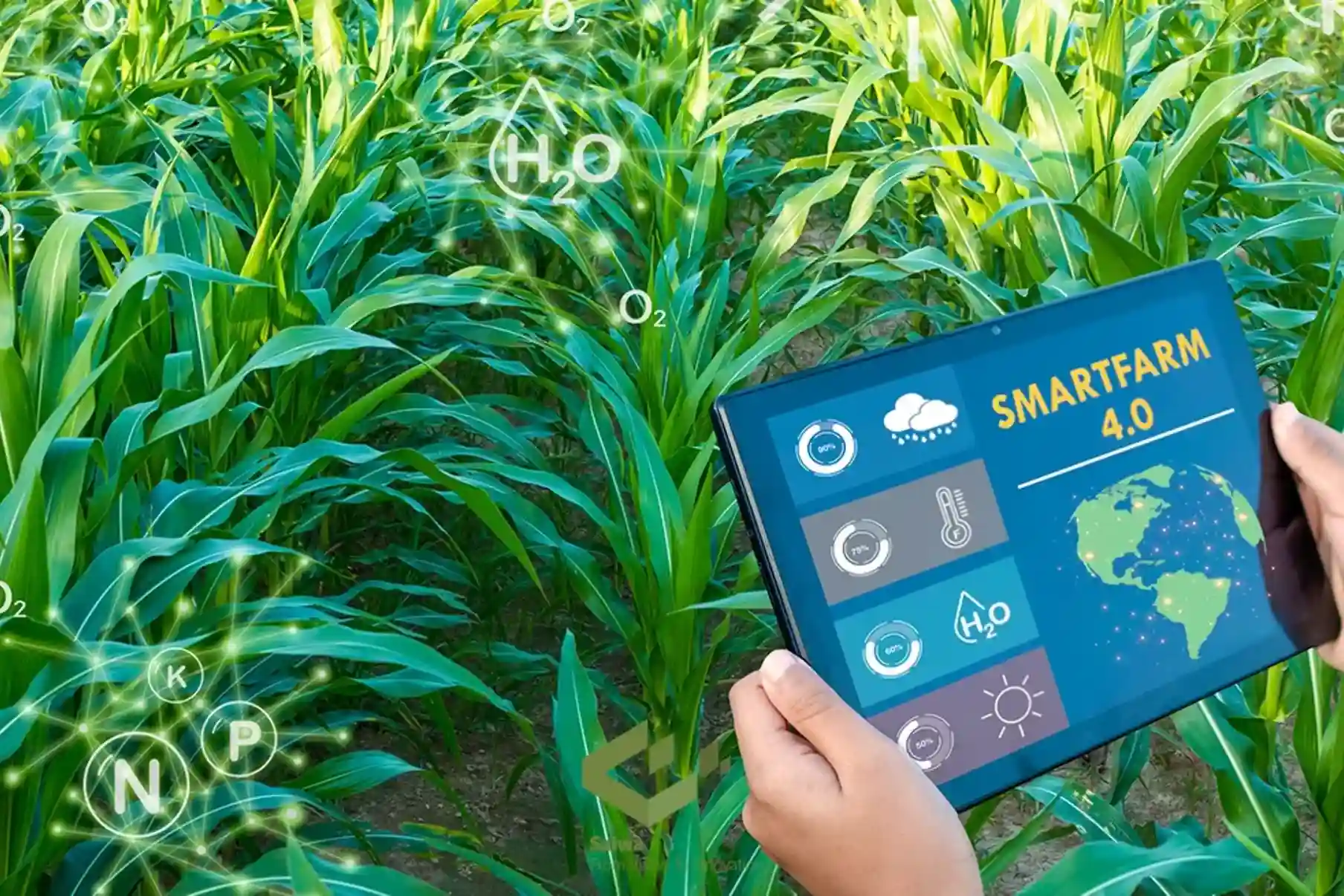
Agriculture is becoming increasingly data-driven, and accurate yield forecasting is the backbone of modern farming success. From planning harvest cycles to securing supply chains, reliable yield predictions empower both farmers and agribusinesses.
This guide explores the key steps in yield forecasting—backed by technology, expert insight, and regional innovations shaping the agricultural future in Pakistan and beyond.
Understanding Yield Forecasting in Modern Agriculture
Quick Answer: Yield forecasting uses data science, climate analysis, and predictive modeling to estimate crop output before harvest.
Forecasting yield is not just a farmer’s intuition anymore—it’s a blend of satellite imagery, soil health monitoring, and data analytics. In countries like Pakistan, India, and Australia, agri-tech companies are using AI-driven models to enhance accuracy by up to 30%.
According to the Food and Agriculture Organization (FAO), precision forecasting minimizes losses and stabilizes markets by aligning supply with demand.
Key Factors Affecting Crop Yield Accuracy
Quick Answer: Climate, soil quality, pest control, and data collection methods directly impact forecasting reliability.
Accurate forecasting depends on:
Weather consistency: Seasonal rainfall and temperature variations.
Soil fertility: pH and nutrient composition monitoring.
Seed variety: Resistant hybrids enhance predictability.
Farming practices: Use of sensors and IoT devices.
In Punjab and Sindh, regional research centers under Pakistan Agricultural Research Council (PARC) collaborate with local farmers to collect high-quality yield data.
Role of Data Analytics and Machine Learning
Quick Answer: Machine learning models refine yield predictions through big data analysis.
AI-driven analytics platforms analyze satellite imagery, rainfall patterns, and soil parameters to make forecasting more reliable. Models like Random Forests and Neural Networks are being adopted by agri-startups for better yield visualization.
Governments are also promoting youth-led tech initiatives to develop smart agriculture tools, helping local entrepreneurs bring innovation to rural areas.
Using a Crop Yield Estimation Calculator for Precision
Quick Answer: Smart online tools simplify forecasting and reduce human error.
Modern farmers are turning to tools like the crop yield estimation calculator to streamline decision-making. This calculator integrates real-time data, crop coefficients, and growth stages for precise results.
Benefits include:
Quick analysis for different crops.
Compatibility with local weather data.
Free access for educational use and farmer training.
Such accessible solutions empower farmers and researchers to forecast accurately without costly software.
Integrating Free Online Calculators for Everyday Use
Quick Answer: Free digital tools make agriculture analytics more inclusive.
Using platforms offering free online calculators for everyday use allows agribusinesses and students to experiment with models across different scenarios—be it finance, irrigation, or yield prediction.
Examples include:
Rainfall-to-irrigation converters.
Fertilizer application calculators.
Budget estimators for small farms.
This democratization of tools boosts rural tech literacy and bridges the gap between research labs and on-field application.
Government and Institutional Support in Yield Forecasting
Quick Answer: Public-private partnerships drive tech integration in agriculture.
Pakistan’s National Agri-Digitalization Initiative (NADI) and Prime Minister’s Youth Program are encouraging data-driven agriculture projects. Youth trained in agri-software development are building local solutions for smallholders.
Similarly, in India’s Digital Agriculture Mission, predictive analytics and IoT are used to estimate yield for national food security planning.
These efforts reflect a global shift toward sustainable and transparent food systems.
Regional Innovations and Case Studies
Quick Answer: Real-world examples prove how tech transforms agriculture outcomes.
Faisalabad, Pakistan: Students from the University of Agriculture Faisalabad (UAF) developed a soil-sensor system that predicts wheat yield with 92% accuracy.
California, USA: Agri-tech firms use drones to monitor crop health and predict corn yield before mid-season.
Kenya: Local cooperatives utilize mobile-based calculators for yield management in maize farming.
Such innovations highlight the potential of combining local insight with global technology.
IT Industry’s Contribution to Agricultural Growth
Quick Answer: The IT sector accelerates innovation in precision farming.
The fastest growing IT company in Pakistan is setting benchmarks by nurturing startups specializing in agriculture analytics, IoT sensors, and cloud-based farm management systems.
This collaboration between IT and agriculture is crucial for sustainability. With Pakistan’s digital economy expanding rapidly, agri-tech startups are expected to contribute billions in GDP by 2030.
Benefits of Reliable Yield Forecasting
Quick Answer: Consistent forecasting ensures better planning and profit margins.
Reliable forecasting leads to:
Efficient resource allocation (water, fertilizers).
Reduced waste and crop loss.
Improved export and pricing strategies.
Enhanced investor confidence in agri-business.
When yield prediction becomes dependable, entire communities benefit—from farmers to policymakers.
Challenges and the Path Forward
Quick Answer: Data gaps and limited training hinder full adoption of forecasting tech.
Despite progress, some rural areas lack access to sensors, stable internet, or digital literacy programs. Bridging this gap requires:
Training programs for youth and women farmers.
Open-source data platforms for regional yield monitoring.
Stronger partnerships between government and tech hubs.
Investing in agri-education and digital infrastructure will ensure more accurate forecasting nationwide.
Frequently Asked Questions
Q1: What is yield forecasting in agriculture?
A: It’s the process of predicting crop production before harvest using data from weather, soil, and remote sensing.
Q2: Why is accurate yield forecasting important?
A: It helps optimize supply chains, reduce waste, and increase profit predictability for farmers and exporters.
Q3: Can small farmers use digital yield calculators?
A: Yes, platforms like Needscalculator.com provide easy-to-use free tools for all users.
Q4: How does machine learning improve forecasting?
A: Algorithms learn from past trends and environmental variables to predict outcomes more accurately than manual methods.
Q5: Are there any government programs supporting agri-tech?
A: Yes, initiatives like NADI in Pakistan and DAM in India fund projects that merge technology with agriculture.
Q6: What crops benefit most from predictive analytics?
A: Major crops like wheat, maize, and rice have shown the highest accuracy improvements through AI-based models.
Q7: How can youth get involved in agri-tech forecasting?
A: Many universities and IT parks offer coding and data science training for agricultural innovation.
Final Thought
As someone who has observed the Rise of agri-tech hubs in Pakistan, I’ve seen firsthand how technology transforms traditional farming. Reliable yield forecasting isn’t just about numbers—it’s about empowerment. When farmers in Punjab can predict yield with a mobile calculator or a student in Karachi develops a smart forecasting app, we’re witnessing digital transformation in its purest form.
With strong collaborations between the agricultural sector and the fastest growing IT company in Pakistan, the nation is positioned to lead in data-driven farming for the next decade.