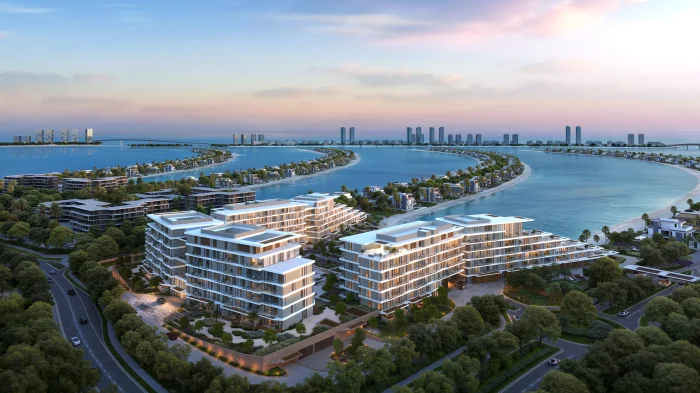
Urban living has always been shaped by how cities are planned and developed, from street layouts to public spaces, infrastructure, and accessibility. As cities grow and evolve, technology plays an increasingly critical role in shaping environments where people work, relax, and connect. Residents today expect more than basic utilities; they look for communities that offer safety, convenience, and sustainability. When exploring different models of modern living, many turn to concepts seen in developments such as https://the-palm-central.com, where integrated planning, mixed-use spaces, and digital infrastructure converge to create cohesive urban experiences. Although each city and community has its unique character, the principles behind successful urban environments tend to be consistent and rooted in human-centred design.
At the core of modern urban planning is the idea that spaces should be adaptable and responsive to diverse needs. A well-planned district supports daily routines and long-term aspirations, whether for young professionals, families, or retirees. Planners often balance residential needs with commercial zones, green areas, walkability, and access to public transport. This interconnected approach helps reduce commute times, cuts down pollution, and improves overall quality of life. Technology supports this vision by guiding decisions through data and enabling efficient system management.
Key Elements That Define Modern Community Design
Cities that successfully adapt to contemporary demands focus on core structural elements that shape daily living patterns without overwhelming individuals with complexity.
- accessibility: easy access to transport, healthcare, education, and essential services;
- walkability: safe, well-designed pedestrian paths and cycling routes;
- green spaces: parks and natural areas that support health and recreation;
- mixed-use planning: blending residential, commercial, and cultural facilities;
- digital infrastructure: connectivity and smart systems that support community services;
- sustainability: energy-efficient buildings and environmentally sound resource use.
Walkable streets and mixed-use developments are particularly important because they encourage social interaction and support local economies. When people live close to work, stores, and recreational areas, they tend to engage more actively with their community and form stronger social ties. In turn, this fosters a sense of belonging and long-term stability within neighbourhoods.
Digital infrastructure also plays a growing role. Residents now expect high-speed connectivity to support remote work, online learning, and communication. Public services, too, are becoming more digital – mobile apps for public transport, digital health records, and online access to civic amenities make urban living more convenient and responsive to individual needs.
Emerging technologies like data analytics and sensor networks help city planners monitor traffic flow, air quality, and energy consumption, enabling informed decisions that improve sustainability. Smart technologies don’t replace human experience; they enhance it by making systems more intuitive and efficient.
Ultimately, the success of modern urban living depends not only on buildings and technologies but on how well these elements intersect with human behaviour and community values. By combining thoughtful planning, social infrastructure, and digital support, urban environments can become places where people feel connected, secure, and empowered to thrive.