Introduction
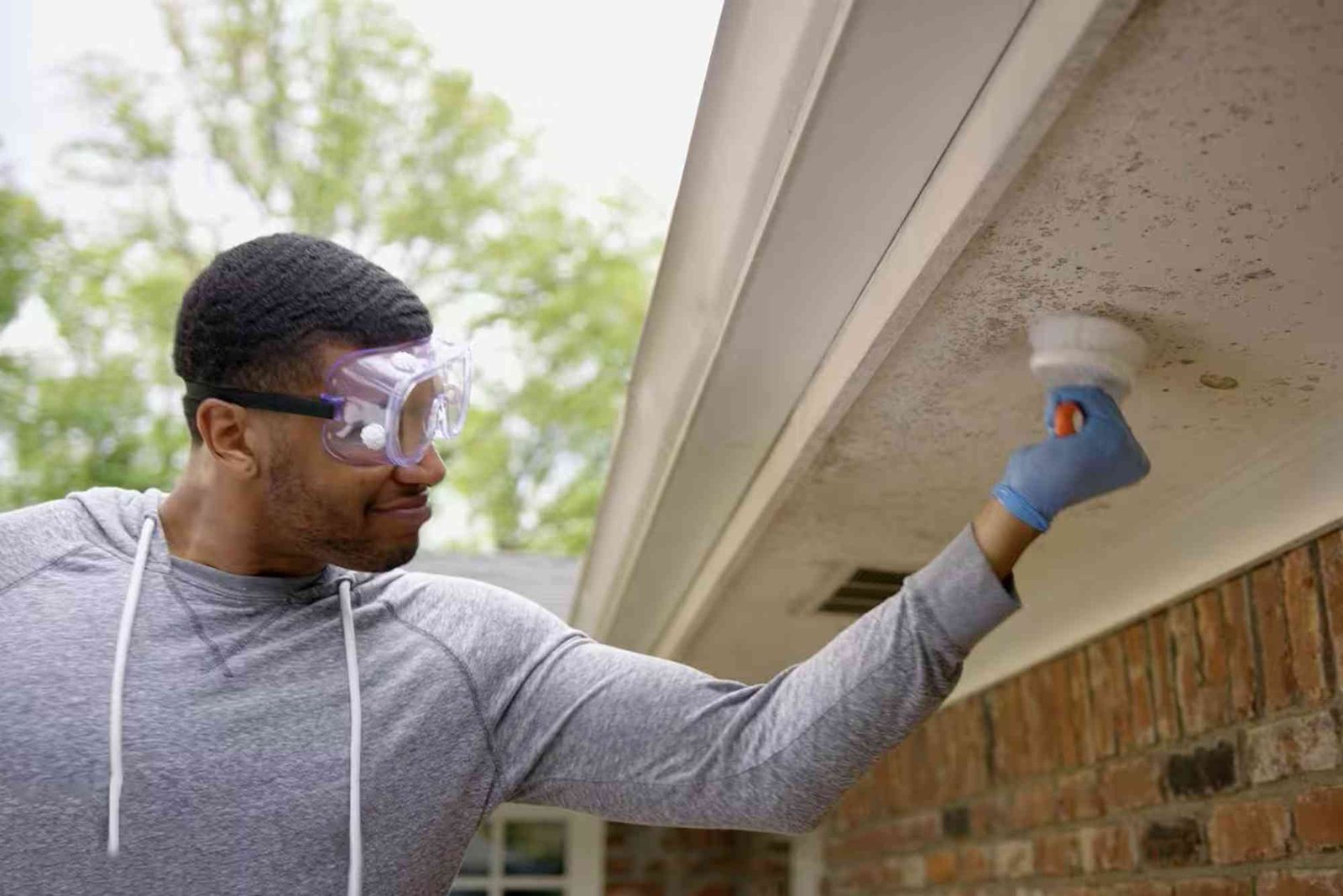
How to Get Rid of Mold in an Apartment: Tenant and Landlord Steps is an important guide for anyone living in rented housing. Mold is not just an unsightly issue. It is a health and safety concern that can affect breathing, allergies, and overall indoor comfort. In many apartments, mold develops quietly behind walls, under sinks, or in bathrooms where moisture is common.
Understanding How to Get Rid of Mold in an Apartment: Tenant and Landlord Steps helps both tenants and landlords respond quickly and correctly. When handled early, mold can be controlled easily. But if ignored, it can spread and cause serious damage to property and health.
Understanding How to Get Rid of Mold in an Apartment: Tenant and Landlord Steps
How to Get Rid of Mold in an Apartment: Tenant and Landlord Steps begins with understanding what mold is and why it appears. Mold is a type of fungus that grows in damp and humid environments. It spreads through tiny spores that float in the air and settle on wet surfaces.
Apartments are especially vulnerable because ventilation is often limited. Bathrooms, kitchens, and laundry areas are common hotspots. Once mold starts growing, it can spread quickly if moisture is not controlled. The key to solving the issue is identifying both the mold and its moisture source. Without removing moisture, mold will always return.
Causes Behind Mold Growth in Apartments
To properly apply How to Get Rid of Mold in an Apartment: Tenant and Landlord Steps, it is important to understand the causes. The most common reason is excess moisture. This can come from leaking pipes, damaged roofs, or condensation on windows.
Poor airflow is another major factor. When air does not circulate properly, humidity builds up indoors. This creates a perfect environment for mold to grow and spread. Sometimes, previous water damage that was not properly dried can also trigger mold later. Even small unnoticed leaks can lead to large infestations over time.


Tenant Responsibilities in How to Get Rid of Mold in an Apartment: Tenant and Landlord Steps
Tenants play a major role in early detection and prevention. In How to Get Rid of Mold in an Apartment: Tenant and Landlord Steps, tenants are usually the first to notice signs such as dark spots, damp smells, or peeling paint.
Tenants are responsible for keeping the apartment reasonably clean and dry. Simple habits like wiping wet surfaces, using exhaust fans, and opening windows can reduce moisture buildup significantly. It is also important for tenants to avoid ignoring small signs. Early reporting can prevent major repairs and health risks later.
Reporting and Communication in How to Get Rid of Mold in an Apartment: Tenant and Landlord Steps
Clear communication is essential in How to Get Rid of Mold in an Apartment: Tenant and Landlord Steps. Once mold is discovered, tenants should inform the landlord immediately.
Written communication is always better than verbal complaints. Emails or written notices create a record of the issue. This helps both sides stay accountable and track response time. Tenants should also take photos and note when the problem started. This documentation can be useful if the issue escalates.
Landlord Responsibilities in How to Get Rid of Mold in an Apartment: Tenant and Landlord Steps
Landlords have a legal duty in How to Get Rid of Mold in an Apartment: Tenant and Landlord Steps to maintain safe and habitable housing. Once notified, they must inspect the property promptly.
If mold is caused by structural issues like leaks, broken pipes, or poor construction, the landlord must fix the root cause. Simply cleaning the surface is not enough. In many cases, landlords also need to hire professional mold removal services. This ensures the problem is fully eliminated and does not return.
Professional Mold Removal Process in How to Get Rid of Mold in an Apartment: Tenant and Landlord Steps
In serious cases of How to Get Rid of Mold in an Apartment: Tenant and Landlord Steps, professional help is required. Experts first inspect the area and identify the source of moisture.
Next, they isolate the contaminated space to stop spores from spreading. Damaged materials may be removed if necessary. Specialized cleaning solutions are then used to treat affected surfaces. Air filtration systems are often used to remove airborne spores. Finally, the area is dried thoroughly to prevent future growth. This step-by-step process ensures long-term results.
Prevention Tips in How to Get Rid of Mold in an Apartment: Tenant and Landlord Steps
Prevention is a key part of How to Get Rid of Mold in an Apartment: Tenant and Landlord Steps. Tenants and landlords both share responsibility in keeping the environment dry and well-ventilated.
Tenants should maintain airflow by opening windows when possible and avoiding moisture buildup in closed spaces. Bathrooms should be dried after use, and leaks should never be ignored. andlords should ensure proper building maintenance. This includes fixing leaks quickly, improving ventilation systems, and using moisture-resistant materials where possible.
Health Risks of Ignoring Mold in Apartments
Ignoring How to Get Rid of Mold in an Apartment: Tenant and Landlord Steps can lead to serious health issues. Mold exposure can cause coughing, sneezing, skin irritation, and eye discomfort.
For people with asthma or allergies, symptoms can become more severe. Long-term exposure may also affect respiratory health and weaken the immune system. This is why early action is not just about property protection but also about personal health and safety.
Legal Aspects of How to Get Rid of Mold in an Apartment: Tenant and Landlord Steps
Discover trusted services and reliable solutions across the UAE with Finders UAE, your go-to platform for connecting with top-rated professionals and businesses. Explore a wide range of categories, compare options, and choose the best service providers easily. Visit the homepage of Finders UAE to start exploring today and find what you need in just a few clicks. It is fast, simple, and user-friendly. Start now. for better results online here.
If they fail to act on mold complaints, tenants may have legal options such as requesting repairs or even ending the rental agreement in severe cases. However, tenants must provide proper documentation. Photos, written complaints, and communication records are important for legal protection.
Conclusion and Call to Action
How to Get Rid of Mold in an Apartment: Tenant and Landlord Steps is not just a cleaning issue. It is a shared responsibility that requires quick action, communication, and prevention.
Cooking smells can quickly linger in small apartments, making the space feel uncomfortable. Proper airflow, kitchen fans, and natural ventilation can help reduce odors effectively. For more detailed solutions and practical tips, read our guide: How to Remove Cooking Smells in a Small Apartment: Ventilation Hacks, and improve your home freshness instantly. Keep your apartment fresh every day with ease.
FAQs
What should I do first when I find mold in my apartment?
You should immediately inform your landlord and document the affected area with photos for records.
Is the tenant or landlord responsible for mold removal?
It depends on the cause. Structural issues are usually the landlord’s responsibility, while minor cleaning may be the tenant’s duty.
Can mold make an apartment unlivable?
Yes, severe mold growth can make an apartment unsafe and may require legal or professional intervention.
How fast does mold spread in apartments?
Mold can start spreading within 24 to 48 hours in damp conditions if not treated quickly.
What is the best way to prevent mold?
Proper ventilation, moisture control, and quick repair of leaks are the most effective prevention methods.