Introduction
Investing in multi-family properties for sale has become one of the most effective ways to build long-term wealth through real estate. Whether you’re looking at a duplex, triplex, fourplex, or a larger apartment building, multi-family real estate offers unique advantages that single-family homes often cannot match. Multiple rental units under one roof can generate consistent cash flow, reduce vacancy risks, and provide opportunities for portfolio growth.
As housing demand continues to rise in many markets, investors are increasingly turning toward multi-family properties to create reliable passive income streams. From first-time investors seeking a duplex to experienced buyers targeting apartment complexes, understanding the fundamentals of multi-family investing is essential for making informed decisions.
This guide explores everything you need to know about purchasing and managing multi-family properties for sale, including benefits, investment strategies, financing options, risks, and tips for maximizing returns.
What Are Multi-Family Properties?
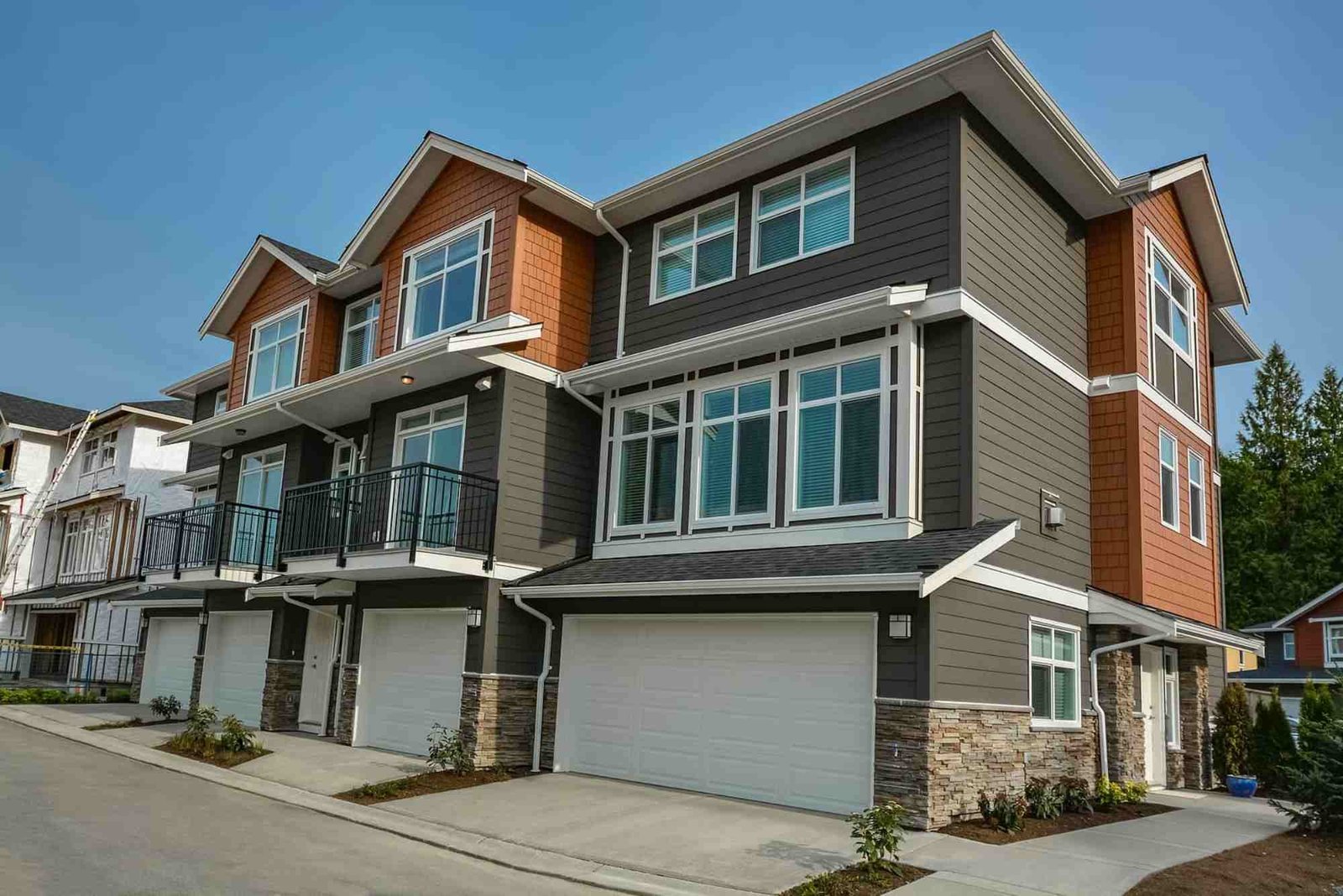
Multi-family properties are residential buildings designed to house more than one family or household. Each unit typically has its own kitchen, bathroom, and living space.
Common types of multi-family properties include:
Duplex Properties
A duplex consists of two separate living units within the same structure. These units may be side-by-side or stacked vertically. Duplexes are popular among beginner investors because they offer manageable entry costs while generating rental income from multiple tenants.


Triplex Properties
A triplex contains three separate residential units. Investors often appreciate triplex properties because they provide additional rental income compared to duplexes while remaining relatively easy to manage.
Fourplex Properties
A fourplex includes four independent residential units. Many lenders still classify fourplexes as residential properties, which can make financing more accessible than larger commercial buildings.
Apartment Buildings
Apartment buildings contain five or more rental units and are generally considered commercial real estate. These properties can produce significant cash flow and economies of scale but often require larger investments and more extensive management.
Why Investors Choose Multi-Family Properties for Sale
The growing popularity of multi-family properties for sale stems from several financial and operational advantages.
Multiple Income Streams
Unlike a single-family rental property, a multi-family building generates income from several tenants simultaneously. If one tenant moves out, the remaining units can continue producing revenue.
Lower Vacancy Risk
Vacancies are inevitable in real estate. However, losing one tenant in a duplex or apartment building is generally less financially damaging than losing the sole tenant in a single-family home.
Improved Cash Flow Potential
Because multiple units generate rent each month, multi-family investments often produce stronger cash flow than similarly priced single-family properties.
Scalable Real Estate Growth
Managing four units within one building is typically more efficient than managing four separate single-family homes spread across different locations.
Property Appreciation Opportunities
Well-managed multi-family properties can appreciate significantly over time. Increasing rental income and improving property operations may also boost property value.
Benefits of Investing in Duplex Properties
Duplexes remain one of the most popular entry points into multi-family investing.
Affordable Entry Into Real Estate Investing
Many investors find duplexes easier to purchase than larger apartment complexes. The lower acquisition cost reduces financial barriers while providing rental income opportunities.
House Hacking Potential
House hacking involves living in one unit while renting out the other. This strategy can offset mortgage expenses and help new investors gain experience as landlords.
Simplified Property Management
With only two units, duplex management is generally straightforward. Maintenance, tenant communication, and property oversight require less time compared to larger buildings.
Strong Resale Demand
Duplex properties often appeal to both investors and owner-occupants, creating a larger pool of potential buyers when it’s time to sell.
Advantages of Triplex Investments
Triplex properties strike a balance between affordability and income potential.
Higher Rental Revenue
Three rental units provide greater income opportunities than a duplex, improving overall cash flow potential.
Diversified Tenant Base
Having multiple tenants reduces dependency on any single renter, creating more stable monthly income.
Efficient Maintenance Costs
Property maintenance costs can often be shared across multiple units, improving operating efficiency.
Portfolio Growth Opportunity
Many investors use triplexes as stepping stones toward larger apartment investments and more advanced real estate strategies.
Why Apartment Buildings Attract Serious Investors
Apartment buildings represent the next level of multi-family investing.
Significant Income Potential
Apartment buildings can generate substantial monthly rental income, especially in high-demand markets.
Economies of Scale
Managing twenty units in one location is often more efficient than managing twenty individual houses throughout a city.
Professional Property Management
Larger apartment investments can justify hiring professional management companies, allowing owners to take a more passive role.
Value-Add Opportunities
Investors frequently increase apartment building value through renovations, operational improvements, and strategic rent adjustments.
Key Factors to Consider Before Buying Multi-Family Properties for Sale
Not every property is a good investment. Thorough evaluation is critical before making a purchase.
Location Quality
Location remains one of the most important factors in real estate investing. Strong neighborhoods often feature:
- Growing populations
- Job opportunities
- Quality schools
- Transportation access
- Retail and entertainment options
Property Condition
Inspect the property carefully to identify potential maintenance issues, including:
- Roof condition
- Plumbing systems
- Electrical infrastructure
- HVAC equipment
- Structural concerns
Unexpected repairs can significantly affect profitability.
Rental Market Demand
Research local rental trends to understand:
- Vacancy rates
- Average rents
- Tenant demand
- Future development plans
Strong rental demand typically supports stable occupancy and rent growth.
Operating Expenses
Calculate all expenses accurately, including:
- Property taxes
- Insurance
- Maintenance
- Utilities
- Management fees
- Capital expenditures
Ignoring expenses can lead to unrealistic return projections.
Financing Multi-Family Investments
Financing options vary depending on the size and type of property.
Conventional Loans
Duplexes, triplexes, and fourplexes often qualify for conventional mortgage financing. Investors may benefit from competitive interest rates and longer repayment terms.
FHA Loans for Owner-Occupants
Qualified buyers who live in one unit may access government-backed financing programs with lower down payment requirements.
Commercial Real Estate Loans
Apartment buildings with five or more units generally require commercial financing. These loans focus heavily on property income and investment performance.
Private Lending Options
Private lenders can provide flexible financing solutions, particularly for value-add projects and experienced investors.
How to Analyze a Multi-Family Investment
Successful investors rely on financial analysis before purchasing any property.
Cash Flow Analysis
Cash flow equals rental income minus operating expenses and debt payments. Positive cash flow is often a primary investment objective.
Cap Rate Evaluation
The capitalization rate helps investors compare investment opportunities across different markets and property types.
Cash-on-Cash Return
This metric measures annual cash flow relative to the amount of cash invested.
Occupancy Performance
Higher occupancy rates generally contribute to more stable income and stronger property performance.
Common Risks of Multi-Family Investing
Although multi-family properties for sale offer numerous benefits, investors should understand potential risks.
Unexpected Maintenance Costs
Major repairs such as roof replacements or plumbing failures can impact profitability.
Tenant Turnover
Frequent tenant turnover creates vacancy periods and additional leasing expenses.
Economic Downturns
Changes in local employment and economic conditions can affect rental demand.
Financing Challenges
Interest rate fluctuations may influence property affordability and investment returns.
Understanding these risks allows investors to prepare appropriate contingency plans.
Tips for Maximizing Returns on Multi-Family Properties
Screen Tenants Carefully
Thorough tenant screening helps reduce late payments, property damage, and eviction risks.
Maintain the Property Proactively
Regular maintenance preserves property value and improves tenant satisfaction.
Monitor Market Rents
Keeping rental rates aligned with market conditions supports revenue growth.
Upgrade Strategically
Selective renovations can increase rental income while improving property competitiveness.
Track Financial Performance
Consistent financial monitoring helps identify opportunities to improve profitability and reduce expenses.
The Future of Multi-Family Real Estate Investments
Demand for rental housing continues to support growth in the multi-family sector. Population growth, affordability challenges, and changing lifestyle preferences are encouraging more individuals and families to rent rather than buy homes.
Finding reliable information and useful resources online can save both time and effort. Whether you’re looking for business insights, local services, lifestyle tips, or the latest updates, Finders offers a valuable platform designed to help users discover what they need.
FAQs
What is considered a multi-family property?
A multi-family property is a residential building containing two or more separate housing units occupied by different households. Examples include duplexes, triplexes, fourplexes, and apartment buildings.
Is a duplex a good investment property?
Yes. Duplexes are often considered excellent investments because they provide two income-producing units while remaining relatively affordable and easy to manage.
What is the difference between a triplex and an apartment building?
A triplex contains three residential units, while an apartment building typically contains five or more units and is often classified as commercial real estate.
Do multi-family properties generate more cash flow?
In many cases, yes. Multiple rental units create multiple income streams, which can lead to stronger cash flow compared to single-family rentals.
How much down payment is needed for a multi-family property?
Down payment requirements vary depending on financing type, occupancy status, lender guidelines, and property size.
Are apartment buildings better investments than duplexes?
Not necessarily. Apartment buildings offer greater income potential, but they also require larger investments and more complex management. The best choice depends on your goals, experience, and financial resources.
Can I live in one unit of a multi-family property?
Yes. Many investors choose to occupy one unit while renting the remaining units, a strategy commonly known as house hacking.
What should I look for when buying multi-family properties for sale?
Important factors include location, property condition, rental demand, occupancy history, operating expenses, and future market growth potential.
Investing in multi-family properties for sale offers a powerful path toward building long-term wealth, generating recurring rental income, and expanding a real estate portfolio. Whether you start with a duplex, scale into a triplex, or pursue larger apartment investments, multi-family real estate provides flexibility, stability, and growth opportunities that appeal to both new and experienced investors.