Retail Property for Sale – High Street Shops, Units & Investment Opportunities
Retail property for sale remains one of the most attractive real estate sectors for investors and business owners alike. Whether you are looking for high street shops, retail units, or long-term investment opportunities, the commercial retail market offers consistent income potential and capital growth. In today’s evolving market, smart investors focus on location, tenant strength, and long-term demand to secure profitable deals.
Retail property for sale – high street shops, units & investment opportunities – continues to attract buyers because it combines physical assets with stable rental yields. Despite the growth of online shopping, well-positioned retail spaces in busy commercial areas maintain strong foot traffic and steady tenant demand. As a result, investors view this asset class as a balanced mix of security and profitability.
Why Retail Property for Sale Remains a Strong Investment
Retail real estate has adapted significantly over the past decade. Modern retail properties now blend physical shopping with service-based businesses, restaurants, and convenience stores. This evolution has strengthened the sector rather than weakened it.
Consistent Rental Income
One of the main advantages of retail property for sale is predictable rental income. High street shops often operate under multi-year lease agreements. These leases provide steady cash flow and reduce vacancy risk. Investors benefit from long-term tenants such as grocery stores, pharmacies, and branded outlets.
Tangible Asset Security
Unlike stocks or digital assets, retail property for sale offers tangible ownership. The land and building retain intrinsic value even if tenants change. Over time, well-located commercial units tend to appreciate in value, especially in growing urban centers.
Inflation Hedge
Commercial leases often include rent review clauses. These clauses allow rent increases in line with inflation. As living costs rise, rental income typically increases as well. Therefore, retail property can serve as a hedge against inflation.
Types of Retail Property for Sale
Understanding property types helps investors choose the right opportunity. Retail property for sale – high street shops, units & investment opportunities – includes various categories suited to different strategies.
High Street Shops
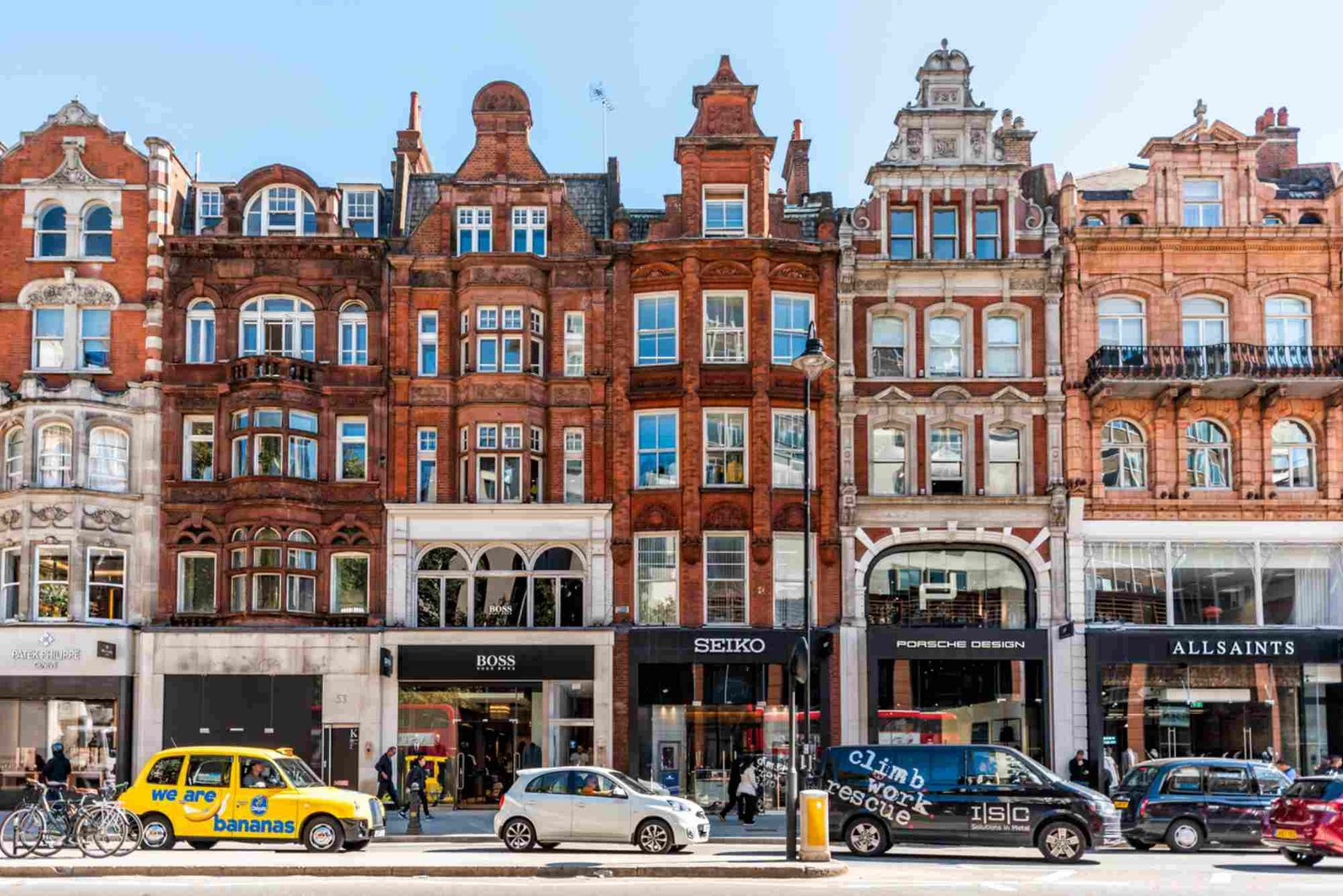
High street shops are located in busy town centers or commercial streets. These properties benefit from strong pedestrian traffic. Businesses such as fashion retailers, cafes, and service providers prefer these prime locations. Although prices are higher, rental yields often justify the investment.
Retail Units in Shopping Parades
Shopping parades consist of multiple small retail units in a row. These properties usually serve residential communities. Tenants often include grocery stores, salons, and takeaway outlets. Vacancy rates are typically lower due to consistent local demand.
Retail Parks and Large Units
Retail parks accommodate larger stores such as furniture outlets and supermarkets. These properties often involve corporate tenants with strong financial backgrounds. Lease terms tend to be long, providing stable income for investors.
Mixed-Use Retail Properties
Mixed-use properties combine retail on the ground floor with residential or office space above. This setup diversifies income streams. Investors can earn rent from both commercial and residential tenants, reducing overall risk.
Key Factors to Consider Before Buying
Purchasing retail property for sale requires careful analysis. A smart decision depends on location, tenant quality, and market conditions.
Location and Footfall
Location remains the most important factor in retail real estate. High foot traffic areas attract stable tenants and higher rents. When evaluating a property, examine nearby businesses, transportation links, and parking availability. Strong surrounding infrastructure supports long-term growth.
Tenant Profile and Lease Terms
Always review existing lease agreements. Check the remaining lease term, rent review clauses, and tenant financial strength. Established brands reduce default risk. Meanwhile, flexible lease structures can provide opportunities for rent increases.
Market Trends
Retail trends shift over time. Service-based businesses, food outlets, and convenience stores are currently in high demand. On the other hand, certain traditional retail sectors face challenges. Understanding consumer behavior helps you invest wisely.
Yield and Return on Investment
Calculate the net yield carefully. Divide annual rental income by the purchase price to estimate returns. Compare this figure with market averages. A balanced retail property for sale should offer both reasonable yield and future appreciation potential.
Retail Property for Sale for Business Owners
Retail property for sale – high street shops, units & investment opportunities – is not only for investors. Business owners also benefit from owning their premises.
Ownership provides long-term cost stability. Instead of paying rent, owners build equity. Over time, property appreciation can significantly increase overall wealth. Additionally, owning a retail space allows greater flexibility in renovations and branding.
For entrepreneurs planning long-term operations, buying rather than leasing can be financially advantageous. However, they must evaluate financing options and ensure business cash flow supports mortgage payments.
Financing Options for Retail Property
Financing commercial property differs from residential loans. Lenders assess business performance, property income, and buyer experience.
Commercial mortgages typically require larger deposits, often between 25% and 40%. Interest rates may be slightly higher than residential rates. However, strong rental income improves loan approval chances.
Investors can also explore joint ventures or real estate investment groups. These structures allow shared ownership and reduced financial burden. As a result, investors can access larger retail property for sale opportunities with lower individual risk.
Risks and How to Mitigate Them
Every investment carries risk. Retail real estate is no exception. However, strategic planning minimizes potential losses.
Vacancy risk is the primary concern. Empty units reduce income and increase maintenance costs. To mitigate this risk, choose properties in established commercial zones. Diversifying across multiple units also spreads risk.
Economic downturns can impact retail businesses. During such periods, essential services tend to remain stable. Therefore, properties leased to supermarkets or pharmacies often perform better in challenging times.
Maintenance costs represent another factor. Older buildings may require upgrades. Conducting professional surveys before purchase prevents unexpected expenses.
Current Market Outlook for Retail Property for Sale
The retail sector has shown resilience. While online shopping continues to grow, physical retail spaces are adapting. Experience-based shopping, dining, and service businesses draw customers back to high streets.
Urban regeneration projects also boost demand for retail units. When cities invest in infrastructure and public spaces, nearby commercial properties increase in value. Investors who enter early often benefit from capital appreciation.
Moreover, smaller community-based retail units are seeing renewed interest. Consumers value convenience and local services. This trend supports stable occupancy rates in neighborhood shopping areas.
How to Identify the Best Investment Opportunities
Finding the right retail property for sale requires research and patience. Successful investors follow a structured approach.
First, analyze local demand. Visit the area at different times of day. Observe foot traffic and business activity. Second, compare multiple properties before making a decision. Price alone should not determine value. Consider yield, tenant stability, and long-term growth prospects.
Networking with commercial agents also helps uncover off-market deals. Sometimes the most profitable opportunities are not publicly advertised.
Long-Term Benefits of Retail Property Ownership
Retail property for sale – high street shops, units & investment opportunities – offers long-term financial benefits when managed properly.
Over time, rental income can increase significantly. Meanwhile, mortgage payments gradually reduce debt. Eventually, investors own a high-value asset with consistent income potential.
Furthermore, retail properties can be passed down as generational wealth. Families often use commercial real estate as a stable financial foundation. With proper management, these assets can support future generations.
Secure Your Retail Investment Today
Retail property for sale remains a powerful investment vehicle for those seeking steady income and asset growth. High street shops, retail units, and mixed-use properties each offer unique advantages. By focusing on location, tenant strength, and market trends, investors can minimize risk and maximize returns.
If you are considering retail property for sale – high street shops, units & investment opportunities – now is the time to explore your options. Conduct thorough research, consult professionals, and evaluate financial projections carefully. With the right strategy, retail real estate can become a cornerstone of your investment portfolio. Take the next step today and secure a property that delivers long-term value and reliable income.
If you’re searching for Property for Sale in Arabian Ranches, this prestigious community offers luxury villas, spacious townhouses, and family-friendly surroundings. Known for its peaceful atmosphere, landscaped parks, and world-class amenities, Arabian Ranches is ideal for comfortable living and smart investment. Explore available properties to find a home that perfectly matches your lifestyle and budget
Frequently Asked Questions
Is retail property a good investment in 2026?
Retail property can be a strong investment if located in high-demand areas. Properties with essential service tenants tend to perform well even during economic shifts.
What is the average yield on retail property?
Average yields vary by location and property type. In many markets, retail property yields range between 5% and 8%, depending on tenant quality and risk level.
How do I finance a retail property purchase?
Most buyers use commercial mortgages. Lenders require larger deposits and review rental income potential before approval.
What should I check before buying a high street shop?
Review lease terms, tenant financial stability, local foot traffic, and future development plans. A professional property survey is also essential.
Can I buy retail property as a first-time investor?
Yes, but careful planning is necessary. Start with smaller units in stable locations to reduce risk while gaining experience in commercial property management.