Introduction
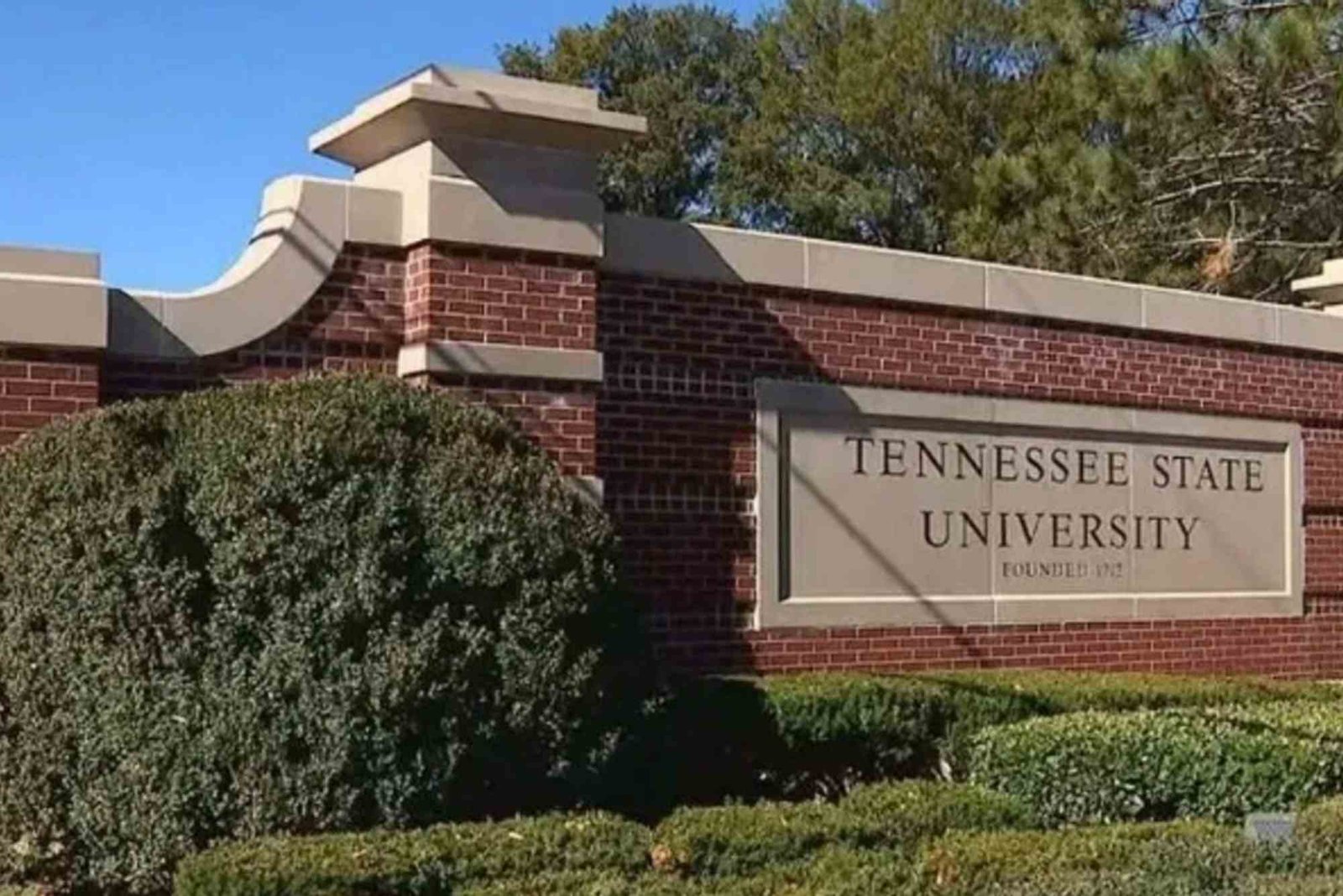
The Tennessee State University Property Sale – Community Opposition & Land Debate has become one of the most discussed urban development issues in Nashville in recent years. At the center of this controversy is not just a real estate transaction, but a broader conversation about public land, educational funding, community trust, and long-term city planning.
For many residents, the Tennessee State University Property Sale – Community Opposition & Land Debate represents a conflict between financial necessity and cultural preservation. While some view the proposed or discussed property transactions as a strategic move to support the university’s financial stability, others see it as a potential loss of valuable land tied deeply to the institution’s identity and the surrounding community.
This article explores the issue in depth, examining the origins of the debate, the concerns raised by local stakeholders, and the broader implications for urban development and public universities.
Background of Tennessee State University Property Sale – Community Opposition & Land Debate
The Tennessee State University Property Sale – Community Opposition & Land Debate did not emerge overnight. It is rooted in decades of financial challenges faced by public universities, especially historically Black colleges and universities (HBCUs) like Tennessee State University.
Over time, universities often acquire land for expansion, research facilities, housing, and infrastructure. However, when funding pressures increase, institutions may consider selling or leasing portions of their property to generate revenue. This is where the Tennessee State University Property Sale – Community Opposition & Land Debate began to take shape.
Supporters of the sale argue that such decisions can help stabilize budgets, fund academic programs, and improve campus facilities. However, critics argue that selling land tied to a public university, especially in rapidly developing urban areas like Nashville, risks long-term disadvantages for both students and the surrounding community.


Community Opposition in the Tennessee State University Property Sale – Community Opposition & Land Debate
Community reaction has been one of the most defining aspects of the Tennessee State University Property Sale – Community Opposition & Land Debate. Local residents, alumni, students, and advocacy groups have expressed concerns about transparency, equity, and long-term impact.
One of the strongest arguments from opponents is that university land represents more than just real estate. In the context of the Tennessee State University Property Sale – Community Opposition & Land Debate, many see the land as a cultural and historical asset. Tennessee State University, as an HBCU, holds significant importance in preserving African American educational heritage, and any reduction in land ownership is viewed with caution.
Another concern is displacement pressure. As urban development expands, surrounding neighborhoods fear that large-scale property transactions may accelerate gentrification, raising housing costs and altering the character of long-standing communities. These fears continue to fuel the Tennessee State University Property Sale – Community Opposition & Land Debate.
Trust is another critical issue. Some community members feel excluded from decision-making processes, leading to skepticism about whether the sale truly benefits students and residents or primarily serves external development interests.
Land Value and Urban Growth in the Debate
At the heart of the Tennessee State University Property Sale – Community Opposition & Land Debate lies a complex question: how should valuable urban land be used in a growing city like Nashville?
Nashville has experienced rapid population growth, rising property values, and increased demand for housing and commercial development. University-owned land, particularly in central locations, has therefore become highly attractive to developers.
Supporters of land sales argue that unused or underutilized property can be transformed into housing, retail spaces, or mixed-use developments that contribute to the city’s economic growth. In this view, the Tennessee State University Property Sale – Community Opposition & Land Debate is part of a broader urban evolution.
Opponents, however, argue that once university land is sold, it is rarely recovered. They emphasize that institutions like Tennessee State University need room for future expansion, especially as student populations and academic demands increase. This tension continues to define the Tennessee State University Property Sale – Community Opposition & Land Debate.
Economic Implications of the Property Sale Debate
The economic dimension of the Tennessee State University Property Sale – Community Opposition & Land Debate is significant. Public universities often operate under tight budgets, relying on state funding, tuition, and grants. When funding falls short, property assets become an important financial resource.
Proponents of property sales argue that monetizing land assets can provide immediate financial relief. Funds generated through sales or leases could be reinvested into academic programs, scholarships, infrastructure upgrades, and faculty development. In this sense, the Tennessee State University Property Sale – Community Opposition & Land Debate is seen as a financial strategy rather than a loss.
However, critics warn of long-term opportunity costs. Selling land today may solve short-term budget issues but could limit future revenue-generating opportunities. Additionally, if property values continue to rise, the university may lose access to significantly higher returns in the future, intensifying concerns in the Tennessee State University Property Sale – Community Opposition & Land Debate.
Political and Legal Dimensions of the Debate
The Tennessee State University Property Sale – Community Opposition & Land Debate also involves complex political and legal considerations. As a public institution, Tennessee State University operates under state oversight, meaning that major property decisions often require approval from governing boards and state authorities.
Legal questions often arise around land use restrictions, zoning laws, and fiduciary responsibility. Stakeholders debate whether selling public university land aligns with long-term public interest obligations.
Politically, the issue often attracts attention from local representatives, advocacy groups, and education policymakers. Decisions related to the Tennessee State University Property Sale – Community Opposition & Land Debate can influence public perception of how HBCUs are supported and protected at the state level.
Stakeholder Perspectives in the Tennessee State University Property Sale – Community Opposition & Land Debate
Different stakeholders bring different priorities to the Tennessee State University Property Sale – Community Opposition & Land Debate.
University administrators often focus on financial sustainability and institutional growth. Their perspective is that strategic land use decisions are necessary to ensure the university’s long-term survival and competitiveness.
Students and alumni tend to emphasize legacy, identity, and campus experience. For them, the Tennessee State University Property Sale – Community Opposition & Land Debate is not just about money but about preserving the physical and cultural footprint of the institution.
Community members living near the university often focus on housing, affordability, and neighborhood stability. Their concerns center on how land development decisions might reshape their environment.
Developers and investors, on the other hand, view the land as an opportunity for economic development, housing expansion, and commercial growth. These competing perspectives make the Tennessee State University Property Sale – Community Opposition & Land Debate highly complex and emotionally charged.
Future Outlook of Tennessee State University Property Sale – Community Opposition & Land Debate
Looking ahead, the Tennessee State University Property Sale – Community Opposition & Land Debate is likely to continue shaping discussions about public education funding and urban development.
One possible outcome is increased transparency and community engagement in decision-making processes. Universities may adopt more collaborative approaches to ensure that stakeholders feel included.
Another possibility is the development of hybrid solutions, such as long-term leases instead of outright sales. This could allow institutions to retain ownership while still generating revenue, potentially easing tensions in the Tennessee State University Property Sale – Community Opposition & Land Debate.
Ultimately, the future will depend on balancing financial needs with cultural preservation and community impact.
The Tennessee State University Property Sale – Community Opposition & Land Debate reflects a broader challenge faced by many public institutions today: how to manage valuable assets responsibly while preserving their educational mission and community ties.
FAQs
What is the Tennessee State University Property Sale – Community Opposition & Land Debate about?
It refers to discussions and controversies surrounding potential or proposed sales of Tennessee State University property and the concerns raised by community members regarding its impact.
Why are people opposing the Tennessee State University property sale?
Opposition in the Tennessee State University Property Sale – Community Opposition & Land Debate is mainly due to concerns about cultural preservation, gentrification, transparency, and long-term land loss.
How could the property sale affect Tennessee State University students?
Students may experience changes in campus expansion plans, resource allocation, and long-term institutional growth depending on outcomes of the Tennessee State University Property Sale – Community Opposition & Land Debate.
Does the university benefit financially from selling property?
Yes, selling property can provide short-term financial support, but critics of the Tennessee State University Property Sale – Community Opposition & Land Debate argue it may reduce long-term asset value.
What are the long-term risks of university land sales?
Long-term risks include loss of expansion space, increased development pressure, and reduced institutional control over surrounding areas, all key concerns in the Tennessee State University Property Sale – Community Opposition & Land Debate.