Introduction
Choosing between a townhouse and an apartment is one of the most important decisions for anyone looking to buy or rent a home. While both options provide comfortable living spaces, they offer completely different experiences in terms of design, ownership costs, privacy, maintenance, and daily life. Understanding Townhouse vs Apartment: Main Differences in Layout, Fees, and Lifestyle can help you make a smarter decision that matches your budget and long-term goals.
Understanding Townhouses and Apartments
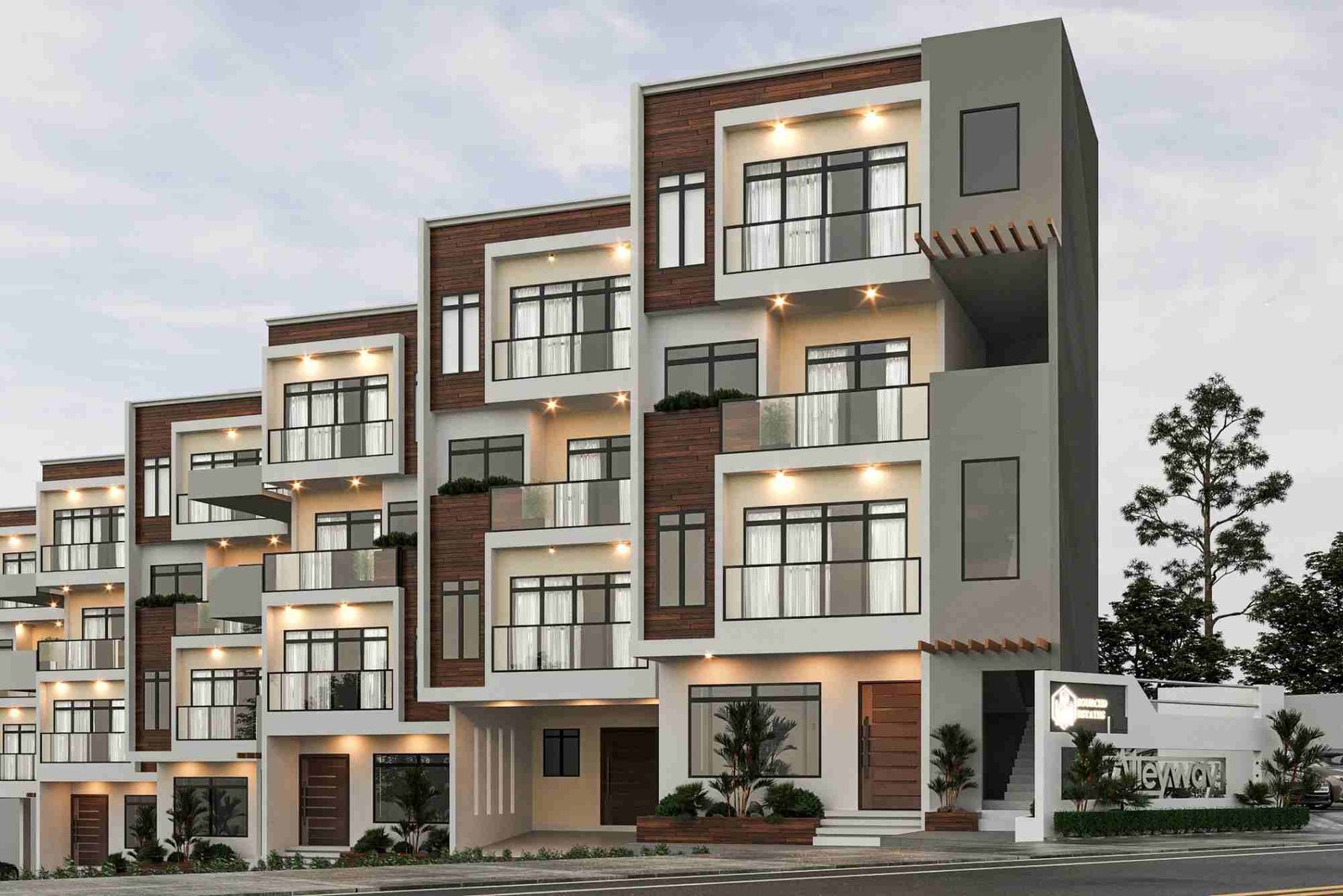
A townhouse is a multi-level home that shares one or two walls with neighboring properties but has its own private entrance. Many townhouses include a garage, backyard, or patio, making them feel similar to single-family homes.
An apartment is usually a single-level unit located inside a larger residential building. Residents share common spaces such as elevators, hallways, gyms, and parking areas. Apartments are available in different sizes, from studio units to luxury penthouses. Although both provide modern housing solutions, the overall living experience is significantly different.
Layout Differences Between Townhouses and Apartments
One of the biggest aspects of Townhouse vs Apartment: Main Differences in Layout, Fees, and Lifestyle is the floor plan. Townhouses are typically designed with multiple floors. Living rooms and kitchens are often located on the first floor, while bedrooms occupy the upper level. This separation creates more privacy for family members and makes entertaining guests easier. Apartments generally feature an open-concept layout on a single floor. Every room is easily accessible without stairs, making apartments an excellent choice for seniors, students, and individuals who prefer convenient living.
Townhouses also offer more storage space through garages, basements, or attics. Apartments usually have limited storage, requiring residents to maximize every square foot efficiently. The extra space available in townhouses makes them ideal for families, while apartments suit individuals or couples who value simplicity.
Privacy and Noise Levels
Privacy plays a major role when comparing different housing options. Townhouses usually have fewer shared walls and private entrances, reducing everyday noise from neighbors. Outdoor spaces are often exclusive to the homeowner, providing additional personal comfort. Apartments have shared hallways, elevators, and recreational facilities. Residents may hear neighbors through walls or ceilings, especially in older buildings.


People who work from home or value quiet environments often prefer townhouses because they offer greater separation between households. However, newer apartment complexes use improved soundproofing technology, making modern apartments much quieter than older buildings.
Monthly Fees and Ownership Costs
When discussing Townhouse vs Apartment: Main Differences in Layout, Fees, and Lifestyle, monthly expenses deserve careful attention. Townhouses often have homeowners association (HOA) fees that cover landscaping, exterior maintenance, community security, and shared amenities. These fees vary depending on the neighborhood and available services. Apartments usually include maintenance costs within rent payments if leased. Apartment owners in condominium-style buildings may also pay monthly association fees for building management, elevators, pools, fitness centers, and security.
Although apartments may seem less expensive initially, luxury buildings with extensive amenities can have surprisingly high monthly fees. Townhouses generally involve higher utility costs because they provide more living space, while apartments often benefit from lower heating and cooling expenses due to shared walls. Understanding every recurring expense helps buyers avoid unexpected financial surprises.
Maintenance Responsibilities
Maintenance requirements significantly influence daily life. Townhouse owners are often responsible for interior repairs and some exterior upkeep. Depending on the community rules, residents may also maintain their private yards or patios.
Apartment renters usually contact property management whenever repairs are needed. Maintenance teams handle plumbing issues, electrical problems, and common area upkeep without requiring additional effort from tenants. Busy professionals appreciate apartment living because it minimizes maintenance responsibilities and saves valuable time. Homeowners who enjoy gardening or personalizing outdoor spaces often find townhouse living more rewarding.
Lifestyle and Community Experience
Lifestyle preferences strongly affect the decision between the two housing types.
Townhouse communities often attract families, long-term residents, and homeowners seeking neighborhood stability. Children may have access to parks, playgrounds, and quiet residential streets. Apartment buildings usually create vibrant communities with diverse residents, including students, young professionals, and retirees. Shared amenities encourage social interaction and make meeting neighbors easier.
Many apartments offer swimming pools, coworking spaces, rooftop lounges, fitness centers, and organized community events that enhance everyday living. Townhouses provide a more private atmosphere while still offering access to shared community features in many developments. Choosing the right environment depends on personal preferences rather than property size alone.
Parking and Outdoor Space
Parking availability differs considerably between the two options. Townhouses frequently include attached garages or dedicated driveways that provide secure parking and additional storage. Apartments often rely on shared parking lots or underground garages. Premium parking spaces may require extra monthly payments in busy urban locations.
Outdoor living also varies significantly.
Townhouses commonly feature private patios, balconies, gardens, or small backyards suitable for entertaining guests or relaxing outdoors. Apartments usually offer balconies or access to communal gardens rather than exclusive outdoor areas. Families with pets or children often appreciate the additional outdoor space available with townhouses.
Investment Value and Resale Potential
Property buyers should also consider long-term investment opportunities. Townhouses generally appreciate well because they include land ownership and appeal to growing families. Their larger size often increases resale demand in suburban markets.
Apartments located in city centers may also experience strong appreciation, especially in areas with limited housing supply and excellent transportation access. Rental demand remains high for apartments due to affordability and convenience, making them attractive investment properties for landlords. Ultimately, location influences property value more than housing type alone.
Who Should Choose a Townhouse?
A townhouse is an excellent choice for buyers who want extra space, multiple bedrooms, private entrances, garages, and outdoor areas.
Families, remote workers, and individuals planning long-term residence often benefit from townhouse living because it provides greater flexibility and privacy. People who enjoy home improvement projects or gardening also appreciate the ownership experience that townhouses provide.
Who Should Choose an Apartment?
Apartments are ideal for students, young professionals, frequent travelers, and anyone seeking low-maintenance living. Their central locations provide quick access to restaurants, shopping centers, offices, and public transportation.
Looking for trusted information, local business listings, and useful guides in the UAE? Explore Finders.ae, a user-friendly platform that brings together business directories, real estate insights, lifestyle articles, travel tips, and much more. Whether you’re searching for services or staying updated with the latest trends, Finders.ae offers reliable resources to help you make informed decisions with ease.
How to Decide Between a Townhouse and an Apartment
The best decision depends on your lifestyle, financial situation, and future plans.
If privacy, space, and long-term ownership matter most, a townhouse may provide greater satisfaction. If convenience, lower maintenance, and urban accessibility are your priorities, an apartment can deliver an excellent quality of life. Evaluating your daily routine, monthly budget, and family needs will help you make a confident decision.
Conclusion
Understanding Townhouse vs Apartment: Main Differences in Layout, Fees, and Lifestyle makes it easier to choose a home that truly matches your goals. Townhouses offer spacious layouts, enhanced privacy, and a family-friendly environment, while apartments deliver convenience, lower maintenance, and access to premium urban amenities.
Choosing between a standard apartment and a serviced apartment depends on your lifestyle, budget, and rental needs. While apartments offer greater independence and long-term flexibility, serviced apartments provide furnished spaces with added amenities and housekeeping. Learn more in Apartment vs Serviced Apartment: Key Differences in Services and Contracts to make an informed decision.
Frequently Asked Questions
Is a townhouse better than an apartment?
A townhouse is better for people who want more space, privacy, and outdoor areas. An apartment is better for those seeking convenience and minimal maintenance.
Which is cheaper to maintain, a townhouse or an apartment?
Apartments are generally cheaper to maintain because property management handles most repairs and common area maintenance.
Do townhouses have higher monthly fees?
Some townhouses have HOA fees, but the amount depends on community services and amenities. Fees vary significantly between locations.
Are apartments a good investment?
Yes. Apartments can generate strong rental income and appreciate in value, especially in high-demand urban areas.
Which property offers more privacy?
Townhouses usually provide greater privacy because they have private entrances, fewer shared walls, and dedicated outdoor spaces.