
Introduction
Choosing between a traditional apartment and a serviced apartment is an important decision for anyone planning a short-term or long-term stay. Whether you are relocating for work, moving with your family, or simply looking for temporary accommodation, understanding the differences can save you time, money, and stress.
The topic of Apartment vs Serviced Apartment: Key Differences in Services and Contracts has become increasingly relevant as modern travelers and professionals seek flexible housing options. Although both provide private living spaces, they differ significantly in terms of amenities, rental agreements, maintenance responsibilities, and overall lifestyle.
What Is an Apartment?
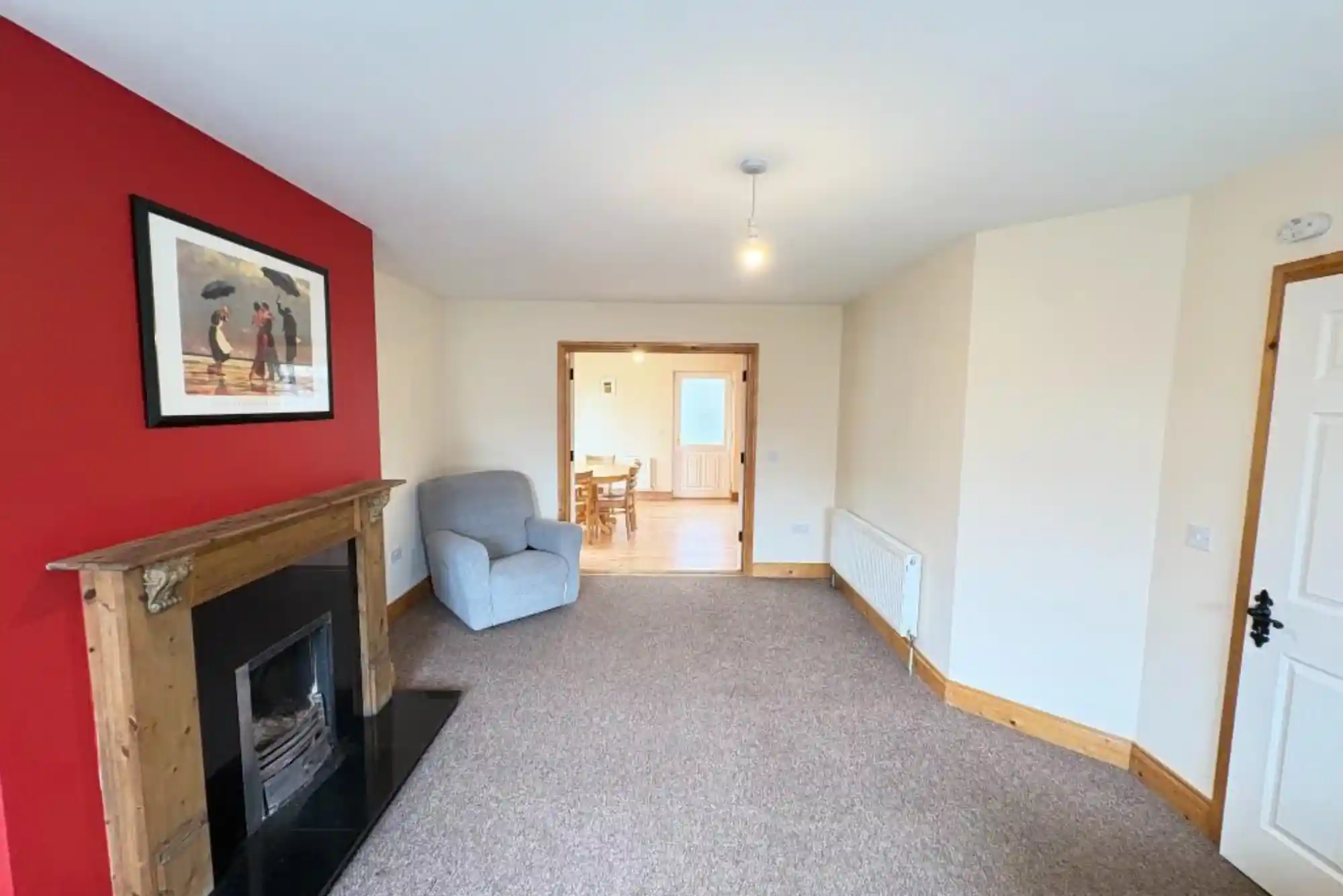
A traditional apartment is a residential unit rented or owned for long-term living. It provides a private space that usually includes bedrooms, a kitchen, a bathroom, and a living area. Most apartments are either unfurnished or partially furnished, allowing tenants to personalize their homes.
Tenants are generally responsible for paying rent, utility bills, internet charges, and maintenance costs that are not covered by the landlord. Rental agreements often last six months to one year or even longer, making apartments ideal for people planning a stable lifestyle. Because apartments function like permanent homes, residents enjoy greater privacy and freedom to decorate and organize their space according to personal preferences.
What Is a Serviced Apartment?
A serviced apartment combines the comfort of a home with the convenience of a hotel. It is fully furnished and equipped with essential appliances, furniture, kitchenware, and household items. Unlike traditional apartments, serviced apartments include additional services such as housekeeping, laundry, security, reception assistance, internet access, and sometimes even fitness centers or swimming pools.
These accommodations are especially popular among business travelers, digital nomads, expatriates, and families who need temporary housing without worrying about furnishing or maintaining the property. The flexible rental terms make serviced apartments attractive for stays ranging from a few days to several months.


Apartment vs Serviced Apartment: Key Differences in Services and Contracts
Understanding the differences between these two accommodation types helps renters make informed decisions. Traditional apartments focus primarily on providing living space. After signing the lease, tenants manage cleaning, maintenance scheduling, utility payments, and daily household responsibilities themselves.
Another major difference lies in rental contracts. Apartment leases usually require long-term commitments, security deposits, and notice periods before termination. Serviced apartments offer flexible agreements with shorter stays and simplified booking processes. These distinctions make each option suitable for different lifestyles and financial situations.
Services Included in a Serviced Apartment
One of the biggest advantages of serviced apartments is the wide range of included services.
Most serviced apartments provide regular housekeeping, ensuring that rooms remain clean without extra effort from residents. Fresh towels and bed linens are often replaced on scheduled days, creating a hotel-like experience while maintaining the privacy of a personal residence.
Many properties include high-speed internet, cable television, utilities, parking facilities, and twenty-four-hour security. Some premium serviced apartments also offer business lounges, meeting rooms, gyms, swimming pools, and concierge services. These bundled services eliminate the need to arrange multiple subscriptions or service providers, making relocation much easier.
Services Typically Available in Traditional Apartments
Traditional apartments offer much greater independence but fewer included services. The landlord usually maintains the building structure and common areas, while tenants handle interior cleaning and daily maintenance. Utility bills such as electricity, water, gas, and internet are often separate expenses.
Residents are responsible for purchasing furniture if the apartment is unfurnished. They also arrange internet installation, housekeeping, and laundry services independently. Although this requires more effort, it gives tenants greater flexibility in choosing service providers and controlling monthly expenses.
Contract Structure and Rental Agreements
Contracts represent one of the most significant differences between these housing options. Traditional apartment leases commonly require a fixed rental period. Security deposits are standard, and tenants may face penalties for early termination. Renewal procedures and annual rent adjustments are usually outlined in the agreement.
Serviced apartments offer much more flexibility. Guests can book accommodations for a week, a month, or several months depending on their needs. Deposits may be smaller or completely unnecessary for short stays. Businesses often prefer serviced apartments because employees can extend or shorten their stay without complicated lease negotiations.
Cost Comparison Between Apartments and Serviced Apartments
At first glance, serviced apartments appear more expensive than traditional apartments because their monthly rates are generally higher. However, comparing only rental prices does not present the complete picture. Serviced apartment rates usually include furniture, utilities, internet, housekeeping, maintenance, and security services. Traditional apartment tenants often pay these expenses separately, increasing their overall monthly costs.
For short-term stays, serviced apartments frequently provide better value because residents avoid furniture purchases, utility setup fees, and long lease commitments. For long-term residents staying several years, traditional apartments usually become the more economical choice due to lower base rent and greater control over expenses.
Lifestyle and Convenience
Lifestyle preferences play a major role when choosing accommodation.Traditional apartments create a sense of permanence and community. Residents build relationships with neighbors, personalize their living spaces, and enjoy greater independence.
Serviced apartments emphasize convenience and flexibility. Everything is ready upon arrival, allowing guests to focus on work, travel, or family instead of household management. Busy professionals often appreciate returning to a clean apartment after a long day without worrying about chores. Families relocating temporarily also benefit from fully equipped kitchens and spacious living areas compared to standard hotel rooms.
Who Should Choose a Traditional Apartment?
A traditional apartment is an excellent choice for people planning long-term residence. Students attending university for several years often prefer apartments because they offer affordability and stability. Families seeking permanent housing enjoy decorating their homes and creating a familiar environment.
Individuals with their own furniture or those wanting complete control over household arrangements will find traditional apartments more suitable. People working locally for extended periods also benefit from lower long-term rental costs.
Who Should Choose a Serviced Apartment?
Serviced apartments are perfect for professionals on temporary assignments, international consultants, corporate travelers, and digital nomads. They also suit families relocating before purchasing a permanent home or individuals waiting for property renovations to finish.
Travelers enjoy hotel-style services while maintaining the comfort and privacy of a residential apartment. Business guests particularly appreciate flexible contracts that adapt to changing project timelines. Anyone looking for a move-in-ready home without additional setup responsibilities will likely prefer a serviced apartment.
Advantages and Challenges of Each Option
Traditional apartments offer affordability for long-term living, personalization opportunities, and greater independence. However, tenants must manage cleaning, maintenance coordination, and utility services themselves.
Serviced apartments provide exceptional convenience, flexible contracts, and comprehensive amenities. The trade-off is generally a higher monthly cost, especially for extended stays. Choosing between the two depends on personal priorities rather than determining which option is universally better.
How to Make the Right Decision
Before selecting accommodation, consider the expected length of stay, budget, work schedule, and lifestyle preferences.
If you value stability, customization, and lower long-term costs, a traditional apartment is usually the better investment. If flexibility, convenience, and included services matter more than minimizing monthly rent, a serviced apartment delivers outstanding value.
Conclusion
Understanding Apartment vs Serviced Apartment: Key Differences in Services and Contracts allows renters to choose accommodation that aligns with their goals, budget, and lifestyle. Traditional apartments provide stability, independence, and lower long-term costs, making them ideal for permanent residents. Serviced apartments deliver flexibility, convenience, and premium services, making them perfect for temporary stays and busy professionals.
Frequently Asked Questions
Is a serviced apartment better than a regular apartment?
A serviced apartment is better for short-term stays and convenience, while a regular apartment is typically more cost-effective for long-term living.
Do serviced apartments include utility bills?
Yes. Most serviced apartments include electricity, water, internet, housekeeping, and maintenance within the rental price.
Can you sign a long-term contract for a serviced apartment?
Many serviced apartments offer long-term options, but their contracts remain more flexible than traditional apartment leases.
Why are serviced apartments more expensive?
They include furniture, utilities, cleaning services, security, and additional amenities that would otherwise require separate payments.
Which option is best for business travelers?
Serviced apartments are generally the preferred choice because they combine home comfort with hotel-style services and flexible rental agreements.