What Is a Loft Apartment? Features, Pros, and Design Ideas
A loft apartment has become a symbol of modern urban living, combining spaciousness with unique architectural charm. Originally designed as industrial spaces, lofts have evolved into stylish residences for those who appreciate open layouts and creative interiors. But what exactly makes a loft apartment different from a standard apartment? This guide will explain the features, advantages, and design ideas that make loft apartments highly desirable in today’s real estate market. Whether you’re an investor, first-time homebuyer, or someone looking to upgrade your living space, understanding loft apartments can help you make an informed decision.
Key Features of a Loft Apartment
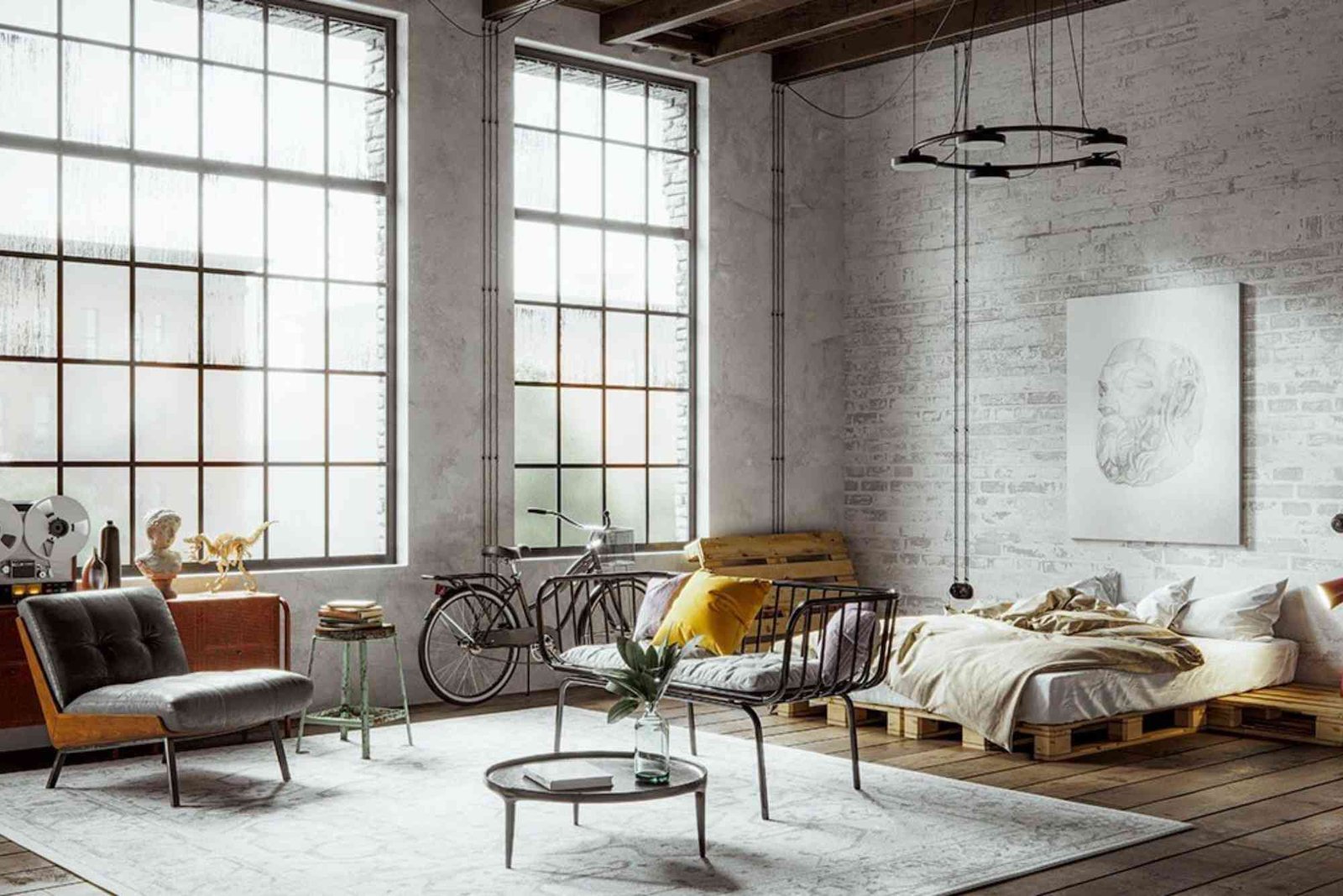
Loft apartments are known for their distinct architectural and interior features that set them apart from traditional apartments. One of the most defining characteristics is the open floor plan. Unlike conventional layouts with separate rooms, lofts often feature a large, open space that seamlessly combines living, dining, and sleeping areas. This openness allows natural light to fill the space, creating a bright and airy atmosphere.
High ceilings are another hallmark of loft apartments. Many lofts retain the original industrial ceiling height, sometimes exceeding 12 feet. This not only enhances the feeling of spaciousness but also offers opportunities for creative interior design, such as elevated sleeping areas, mezzanines, or gallery-style walls. Exposed architectural elements like brick walls, wooden beams, and ductwork add character and an industrial aesthetic that appeals to many urban dwellers.
Large windows are also a prominent feature. They bring in natural light and often provide stunning cityscape views. Floor-to-ceiling windows are common in lofts, offering both visual appeal and energy efficiency when designed with modern glazing. Open kitchens with modern appliances and minimalist cabinetry complement the loft’s airy feel, making the space practical for both living and entertaining.
Pros of Living in a Loft Apartment
Loft apartments come with several advantages that make them attractive to different types of residents. One major benefit is the sense of space. The open layout and high ceilings make lofts feel larger than they actually are, providing a comfortable environment for living and hosting gatherings. This spaciousness also allows flexibility in arranging furniture and creating multifunctional zones without feeling cramped.
Another advantage is the abundance of natural light. Large windows ensure that even the darkest corners of the apartment receive sunlight, improving mood and reducing reliance on artificial lighting. For those who value creativity, lofts provide a blank canvas to design interiors that reflect personal style. Open walls and high ceilings allow for custom shelving, artistic displays, and versatile layouts that can be modified over time.
Lofts often attract residents with an appreciation for urban living. Many loft apartments are located in city centers or converted industrial areas, offering easy access to cultural attractions, restaurants, and public transport. Additionally, the industrial-chic aesthetic of a loft can increase the property’s resale value, appealing to buyers who prioritize unique design and architectural character.
Design Ideas for a Loft Apartment
Designing a loft apartment requires thoughtful planning to maintain both style and functionality. One popular approach is the use of partitions or furniture to define different living areas without closing off the open space. Rugs, bookshelves, and movable screens can help create zones for sleeping, dining, and working while preserving the loft’s airy feel.
Lighting plays a crucial role in loft design. Pendant lights, floor lamps, and track lighting can accentuate the architectural features while providing practical illumination. Layered lighting, combining natural and artificial sources, ensures the loft remains inviting at all hours.
For a cohesive look, many loft owners embrace an industrial or minimalist design style. Neutral color palettes with shades of grey, white, and earthy tones enhance the loft’s architectural elements. Adding texture through exposed brick, wooden floors, or metal accents creates warmth and visual interest.
Storage is often a challenge in loft apartments due to the open layout. Creative solutions like built-in shelving, under-stair storage, and lofted beds can maximize space without cluttering the apartment. Plants and greenery are also effective in adding life and vibrancy, making the loft feel more like a home rather than a bare industrial space.
Investment Benefits of Loft Apartments
Beyond lifestyle appeal, loft apartments are increasingly seen as smart investments. Their unique aesthetic and urban locations often attract high rental demand, particularly among young professionals and creatives. Lofts can generate competitive rental income compared to conventional apartments, especially in trendy neighborhoods.
The resale value of loft apartments is another factor that makes them attractive to investors. Properties with exposed brick, high ceilings, and large windows tend to retain their value and appeal, making them easier to sell in the future. Additionally, because lofts are often situated in repurposed historic buildings or city centers, they may benefit from long-term appreciation due to urban revitalization trends.
Challenges of Loft Living
While loft apartments offer many advantages, they are not without challenges. The open layout, while visually appealing, can make privacy a concern. Residents may need to creatively partition spaces or invest in curtains and dividers. Heating and cooling a loft can also be more expensive due to high ceilings and large windows. Sound can travel easily in an open space, which may require acoustic solutions like rugs, drapes, and soft furnishings to reduce echo.
Maintenance is another consideration. Exposed brick walls and industrial materials may require specialized care, and lofts in historic buildings may have stricter renovation restrictions. However, with careful planning, these challenges can be mitigated while preserving the loft’s charm.
Loft apartments offer a unique combination of space, style, and urban living convenience. With their open layouts, high ceilings, and industrial charm, they appeal to those seeking both aesthetic appeal and functional flexibility. While challenges like privacy and heating exist, thoughtful design solutions can overcome them. Whether you are looking to rent, buy, or invest, understanding loft apartments can help you maximize both lifestyle and financial benefits. Explore loft living today and transform your urban experience into a spacious, stylish, and vibrant home.
If you’re exploring property options in the UAE, understanding the concept of a freehold apartment is essential. Freehold properties offer complete ownership rights, making them ideal for long-term investment. Learn more about the benefits of owning a freehold apartment and how it can secure your future in real estate.
Discover a world of opportunities and trusted services at Finders! Whether you’re looking for expert guidance, top-rated products, or reliable solutions, our platform connects you with everything you need in one place. Explore more and start your journey today by visiting our.
Frequently Asked Questions
What is a loft apartment?
A loft apartment is a residence with an open floor plan, high ceilings, and often features industrial elements like exposed brick and large windows.
Are loft apartments suitable for families?
Lofts are ideal for singles or couples due to the open layout. Families may need to use partitions to create private spaces.
Do loft apartments have separate bedrooms?
Many lofts do not have traditional bedrooms. Residents use furniture, partitions, or mezzanine levels to define sleeping areas.
Why are loft apartments expensive?
Their unique design, urban location, and high ceilings make lofts desirable, often increasing market value and rental income potential.
Can loft apartments be customized?
Yes, lofts are highly flexible, allowing creative interior designs, furniture arrangements, and storage solutions.