What Is an Apartment House? Definition and How It Differs From a Complex
An apartment house is a residential building designed to accommodate multiple families or individuals in separate living units. Unlike single-family homes, apartment houses consolidate several apartments within one structure, allowing for shared amenities and efficient use of urban space. Understanding the distinction between an apartment house and a complex is essential for renters, investors, and urban planners.
Understanding the Apartment House
An apartment house, often referred to as an apartment building, is a structure that houses multiple apartments, each equipped with essential living spaces such as bedrooms, bathrooms, kitchens, and living areas. These buildings range in size, from small structures with just a few units to towering high-rises containing hundreds of apartments. The design of apartment houses focuses on maximizing living space while providing basic facilities for residents.
Apartment houses are prevalent in cities and urban centers due to limited land availability. They cater to diverse populations, including single professionals, families, and retirees, offering a more affordable and convenient living option compared to single-family homes. The efficiency of apartment houses lies in their ability to provide multiple residences in a single footprint, making them an important aspect of urban planning.
Key Features of an Apartment House
Apartment houses share certain characteristics that define their structure and function. One primary feature is shared access, such as hallways, staircases, elevators, and entry points. Unlike townhouses or condos that may have separate entrances, apartment houses often have centralized access points to enhance security and management.
Another significant feature is uniformity in construction. Units within an apartment house often follow a similar floor plan, although some buildings may offer varying layouts to accommodate different needs. Additionally, apartment houses may provide communal amenities like laundry rooms, parking spaces, fitness centers, and recreational areas, which are maintained collectively for all residents.
The ownership of apartment houses can vary. In some cases, a single entity owns the entire building, renting out units individually. In other instances, individual units may be owned separately, with shared management responsibilities for common areas. This distinction affects both maintenance obligations and legal responsibilities of the residents.
What Is a Complex?
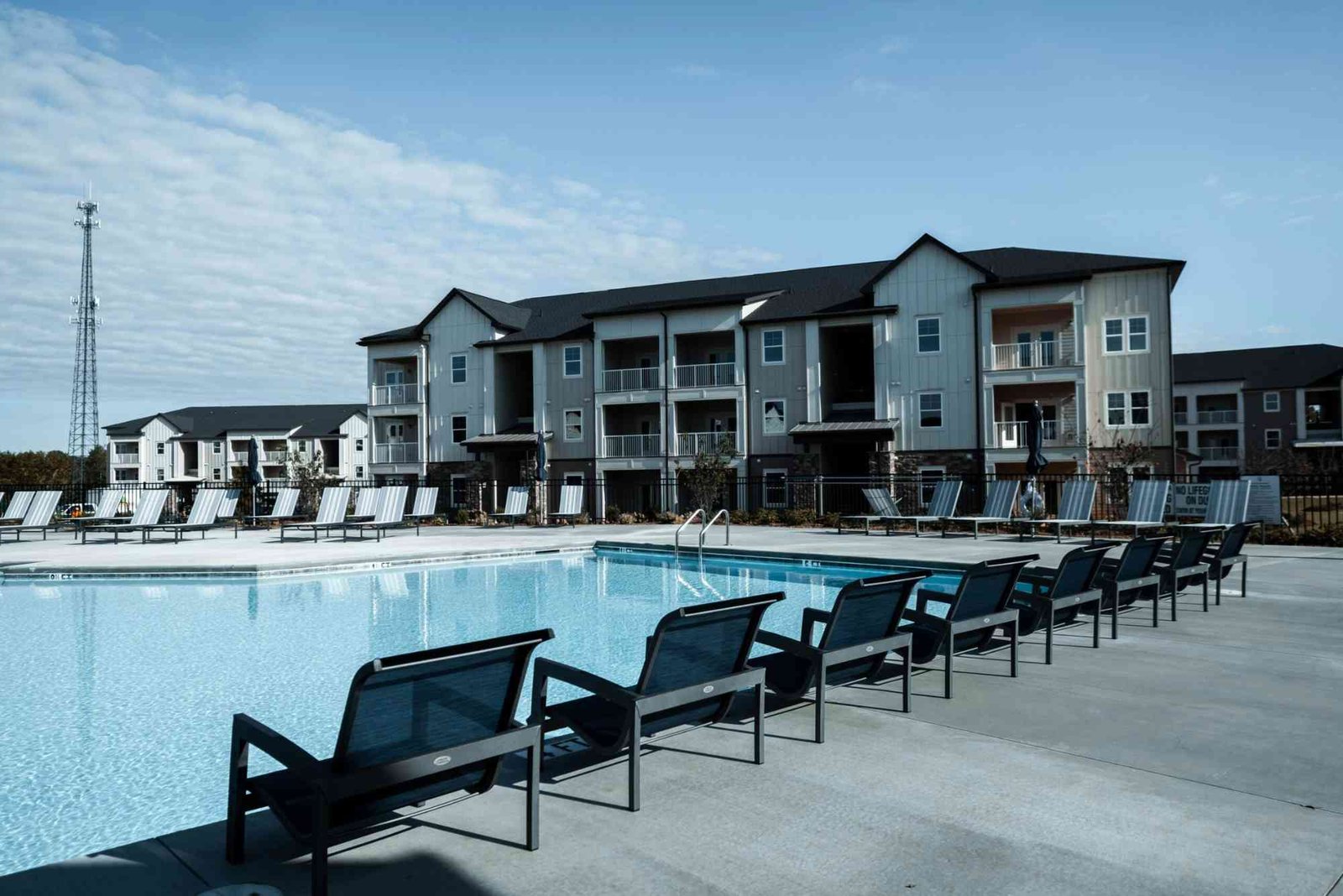
A complex, in residential terms, usually refers to a group of buildings or units within a defined area, designed to function together as a community. A complex may contain apartment houses, townhouses, or other types of residences. Unlike a single apartment house, a complex spreads across multiple structures, often including additional facilities like swimming pools, parks, shopping areas, or community centers.
Complexes are designed with a community-centric approach. They provide an organized layout of buildings, roads, and green spaces to enhance quality of life. Residents in a complex often have access to private amenities and services managed by a homeowners’ association or property management company. The scale and scope of complexes vary widely, ranging from small gated communities to large urban developments with hundreds of units.
Differences Between an Apartment House and a Complex
While both apartment houses and complexes provide residential living, several differences make them distinct. The most apparent difference is scale. An apartment house is a single building with multiple units, while a complex encompasses multiple buildings and facilities within a defined area.
Another key difference is the range of amenities. Apartment houses generally offer shared amenities limited to the building itself, such as laundry rooms, gyms, or parking areas. Complexes, however, can include extensive amenities like parks, clubhouses, swimming pools, and retail outlets, providing a more comprehensive living experience.
Ownership structure also varies. Apartment houses may be entirely rental-focused or individually owned units, whereas complexes often combine multiple ownership and rental options. Management responsibilities in a complex are more extensive, as they cover common spaces, security, landscaping, and community events.
Location and urban planning are additional distinguishing factors. Apartment houses are ideal for dense urban areas where land is limited, and vertical construction maximizes occupancy. Complexes, being more expansive, are often situated in suburban or planned urban communities where space allows for multiple buildings and outdoor amenities.
Advantages of Living in an Apartment House
Living in an apartment house offers several benefits. First, it provides affordable housing options compared to single-family homes, making it accessible to a wide range of income levels. Second, apartment houses often occupy prime urban locations, offering proximity to workplaces, schools, shopping centers, and public transport.
Maintenance convenience is another advantage. Many apartment houses provide on-site management and maintenance staff, reducing the burden of repairs and upkeep for residents. Security is also typically enhanced due to controlled access, surveillance, and shared entryways.
For social and practical reasons, apartment houses foster a sense of community. Residents often interact in shared spaces such as lobbies, corridors, or recreational areas, creating opportunities for social connections and support networks. The density of living also encourages sustainable practices, such as shared utilities and public transportation usage.
Advantages of Living in a Complex
Complexes offer a broader lifestyle experience. They provide more extensive amenities, outdoor spaces, and recreational facilities. Residents enjoy a sense of exclusivity, privacy, and community engagement within a controlled environment. Complexes are also suitable for families seeking safe environments with play areas and social spaces for children.
Property values in complexes can be more stable or increase over time due to comprehensive management and well-maintained communal areas. Complex living promotes an organized, aesthetically appealing environment, with landscaped streets, consistent architecture, and communal standards that enhance neighborhood appeal.
Choosing Between an Apartment House and a Complex
The choice between living in an apartment house or a complex depends on personal needs, lifestyle preferences, and budget. Individuals seeking urban convenience, affordability, and a central location may prefer apartment houses. Those prioritizing space, community amenities, and suburban tranquility might find complexes more suitable.
Other factors include long-term investment potential, management structure, and available services. Apartment houses may offer flexibility for renters and young professionals, while complexes cater to families and individuals seeking a more structured, community-focused living arrangement.
An apartment house is a vertical living structure that maximizes urban space by housing multiple residential units under one roof. While it shares similarities with residential complexes, the two differ in scale, amenities, ownership structure, and overall living experience. Understanding these differences is crucial for making informed decisions whether you are renting, buying, or investing in real estate. Choosing the right type of residence ensures comfort, convenience, and alignment with your lifestyle goals. Explore your options carefully and select the environment that best suits your needs for an ideal living experience. If you’re looking for guidance on finding the perfect apartment or residential complex, consult with local real estate experts and explore properties that match your lifestyle and budget today.
Discover the unique charm of a loft apartment and why it’s becoming a popular choice for modern living. With open layouts, high ceilings, and stylish designs, lofts offer both comfort and creativity. Learn more about what makes a loft apartment special here: What is a Loft Apartment?.
Discover a world of convenience and smart solutions at Finders. From the latest tech gadgets to essential lifestyle tips, we bring you everything you need in one place. Explore now and stay updated with top trends, exclusive deals, and expert advice by visiting our .
FAQs
What is the difference between an apartment house and an apartment complex?
An apartment house is a single building with multiple units, while an apartment complex includes multiple buildings and shared amenities.
Are apartment houses more affordable than complexes?
Generally, yes. Apartment houses often cost less due to fewer amenities and smaller scale compared to complexes.
Can I own a unit in an apartment house?
Yes, some apartment houses have individually owned units, while others are fully rental-based.
Do apartment complexes offer better amenities than apartment houses?
Typically, complexes provide extensive amenities like parks, pools, and recreational areas, whereas apartment houses have more limited shared facilities.
Which is better for families, an apartment house or a complex?
Complexes are usually more family-friendly due to outdoor spaces, safety features, and community amenities.