

Food & FMCG
4 min read
Personalised meal plans vs generic diets – what’s better?
Most people don’t fail diets. Diets fail people. Scroll through social media and you’ll find hundreds of “proven” diet…
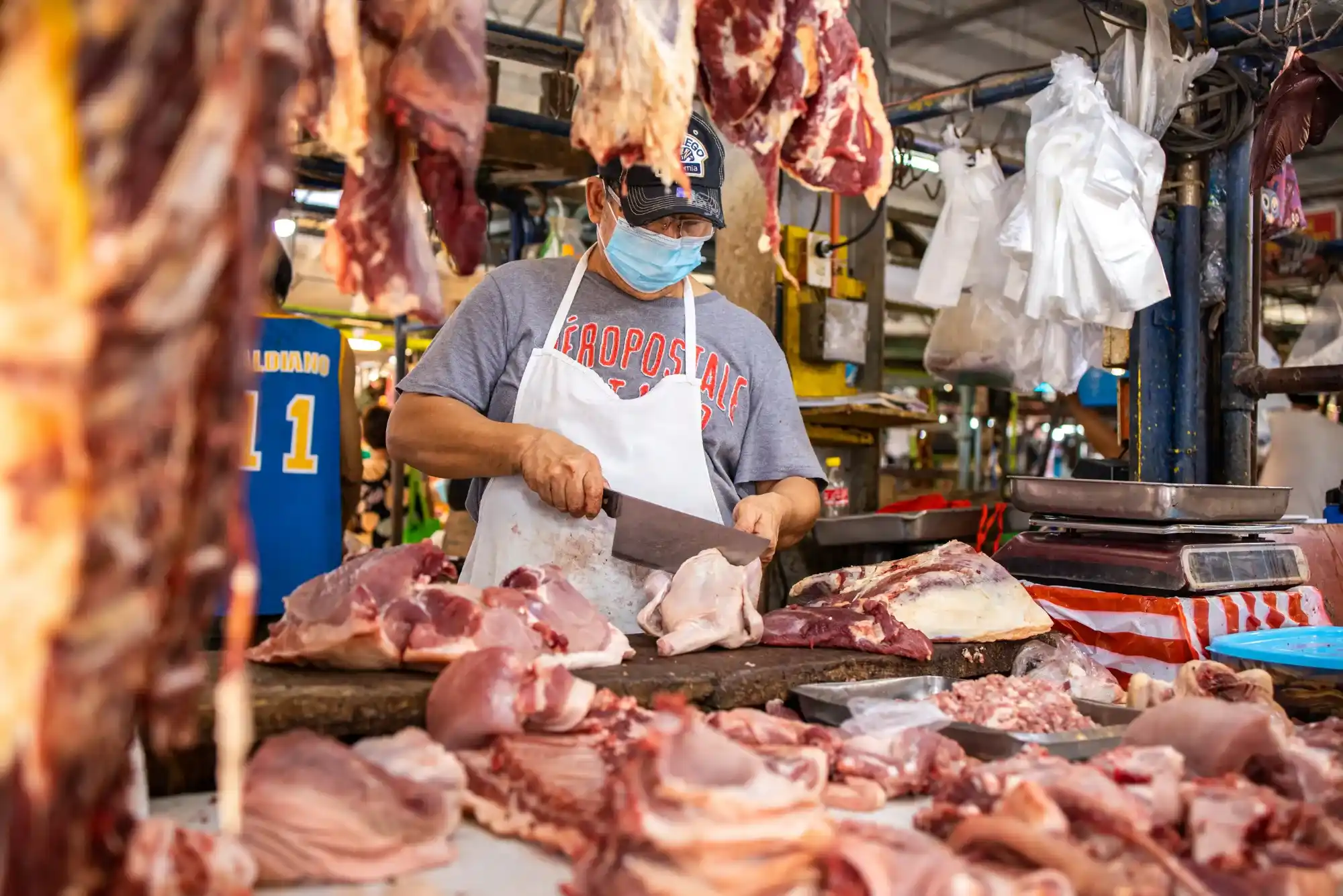
When it comes to bringing fresh, flavorful, and healthy meat to your table, choosing the right source is essential. Many people underestimate the difference a quality Meat Shop or trusted Butcher Shop can make in taste, nutrition, and overall dining experience. However, with so many options available, it can be overwhelming to know where to start. This guide will walk you through everything you need to know, based on real-life experience and professional insight into the meat industry.
While both places sell meat, there’s often a subtle difference in how they operate. A meat shop typically focuses on retail sales of fresh, pre-cut meat, offering convenience for busy shoppers. On the other hand, a butcher shop often provides a more personalized experience, cutting meat to your specifications and sometimes sourcing from specific farms or regions. Knowing this distinction helps you decide which option fits your lifestyle and preferences.
Not all meat is created equal. The flavor, tenderness, and nutritional value depend heavily on the quality of the source. High-quality meat often comes from animals raised in healthy, ethical environments, fed proper diets, and handled with care. Poor-quality meat, on the other hand, can be tough, bland, and even unsafe if sourced from unreliable suppliers.
When visiting a shop, pay attention to color, smell, and texture. Fresh beef should have a rich red hue, poultry should be pale pink without any gray tones, and fish should have a clean, ocean-like smell. These small details make a significant difference in your final dish.
One of the biggest advantages of a butcher shop is the personal connection you can develop with your butcher. Over time, they learn your preferences—whether you like thick ribeye steaks, lean cuts for stir-fries, or special marinated blends. This relationship allows you to get custom recommendations and even access exclusive cuts not available to the general public.
A trusted butcher can also guide you on cooking methods, ideal seasoning, and storage tips, ensuring you get the most value out of your purchase. This is something that’s hard to replicate in a supermarket setting.
Before committing to a regular meat shop or butcher shop, consider the following factors:
Fresh meat should be sold within a short period after slaughter, especially for poultry and seafood. Many local butchers source daily from farms, ensuring higher freshness than mass retailers.
Ask where the meat comes from. Shops that prioritize locally sourced or free-range products tend to have better quality control and support sustainable farming practices.
A clean and well-maintained environment speaks volumes about how the business handles its products. Look for staff wearing gloves, sanitized cutting boards, and well-maintained refrigeration.
Some customers prefer exotic cuts, game meat, or specialty sausages. Others want basic cuts for everyday cooking. Choose a supplier that aligns with your needs.
Friendly, knowledgeable staff are more likely to offer guidance and help you select the right meat for your recipe. Good service builds trust over time.
While it can be tempting to choose the cheapest option, remember that quality often comes at a price. Cheap meat may come from poorly raised animals, processed with additives or excessive water content. However, this doesn’t mean you need to overspend. Building a good relationship with your supplier can often lead to discounts or access to high-quality cuts at better prices.
Once you’ve found your ideal supplier, proper storage is key to preserving quality. Always refrigerate fresh meat within two hours of purchase. For longer storage, freeze in airtight packaging to prevent freezer burn. Label and date your packages so you know exactly when they were stored. Remember that different meats have different storage lifespans—fresh chicken lasts up to two days in the fridge, while beef can last up to five days under optimal conditions.
Many modern meat shops have expanded their offerings beyond raw cuts. You might find ready-to-cook marinated meats, deli products, sausages, and even gourmet condiments. These specialty products can save time while still delivering quality and flavor. If you’re short on time but still want a home-cooked feel, these options are worth exploring.
Choosing a local butcher shop or community-based meat shop often supports local farmers and helps keep money within your community. Local suppliers usually have better traceability, meaning you can know exactly where your meat came from. This transparency builds trust and often ensures you’re eating healthier, fresher products.
After visiting a shop for the first time, ask yourself: Was the meat fresh and flavorful? Was the staff helpful? Did the environment feel clean and welcoming? A great supplier makes you feel confident in every purchase. Over time, the consistency of quality will determine whether you keep going back.
Choosing the right source for your meat is about more than convenience—it’s about ensuring every meal you cook is as delicious and healthy as possible. Whether you prefer the efficiency of a Meat Shop or the personal touch of a Butcher Shop, the key is to prioritize freshness, quality, and trust. By following these guidelines, you’ll enjoy better meals, support ethical sourcing, and build relationships with professionals who care about what ends up on your plate.
Reach our Editorial ("Write For Us") and Partnerships ("Advertise With Us") desks directly.

Most people don’t fail diets. Diets fail people. Scroll through social media and you’ll find hundreds of “proven” diet…

Providing essential vitamins, minerals, and fiber, fruits have been a primary food source since the beginning of mankind. Human…

Dubai, a city known for its incredible growth, innovation, and luxury, continues to evolve and thrive as a global…