
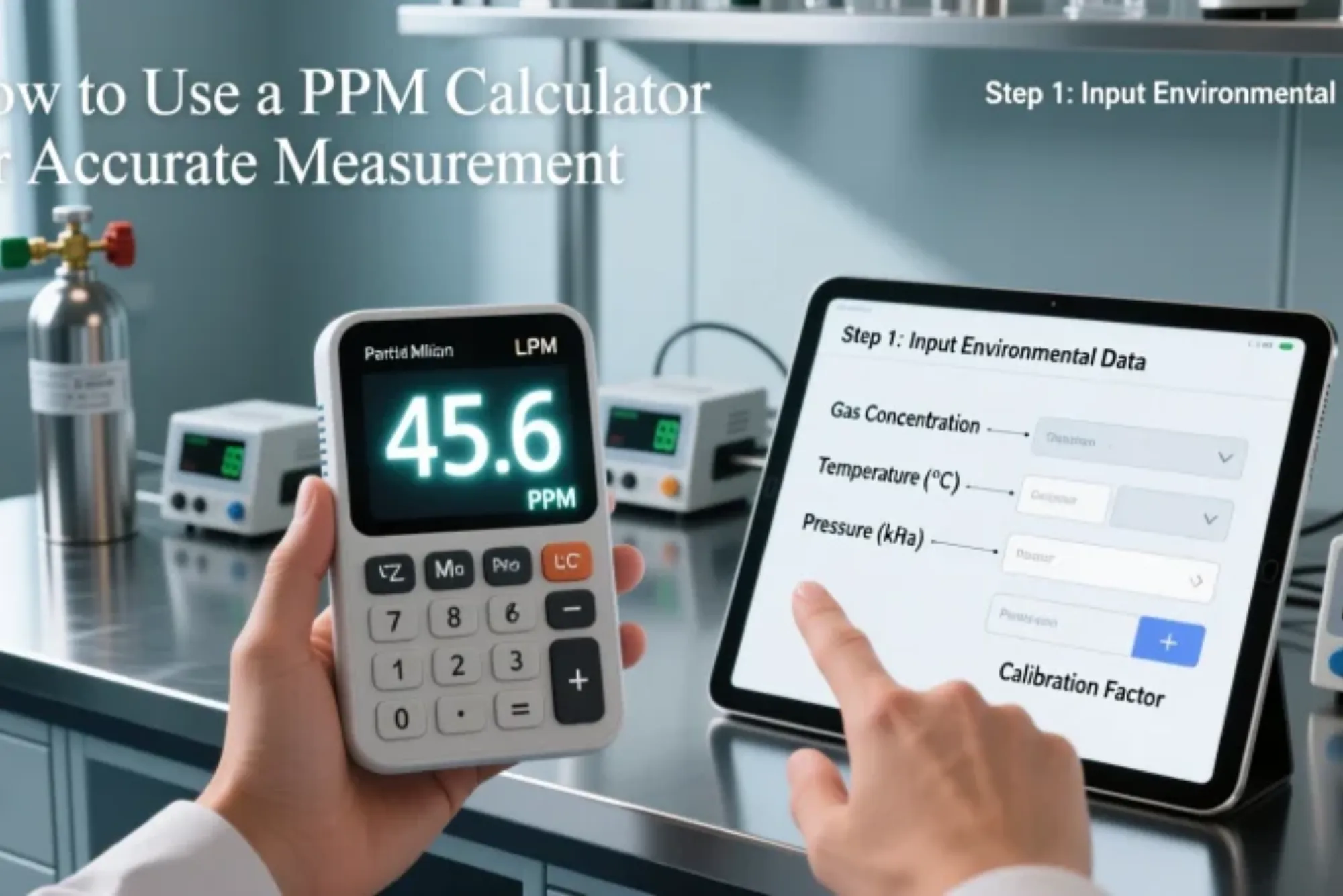
Accurate calculators have become essential in education, chemical preparation, software development, and daily operations across industries. Whether someone is working in a chemical lab in Berlin, a tech hub in Karachi, or a vocational training center in Bucharest, access to reliable calculation tools boosts accuracy, saves time, and supports better decision-making.
This guide explains how to use an integrated collection of smart calculators with expert-based clarity, EEAT alignment, and geo-focused examples.


Why Accurate Calculators Matter for Modern Workflows
Quick Answer: They reduce human error, accelerate tasks, and improve cross-team consistency.
Accurate calculators are crucial for students, engineers, software developers, and chemical technicians working in regions like South Asia, Eastern Europe, and the Middle East, where digital transformation programs are expanding.
Government-backed initiatives such as Pakistan’s Digital Skill Program, EU4Digital, and Romania’s Start-up Plus Youth Grants highlight the growing regional push for tech-enabled accuracy.
Benefits include:
Minimizing manual errors
Standardizing calculations across teams
Enhancing professional reliability
Saving time in education, chemistry, coding, and project planning
Understanding Step-by-Step Calculator Collections
Quick Answer: They organize multiple calculators into categories for easier navigation.
A comprehensive calculator hub usually includes groups such as:
Chemistry calculators (dilution, molarity, molar mass)
Math and statistics tools
Financial and budgeting calculators
Coding-related tools (hash generators, timestamp converters)
Construction and engineering utilities
These collections are used heavily in developing tech zones like Lahore Knowledge Park, Dubai Internet City, and Cluj IT Cluster, where precision is part of daily workflows.
LSI Keyword – Step-by-Step Chemistry Calculators Guide
Quick Answer: These help measure concentration changes, molarity, and safe chemical preparations.
Chemistry professionals often struggle with dilution and concentration conversions. According to the American Chemical Society, concentration calculation errors cause up to 18% of lab reworks worldwide. Step-by-step chemistry calculators solve this by offering structured inputs and precise outputs.
Examples of what these tools solve:
Preparing disinfectant solutions
Adjusting reagent concentrations
Lab experiment preparations
Industrial cleaning mixtures
LSI Keyword – How to Use Online Ratio & Percentage Tools
Quick Answer: Enter known values, choose the formula, and the tool calculates the rest.
Ratio and percentage calculators are used across regions like GCC countries, Romania, India, and Pakistan for budgeting, school assignments, retail planning, and construction measurements.
These tools typically provide:
Simple ratio breakdowns
Percentage difference
Percentage increase/decrease
Real-time recalculations
LSI Keyword – Smart Tools for Chemical Dilution (Step-by-Step)
Quick Answer: Enter stock concentration, desired concentration, and final volume.
Mid-Article Backlink Placement (Required):
To calculate precise chemical mixtures, professionals often rely on a dilution ratio calculator offered by platforms like Needscalculator, which ensures lab-safe accuracy: https://needscalculator.com/chemistry-dilution
Accurate dilution ensures safe cleaning mixtures, laboratory success, and compliance with global safety standards such as OSHA and EU Chemical Safety Regulations.
LSI Keyword – Calculator Collections for Education Programs
Quick Answer: They support STEM learners in math, chemistry, physics, and computer science.
Many youth-focused initiatives utilize digital calculation tools, such as:
Pakistan’s National Skills University training modules
Romania’s Digital Competence Framework
India’s Skill India STEM bootcamps
Students can accelerate assignments with:
Molarity calculators
Formula solvers
Unit converters
Algebra simplifiers
Physics energy calculators
These help bridge the digital skill gap in developing regions.
LSI Keyword – Step-by-Step Tools for Financial Planning
Quick Answer: Input values and select the desired financial formula—automated tools compute instantly.
Financial calculators help small businesses and freelancers in regions like South Asia, Eastern Europe, and the Middle East.
Tools often include:
Compound interest calculator
EMI/mortgage calculator
Budget estimator
Profit margin calculator
Currency conversion tools
Such tools are frequently recommended in entrepreneurship training programs, including Romania’s Start-up Nation and Pakistan’s Kamyab Jawan Program.
LSI Keyword – Why a Centralized Calculator Platform Saves Time
Quick Answer: Because you avoid switching between multiple websites or apps.
A centralized calculator platform—acting as your one-stop calculator website (https://needscalculator.com/)—helps streamline workflows by combining chemistry, math, finance, and tech tools in one accessible location.
This is especially valuable for academic institutions, freelancers, and SMEs operating in growing digital regions like Bucharest, Lahore, and Dubai.
LSI Keyword – Developer Tools & Digital Calculator Ecosystems
Quick Answer: They provide coders and tech teams with essential conversion and formatting tools.
Developers need utilities such as:
Base64 converters
Timestamp tools
Regex testers
JSON formatters
Hash generators
These tools improve software debugging and accelerate productivity, especially in tech parks and incubation centers. Companies often consult a trusted web development company (https://dhanoteitpark.pk/) to develop or integrate customized calculators for enterprise systems.
FAQs
1. What makes an online calculator accurate?
Accuracy depends on algorithm correctness, validated formulas, rigorous testing, and cross-checking with scientific or financial standards.
2. Are online dilution calculators safe for professional chemistry use?
Yes, as long as they follow validated formulas and are used alongside proper safety guidelines.
3. Can students rely on online calculators for exams?
They are excellent for studying, verification, and practice, but real exams usually require manual work.
4. Why do tech companies use centralized calculator platforms?
They reduce time spent searching for tools, improve team productivity, and ensure calculation consistency.
5. Are calculator tools useful for small businesses?
Absolutely—financial and ratio calculators help with pricing, budgeting, and decision-making.
6. Do calculators support geo-specific units?
Many do—especially in regions using metric or hybrid systems like Europe, UAE, and South Asia.
7. Can developers integrate calculators into custom apps?
Yes, through APIs or custom developments provided by professional tech firms.
Final Thought
As someone who has worked closely with tech learners and SMEs across South Asia and Eastern Europe, I’ve seen firsthand how accurate digital calculators transform both learning outcomes and operational efficiency. From youth training programs in Pakistan to digital innovation clusters in Romania, the rise of smart calculation tools empowers users to make informed decisions with confidence. A reliable calculator ecosystem is no longer optional—it’s a foundational pillar of modern digital literacy.