
Introoduction
Living in a studio apartment can feel both exciting and challenging. On one hand, you enjoy a cozy and affordable lifestyle. On the other hand, managing a single open space for sleeping, working, relaxing, and dining requires smart planning. That is why learning How to Maximize Space in a Studio Apartment: Smart Zoning Tips can completely transform your living experience.
A well-designed studio apartment does not need extra square footage to feel comfortable. Instead, it needs smart zoning, efficient furniture placement, and creative storage solutions. When every corner serves a purpose, even a small apartment can feel spacious and organized.
Why Smart Zoning Matters in a Studio Apartment
The biggest challenge in studio living is the lack of separate rooms. Your bedroom, living room, office, and dining area often exist in one open space. Without proper zoning, the apartment can quickly feel cramped and messy.
Smart zoning helps define each area clearly. As a result, your apartment feels more organized and visually larger. It also improves comfort because every activity has its own designated area. When thinking about How to Maximize Space in a Studio Apartment: Smart Zoning Tips, the goal is not only to save space but also to create balance. A properly zoned studio feels like a small one-bedroom apartment rather than a single crowded room.
Start With a Functional Layout
Before buying furniture or decorations, focus on your apartment layout. A good layout creates better flow and prevents wasted space. Place large furniture items first. Your bed usually takes the most space, so position it carefully. Many people place the bed near a wall or corner to free up walking space. After that, arrange the sofa, desk, and dining table around the bed. Leave enough room to move comfortably between zones.
Avoid pushing every piece of furniture against the walls. Surprisingly, floating furniture slightly away from walls can create a more open and balanced look. When planning How to Maximize Space in a Studio Apartment: Smart Zoning Tips, always prioritize movement and functionality over decoration.


Use Rugs to Define Separate Zones
One of the easiest zoning tricks is using area rugs. Rugs visually separate different sections without building walls. For example, place one rug under the bed to define the sleeping area. Then use another rug under the sofa to create a living room feel.
This technique works especially well in open studio apartments because it creates structure while keeping the space airy. Choose light-colored rugs if your apartment lacks natural light. Soft neutral tones make small spaces appear larger and brighter.
Create Privacy With Room Dividers
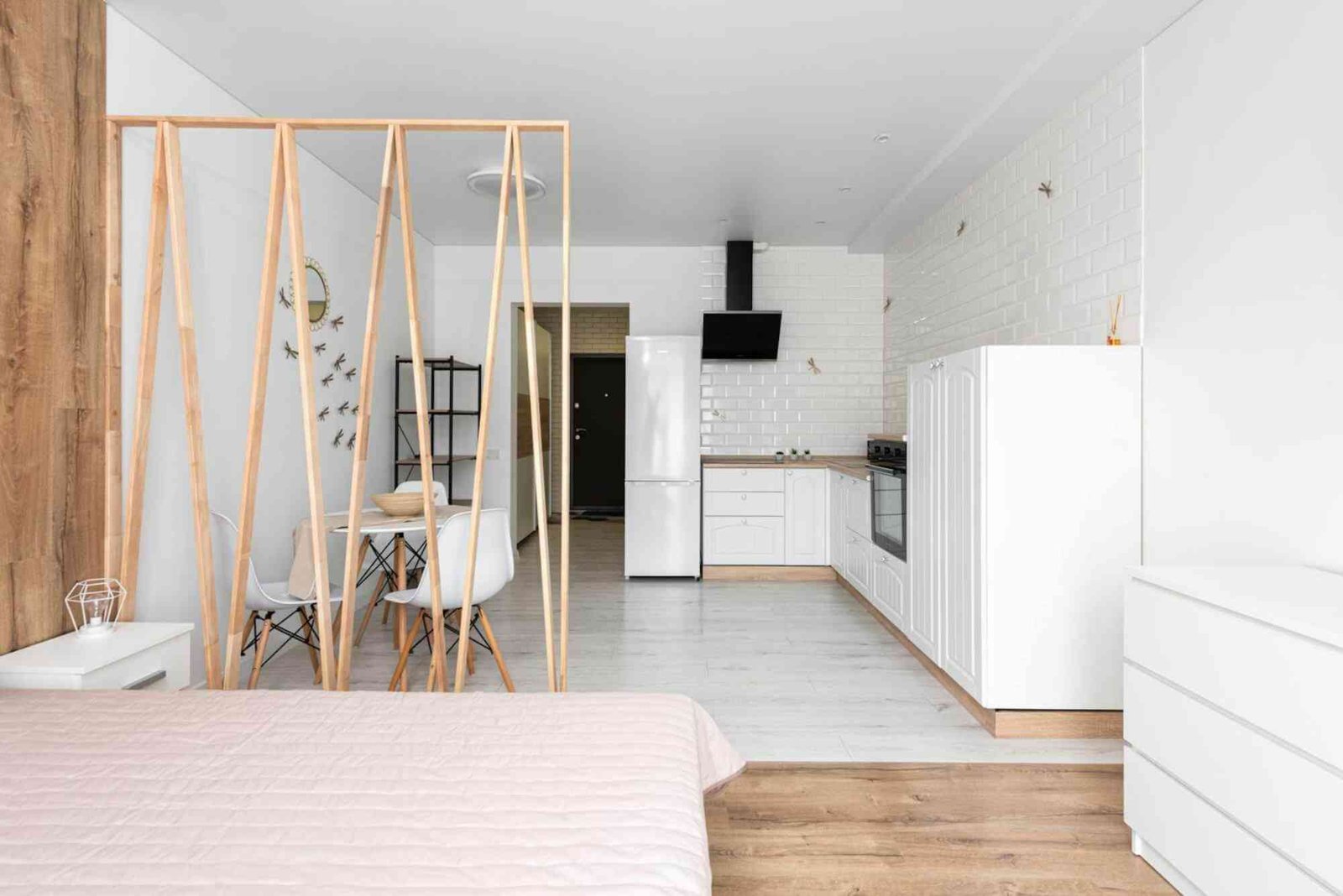
Many studio apartment residents struggle with privacy. Fortunately, room dividers provide an easy solution. Bookshelves are one of the best divider options because they separate spaces while offering storage. Open shelving units allow light to pass through, preventing the apartment from feeling closed off. Curtains also work well for creating a flexible sleeping area. You can open them during the day and close them at night for privacy.
Folding screens, wooden slats, and glass partitions are also excellent choices when applying How to Maximize Space in a Studio Apartment: Smart Zoning Tips. The key is choosing dividers that do not block too much natural light.
Invest in Multifunctional Furniture
Multifunctional furniture is essential for studio living. Every piece should serve more than one purpose whenever possible. A sofa bed can transform your living room into a guest room. A storage ottoman provides seating while hiding blankets or books. Foldable dining tables save space when not in use. Murphy beds are another excellent option. They fold into the wall during the day, creating more floor space.
Furniture with hidden storage helps reduce clutter dramatically. This is one of the smartest strategies for anyone researching How to Maximize Space in a Studio Apartment: Smart Zoning Tips. Instead of filling the apartment with multiple bulky items, choose versatile pieces that maximize functionality.
Take Advantage of Vertical Space
Most people focus only on floor space, but vertical storage is equally important.
Tall shelves, hanging organizers, and wall-mounted cabinets create extra storage without making the apartment feel crowded. Install floating shelves above desks, beds, or sofas. These shelves can hold books, plants, or decorative items while freeing valuable surface space.
Hooks and pegboards also help organize bags, jackets, and kitchen tools efficiently. In small apartments, unused wall space is a missed opportunity. Smart vertical storage instantly improves organization and creates a cleaner appearance.
Use Light Colors and Mirrors
Color psychology plays a major role in how spacious an apartment feels. Light shades like white, cream, beige, and soft gray reflect natural light and create an open atmosphere. Dark colors can sometimes make small spaces feel enclosed. Mirrors are another powerful design tool. A large mirror placed opposite a window reflects light and visually doubles the space.
Glossy surfaces and glass furniture also help maintain an airy appearance. If you truly want to master How to Maximize Space in a Studio Apartment: Smart Zoning Tips, remember that visual openness matters just as much as physical organization.
Keep Clutter Under Control
No zoning strategy works well in a cluttered apartment. Small spaces become overwhelming quickly when unnecessary items pile up. Adopt a minimalist mindset and keep only items you regularly use. Use baskets, bins, and hidden storage compartments to organize daily essentials.
Make decluttering a monthly habit. Even a well-designed studio apartment loses functionality when overloaded with belongings. Small apartments require intentional living. Every item should have a clear purpose and storage location.
Design a Dedicated Work Area
Remote work has made home office spaces more important than ever. Even in a studio apartment, creating a dedicated workspace improves productivity. A small desk near a window works well in most layouts. If space is limited, consider a wall-mounted foldable desk. Separate your work area visually from your sleeping zone whenever possible. This helps maintain work-life balance and improves focus.
Adding a desk lamp, ergonomic chair, and small organizer can make even a tiny workspace feel professional. When discussing How to Maximize Space in a Studio Apartment: Smart Zoning Tips, functional workspaces are now a necessity rather than a luxury.
Maximize Kitchen and Dining Areas
Studio apartment kitchens are usually compact, so efficiency is critical. Use magnetic strips for knives and wall racks for pans. Stackable containers help organize cabinets and reduce wasted space.
A bar cart or rolling island adds extra counter space and storage while remaining movable. For dining, consider a drop-leaf table or compact round table. These options save space while still providing functionality. Smart kitchen organization improves both appearance and convenience in a small apartment.
Use Lighting to Separate Zones
Lighting can subtly define different areas within a studio apartment. Use warm lighting near the bed for relaxation. Brighter task lighting works best in office or kitchen zones. Floor lamps, pendant lights, and table lamps create visual boundaries without physical dividers.
Layered lighting also makes the apartment feel more inviting and sophisticated. This often-overlooked strategy is highly effective when implementing How to Maximize Space in a Studio Apartment: Smart Zoning Tips.
Add Personality Without Overcrowding
A small apartment should still feel personal and welcoming. However, avoid excessive decorations that create visual clutter. Choose a few meaningful art pieces instead of filling every wall. Add texture through cushions, throws, or plants.
Indoor plants bring freshness and life into small spaces. Hanging plants work especially well because they save floor space. Decorating thoughtfully helps your studio apartment feel stylish while maintaining functionality.
Common Mistakes to Avoid in Studio Apartments
Many people accidentally make small apartments feel smaller. One common mistake is buying oversized furniture. Large sectionals or bulky beds consume valuable space. Another mistake is ignoring storage planning. Without proper organization, clutter spreads quickly. Poor lighting also makes studio apartments feel cramped. Always maximize natural light whenever possible.
Discover trusted local businesses, lifestyle tips, travel guides, and the latest updates across the UAE with Finders.ae. From restaurants and shopping spots to professional services and entertainment, the platform helps users explore useful information in one place. Visit Finders.ae to stay connected with trending businesses and valuable insights online.
FAQs
How do you divide space in a studio apartment?
You can divide space using rugs, bookshelves, curtains, furniture placement, or lighting. These methods create separate zones without building walls.
What furniture works best in a studio apartment?
Multifunctional furniture works best. Sofa beds, storage ottomans, foldable tables, and Murphy beds help maximize space efficiently.
How can I make my studio apartment look bigger?
Use light colors, mirrors, vertical storage, and minimal clutter. Proper lighting also helps create a more open atmosphere.
Where should the bed go in a studio apartment?
Place the bed near a corner or wall to free up walking space. Many people also use dividers for added privacy.
How do I organize a small studio apartment?
Use hidden storage, floating shelves, storage bins, and multifunctional furniture. Regular decluttering also keeps the apartment organized.
Conclusion
Learning How to Maximize Space in a Studio Apartment: Smart Zoning Tips can completely change how your home feels and functions. A small apartment does not have to feel restrictive or cluttered. With smart zoning, creative storage, and thoughtful furniture choices, you can create a comfortable and stylish living environment.