Introduction
Apartment living comes with many advantages, but noise is often a major problem. Loud neighbors, traffic sounds, barking dogs, and hallway conversations can easily disturb your peace. That is why many renters and homeowners search for effective ways to reduce unwanted sound indoors. If you are wondering how to soundproof a room in an apartment: walls and doors guide, this article will help you understand the best practical methods.
Soundproofing does not always require expensive remodeling. In fact, small upgrades can make a noticeable difference. By focusing on walls and doors, you can reduce outside noise and improve privacy inside your apartment. Moreover, these solutions can help create a more relaxing environment for working, sleeping, or studying.
Why Apartment Rooms Are So Noisy
Apartments usually share walls, ceilings, and floors with neighboring units. Because of this structure, sound travels easily through thin surfaces and gaps. Even modern apartments may not include proper sound insulation.
There are two main types of noise in apartments. The first is airborne noise, such as voices, music, or television sounds. The second is impact noise, including footsteps, furniture movement, or slamming doors. Understanding the source of the noise helps you choose the right soundproofing solution. Walls and doors are common weak points because they often contain hollow spaces. Furthermore, small cracks around frames and outlets allow sound waves to pass through easily. Therefore, improving these areas can significantly reduce unwanted noise.
How to Soundproof Apartment Walls Effectively
When learning how to soundproof a room in an apartment: walls and doors guide, walls should be your first priority. Since shared walls connect directly to neighboring apartments, they transfer sound quickly.
Use Acoustic Panels for Better Sound Absorption
Acoustic panels are one of the easiest solutions for apartment soundproofing. These panels absorb sound waves instead of letting them bounce around the room. As a result, they reduce echo and soften noise coming through walls.


Fabric-covered acoustic panels work especially well in bedrooms, offices, and entertainment rooms. Additionally, they are lightweight and renter-friendly. You can install them using removable adhesive strips instead of permanent screws. For better performance, place panels on the wall where the noise is strongest. Covering larger surface areas usually improves sound reduction.
Install Mass Loaded Vinyl on Shared Walls
Mass loaded vinyl, also called MLV, is a dense soundproofing material that blocks airborne noise. Unlike foam panels, MLV adds mass to walls, making it harder for sound vibrations to pass through.
This material is highly effective for reducing television sounds, conversations, and music from neighboring units. Many apartment residents install it behind decorative wall coverings or temporary panels. Although MLV is more expensive than foam products, it provides stronger sound blocking performance. Therefore, it is often recommended for serious noise problems.
Add Bookshelves and Soft Furniture
One of the simplest ways to improve wall soundproofing is by rearranging furniture. Large bookshelves filled with books create an extra sound barrier along shared walls.
Soft furniture also helps absorb sound energy. Thick curtains, rugs, couches, and fabric wall hangings reduce echo and make rooms feel quieter. While these solutions will not completely block noise, they can noticeably improve comfort. Additionally, this approach works well for renters because it does not require permanent construction changes.
Seal Cracks and Gaps Around Walls
Even tiny openings can allow noise to travel between apartments. Therefore, sealing cracks is an important step in any apartment soundproofing project.
Use acoustic caulk around wall edges, electrical outlets, and baseboards. Unlike standard caulk, acoustic sealant stays flexible and reduces sound leakage over time. Many people overlook this step, yet sealing gaps often improves results when combined with other soundproofing methods.
How to Soundproof Apartment Doors
Doors are another major source of unwanted noise. Hollow-core apartment doors provide very little sound insulation because they are lightweight and thin.
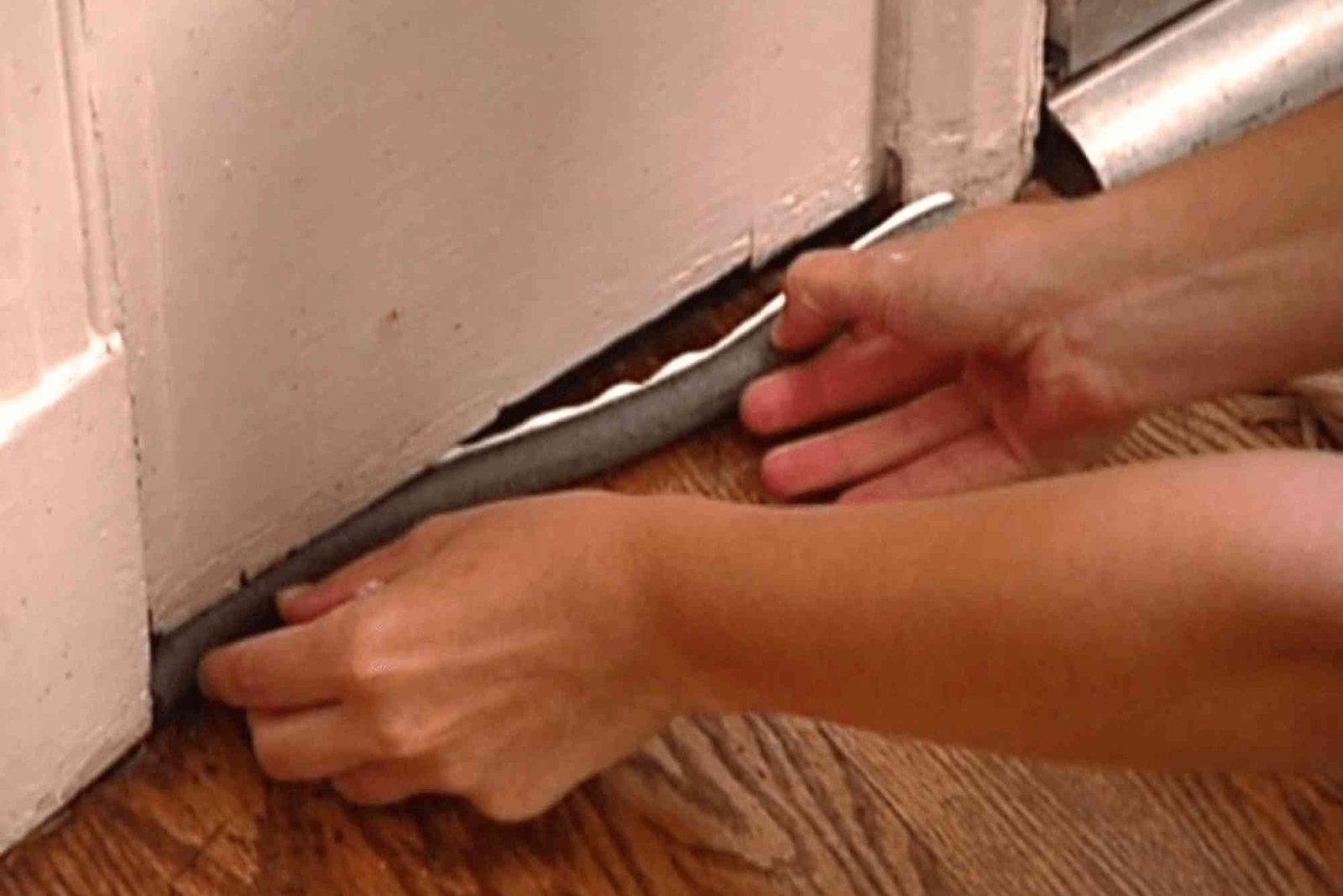
Install Weatherstripping Around the Door Frame
Small gaps around door edges allow sound to enter easily. Weatherstripping helps seal these openings while also improving energy efficiency.
Foam or rubber weatherstrips are inexpensive and easy to install. Once attached around the frame, they reduce sound leakage significantly. This method works especially well for blocking hallway noise in apartments.
Use a Door Sweep to Block Noise
The space under a door is one of the largest sound leaks in most apartments. A door sweep seals the bottom gap and prevents sound from traveling underneath. Automatic door sweeps offer the best performance because they lower tightly against the floor when the door closes. However, simple adhesive sweeps can still improve sound insulation noticeably.
Combining weatherstripping with a door sweep creates a more complete sound barrier.
Upgrade to a Solid Core Door
If your apartment allows modifications, replacing a hollow-core door with a solid-core door can dramatically reduce noise.
Solid doors contain denser materials that block sound vibrations more effectively. As a result, they provide better privacy and improve overall room quietness. Although this solution costs more, it delivers long-term soundproofing benefits. Many people notice immediate improvement after upgrading their doors.
Hang Thick Soundproof Curtains Over Doors
Soundproof curtains are another practical option for apartment residents. These curtains use dense fabrics designed to absorb and block sound waves.
Hanging them over doors creates an additional sound barrier without permanent installation. Moreover, they can improve room insulation and reduce outside light. For better performance, choose floor-length curtains with multiple fabric layers.
Best Materials for Apartment Soundproofing
When exploring how to soundproof a room in an apartment: walls and doors guide, choosing the right materials is extremely important. Acoustic foam works best for reducing echo inside rooms. However, it does not completely block external noise. Mass loaded vinyl provides stronger sound blocking because of its density. Meanwhile, fiberglass insulation is effective during renovation projects.
Soft furnishings also play a valuable role. Thick rugs, upholstered furniture, and heavy curtains absorb sound naturally. Combining multiple materials often produces the best results. It is also important to understand that no material can create perfect silence in a typical apartment. Instead, soundproofing focuses on reducing noise to more comfortable levels.
Affordable Soundproofing Ideas for Renters
Many apartment residents worry about damaging walls or violating lease agreements. Fortunately, renter-friendly soundproofing solutions are widely available. Freestanding acoustic panels can reduce noise without drilling holes. Temporary adhesive strips allow easy removal later. Area rugs and padded underlays help reduce sound transfer through floors.
Draft blockers and removable weatherstripping improve door insulation without permanent modifications. Additionally, furniture placement can act as a natural sound barrier. Renters should always review lease terms before making major changes. However, most temporary soundproofing methods are safe and landlord-friendly.
Common Mistakes to Avoid When Soundproofing
One common mistake is confusing sound absorption with sound blocking. Foam panels reduce echo, but they do not fully stop external noise. Therefore, combining absorption and blocking materials is essential. Another mistake is ignoring gaps around doors and walls. Even expensive soundproofing materials perform poorly if sound leaks through small openings.
Some people also expect complete silence after basic upgrades. In reality, apartment soundproofing reduces noise rather than eliminating it entirely. Finally, avoid using thin decorative materials that offer little acoustic value. Proper soundproofing requires dense or specially designed materials.
Benefits of Soundproofing an Apartment Room
Finding trusted local businesses and services online has become easier with reliable directories that connect users with the right solutions. Whether you are searching for restaurants, real estate, shopping, or professional services, platforms like Finders UAE help people discover top-rated companies quickly. Explore the latest business listings and useful recommendations by visiting the best UAE business directory.
Remote workers benefit from fewer distractions during meetings and tasks. Students can study more effectively in peaceful environments. Families also enjoy better privacy between rooms. Additionally, soundproofing can improve relationships with neighbors because reduced noise travels both ways. Many apartment residents discover that even small improvements make daily life much more relaxing.
FAQ Section
Can you soundproof apartment walls without construction?
Yes, you can reduce noise without major construction. Acoustic panels, bookshelves, curtains, and furniture placement all help minimize sound transfer.
What is the cheapest way to soundproof a room in an apartment?
The most affordable methods include sealing gaps, using rugs, hanging thick curtains, and adding weatherstripping around doors.
Do acoustic foam panels block neighbor noise?
Acoustic foam mainly absorbs echo inside the room. It helps slightly with outside noise but works best when combined with denser materials.
How do I stop hallway noise from entering my apartment?
Install weatherstripping around the door frame and use a door sweep to seal the bottom gap. Thick curtains can also help reduce hallway sounds.
Are soundproof curtains effective in apartments?
Yes, soundproof curtains reduce echo and soften outside noise. They work best when combined with other soundproofing methods.
Can renters soundproof a room legally?
Most renter-friendly soundproofing options are legal because they are temporary and removable. Always check lease agreements before making permanent changes.
Conclusion
Understanding how to soundproof a room in an apartment: walls and doors guide can transform your living space into a quieter and more comfortable environment. While apartments naturally allow some noise transfer, practical solutions can significantly reduce disturbances.
Creating a quieter living space starts with the right flooring materials. Using high-quality underlay and thick carpets can reduce noise transfer between apartments and improve comfort. These solutions help absorb footsteps, block impact sounds, and create a more peaceful environment. For more practical tips, explore our guide on How to Soundproof a Floor in an Apartment: Underlay and Carpet Solutions.