

Latest
7 min read
Vaping Trends in Dubai: Understanding Devices, Pods and Adult Use
The world of electronic nicotine products has changed significantly over the past decade. What began with relatively simple electronic…
A well-designed home should reflect the people who live in it. Beyond choosing furniture, colours and finishes, successful residential design considers daily routines, personal preferences, family requirements and the way each space is used. Two properties with similar layouts can feel entirely different when their interiors are planned around the needs of their occupants.
In Dubai, residential properties vary widely, from contemporary city apartments to spacious family villas. This makes an individual approach particularly important. Rather than applying a standard style across every project, interior companies in dubai consider how residents want to live, helping translate their habits, priorities and preferences into practical and considered interior spaces.
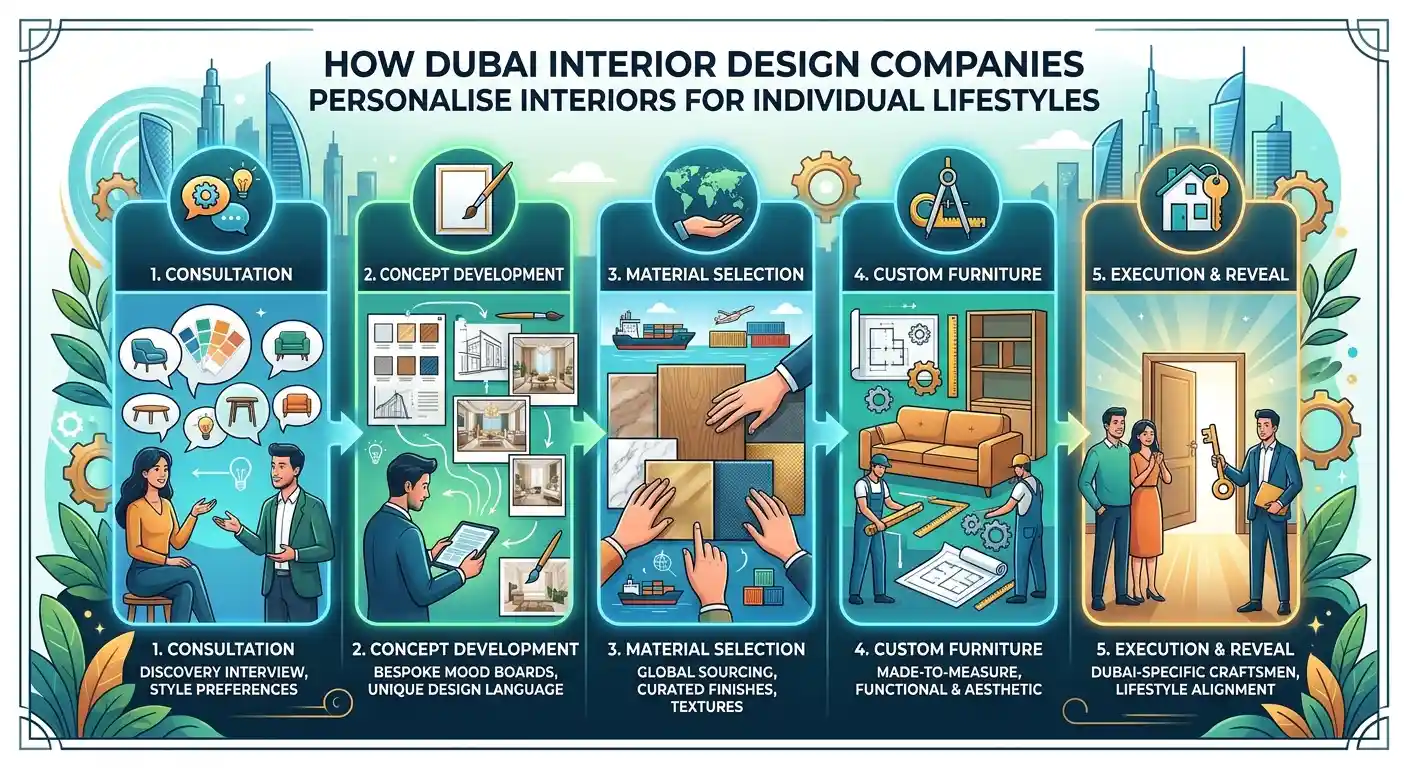
Personalised interior design begins with understanding the people who will use the space. Before selecting materials or developing a visual concept, designers need to establish how occupants spend their time, what they value and which aspects of their home need improvement.
For some homeowners, entertaining is a central part of domestic life. They may need generous dining areas, comfortable guest seating and an open connection between the kitchen and living room. Others may prioritise quiet spaces, dedicated work areas or flexible rooms that accommodate changing family needs.
The initial consultation can explore several important areas:
These discussions help establish a design direction based on actual requirements rather than assumptions about what a particular type of property should look like.
The layout of a home has a direct influence on how comfortable and functional it feels. Personalisation often involves adjusting the relationship between rooms, improving circulation and creating areas for specific activities.
In an open-plan apartment, for example, a homeowner may want the kitchen, dining and living areas to feel connected while retaining a degree of separation. Furniture placement, lighting and material changes can help define each zone without introducing unnecessary walls.
A family villa may require a different approach. Separate areas for entertaining, family activities and relaxation can provide flexibility throughout the day. A ground-floor guest bedroom or private sitting room may also be important where relatives and visitors stay regularly.
Work-from-home requirements have introduced further considerations. A dedicated study may suit someone who spends most of the day working remotely, while another household may benefit from a compact workspace integrated into a spare bedroom.
The design should also consider how residents move between spaces. Clear circulation routes, accessible storage and appropriately positioned furniture can make everyday activities easier.
Materials and furnishings give a home much of its visual character. Personalisation involves selecting combinations that reflect the homeowner’s preferences while remaining appropriate for the property’s architecture and intended use.
Some residents may prefer understated interiors with natural stone, timber and neutral colours. Others may be drawn to stronger contrasts, expressive artwork, decorative lighting or distinctive furniture.
A designer can help translate these preferences into a cohesive scheme by considering:
Colour palettes: The choice of colour should reflect the desired atmosphere of each room. Softer neutrals may suit bedrooms and relaxation areas, while deeper shades can introduce character into dining rooms or private lounges.
Materials and textures: Timber, stone, metal, glass and textiles can be combined to create different levels of warmth and visual interest. Their durability and maintenance requirements should also be considered.
Furniture selection: Furniture should suit the room’s proportions and the way it will be used. A household that regularly entertains may need flexible seating, while a smaller apartment may benefit from multifunctional pieces.
Lighting: A combination of ambient, task and accent lighting allows rooms to adapt to different activities and times of day.
Decorative details: Artwork, rugs, accessories and personal collections can introduce individuality without requiring major architectural changes.
In Dubai, material selection should also respond to the local climate. Strong sunlight, temperature variations and dust can affect finishes, fabrics and furniture over time. Choosing suitable materials helps maintain the intended appearance with practical levels of upkeep.
A home often needs to accommodate several activities that require different levels of privacy. This is particularly relevant in larger Dubai residences, where family members, guests and household staff may use different areas throughout the day.
A considered layout can provide a balance between shared and private spaces. Formal reception rooms may be positioned close to the entrance, allowing visitors to be welcomed without passing through private family areas. Bedrooms and personal lounges can be located further within the property.
For households that entertain frequently, the relationship between the kitchen, dining room and outdoor areas may be especially important. A connected arrangement can support social interaction, while a separate preparation kitchen may help keep the main entertaining space organised.
Family requirements can also influence the design of shared spaces. Children may need dedicated play or study areas, while adults may value quieter rooms for reading, working or relaxing.
Rather than treating these requirements as separate additions, they should be considered as part of the overall layout. This allows the home to support different routines without feeling fragmented.
Technology is increasingly part of modern residential interiors, but its value depends on how well it supports everyday activities. Smart systems can help homeowners manage lighting, temperature, shading, entertainment and security through integrated controls.
For example, automated lighting can provide different settings for working, dining and relaxing. Motorised curtains can respond to daylight conditions, while climate controls can help maintain comfortable indoor temperatures.
The placement of switches, control panels and charging points should be considered during the design process. Integrating these elements into joinery or architectural details can reduce visual clutter.
Technology should not become the main focus of the interior. A well-planned home makes systems easy to use while keeping equipment and wiring discreet wherever possible.
Personal needs can change as households grow, work patterns develop and priorities shift. A home designed around one stage of life may eventually need to accommodate different activities.
Flexible furniture, adaptable lighting and well-planned storage can make interiors easier to adjust. A guest bedroom might also function as a study, while a large family room could include separate areas for reading, entertainment and children’s activities.
Material choices should also consider long-term use. Durable flooring, practical upholstery and accessible storage can help a home remain functional without requiring frequent updates.
The most effective approach is to create a strong design foundation while allowing selected elements to change over time. This avoids making every decision dependent on current trends or temporary requirements.
Personalised interiors are developed through a clear understanding of how residents use their homes, what they value and what they need from each space. The process involves more than selecting attractive finishes. It brings together layout planning, material choices, lighting, furniture and technology to create an environment that supports everyday life.
For homeowners considering a new residential project or renovation, working with an interior design company in Dubai can help translate individual requirements into a coordinated design. The result should be a home that reflects its occupants, responds to its surroundings and remains practical as their lifestyles evolve.
Reach our Editorial ("Write For Us") and Partnerships ("Advertise With Us") desks directly.

The world of electronic nicotine products has changed significantly over the past decade. What began with relatively simple electronic…

IntroductionAbbeyfeale sits proudly in the southwest corner of County Limerick. This vibrant market town offers a unique blend of…

IntroductionThe digital economy across the Gulf Cooperation Council (GCC) is moving quickly. Businesses in the UAE, Saudi Arabia, Qatar,…