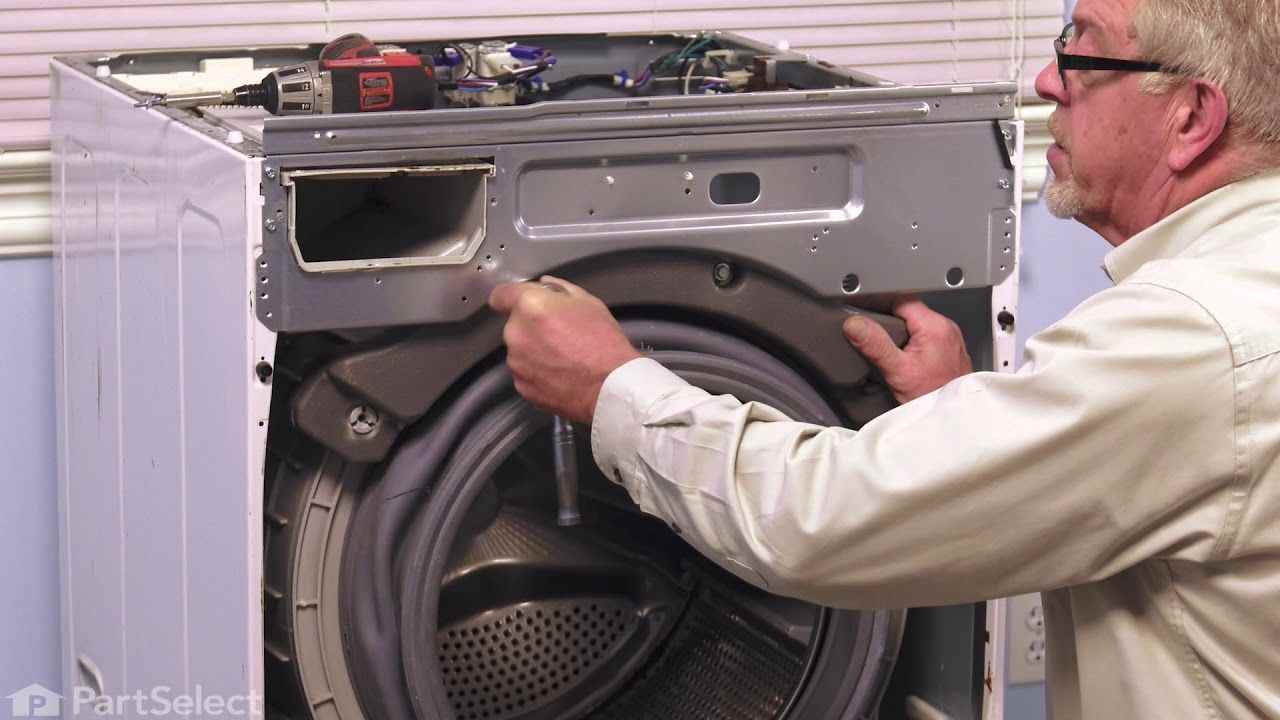
Washing machines are among the most essential home appliances in modern households, but when they stop working properly, daily routines are immediately affected. Quick washing machine fault repair is not just about fixing a machine—it is about restoring convenience, saving time, and avoiding costly replacements.
Many users panic when their washing machine suddenly stops spinning, draining, or turning on. However, most faults are common and can be diagnosed quickly if the right approach is followed. In this guide, we break down the most frequent issues, repair methods, and professional insights to help you understand the entire process clearly.
If you need professional assistance, you can also explore expert services at washing machine repair service offered by experienced technicians.
Understanding Common Washing Machine Faults
Before attempting any repair, it is important to understand what usually goes wrong inside a washing machine. Most faults are linked to mechanical wear, electrical issues, or water supply problems.
- Machine not starting or powering on
- Water not filling or draining properly
- Excessive vibration or noise
- Drum not spinning
- Door lock malfunction
Each of these issues requires a different troubleshooting approach, and identifying the root cause is the first step in quick repair.
Quick Diagnosis Steps Before Repair
Fast fault detection saves both time and money. Instead of immediately assuming major damage, simple checks can often reveal the problem.


- Check power supply and socket connection
- Inspect water inlet and pressure
- Verify door lock mechanism
- Look for error codes on display panel
For technical breakdown of internal systems, professionals often refer to diagnostic methods similar to system diagnostics techniques used in advanced appliance repair.
Water-Related Faults and Fast Fixes
One of the most common washing machine problems is water not entering or draining correctly. This usually occurs due to clogged filters, faulty inlet valves, or drainage blockages.
- Clean inlet valve filters regularly
- Check drain hose for blockages
- Ensure proper water pressure supply
If the machine still does not drain properly, it may require professional inspection such as washing machine drainage repair solutions.
Electrical Issues and Motor Faults
Electrical faults are more serious and often involve wiring, motor failure, or control board issues. These problems usually require expert handling.
Signs include machine not starting, sudden shutdowns, or burning smell during operation. In such cases, it is recommended to avoid DIY repair and seek professional support.
Door Lock and Drum Problems
If your washing machine door does not lock properly, the cycle will not start. This is a safety feature designed to prevent accidents.
- Check door latch alignment
- Inspect locking sensor mechanism
- Test electronic door lock system
Drum-related issues such as imbalance or shaking can also affect performance and should be checked immediately.
Why Washing Machines Develop Faults
Understanding the cause of faults helps prevent future breakdowns. Most issues occur due to improper maintenance or long-term usage without servicing.
Key reasons include:
- Hard water buildup affecting internal parts
- Overloading the machine frequently
- Voltage fluctuations
- Lack of regular cleaning and maintenance
For more insights into appliance maintenance, you can explore home appliance repair services for preventive care options.
Professional Repair vs DIY Fix
Some washing machine issues can be fixed at home, but others require professional expertise. Knowing the difference is important to avoid further damage.
| Problem Type | Solution Type |
|---|---|
| Minor blockage or filter issue | DIY cleaning |
| Door lock malfunction | Basic inspection or replacement |
| Motor or electrical fault | Professional repair required |
For certified technicians, you can visit washing machine technician service.
Preventive Maintenance Tips
Regular maintenance can significantly reduce the chances of sudden breakdowns.
- Clean filter every 2–3 weeks
- Do not overload the drum
- Use recommended detergent
- Schedule periodic servicing
When to Call a Professional
If the machine shows repeated errors, electrical smell, or complete shutdown, it is best to call a technician immediately. Delaying repair can increase damage and repair cost.
Emergency repair services are available through trusted providers such as emergency appliance repair support.
Conclusion
Quick washing machine fault repair is all about identifying the issue early and applying the right solution. While minor problems can be handled at home, complex electrical or mechanical faults should always be handled by professionals. Proper maintenance and timely inspection can extend the life of your appliance significantly.
For reliable services, always choose experienced technicians who understand modern washing machine systems and provide long-term repair solutions.
Frequently Asked Questions
Why is my washing machine not starting?
This usually happens due to power supply issues, faulty door locks, or control board problems.
Can I repair a washing machine at home?
Yes, minor issues like clogged filters or hose blockages can be fixed at home.
What is the most common washing machine fault?
Water drainage issues and drum imbalance are among the most common problems.
How long does washing machine repair take?
Simple repairs take 30–60 minutes, while complex issues may require more time.
When should I call a technician?
If the machine stops working completely or shows electrical faults, professional help is recommended.