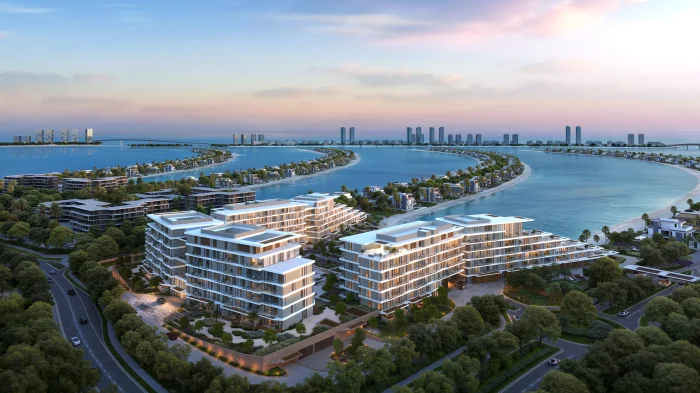
Urban living has always been shaped by how cities are planned and developed, from street layouts to public spaces, infrastructure, and accessibility. As cities grow and evolve, technology plays an increasingly critical role in shaping environments where people work, relax, and connect. Residents today expect more than basic utilities; they look for communities that offer safety, convenience, and sustainability. When exploring different models of modern living, many turn to concepts seen in developments such as https://the-palm-central.com, where integrated planning, mixed-use spaces, and digital infrastructure converge to create cohesive urban experiences. Although each city and community has its unique character, the principles behind successful urban environments tend to be consistent and rooted in human-centred design.At the core of modern urban planning is the idea that spaces should be adaptable and responsive to diverse needs. A well-planned district supports daily routines and long-term aspirations, whether for young professionals, families, or retirees. Planners often balance residential needs with commercial zones, green areas, walkability, and access to public transport. This interconnected approach helps reduce commute times, cuts down pollution, and improves overall quality of life. Technology supports this vision by guiding decisions through data and enabling efficient system management.
Key Elements That Define Modern Community Design
- accessibility: easy access to transport, healthcare, education, and essential services;
- walkability: safe, well-designed pedestrian paths and cycling routes;
- green spaces: parks and natural areas that support health and recreation;
- mixed-use planning: blending residential, commercial, and cultural facilities;
- digital infrastructure: connectivity and smart systems that support community services;
- sustainability: energy-efficient buildings and environmentally sound resource use.